
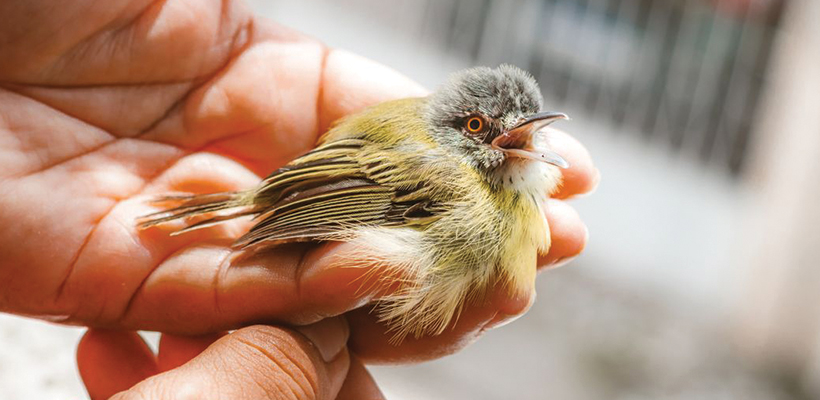
What to Do If You Find an Injured Bird: A Step-by-Step Guide
Did you hear a soft thud against the window? Or spot a small bird huddled on the sidewalk, wings drooping, not flying away as you approach? Your instinct is to help, and that instinct is a good one. But with birds, how you help matters enormously. Birds are fragile, they go into shock easily, and well-meaning but incorrect care, especially the wrong food or water, can do more harm than the original injury.
The good news is that helping an injured bird the right way is simple once you know the steps. This guide walks you through exactly what to do: how to tell whether the bird truly needs help, how to safely contain it, who to call, and, just as importantly, what not to do. At PawBoost, we care about all animals in our communities, and a little knowledge in those first few minutes can be the difference between life and death for a bird in trouble.
First: Is the Bird Actually Injured?
Before you scoop up a bird, take a moment to assess from a safe distance, because a surprising number of “injured” birds don’t need rescuing at all, and intervening can actually do more harm than good. Sometimes the best help is simply leaving the bird alone.
Physical Signs of Injury in Birds
Physical injuries are usually the clearest sign a bird needs help right away. Watch for:
- Bleeding or visible wounds. Any bleeding is a serious red flag and means the bird needs professional help quickly. Don’t dismiss even small puncture wounds, especially from a cat, as minor; they can be deadly.
- A drooping or misshapen wing. One wing hanging lower than the other, feathers sticking out at odd angles, or a wing held awkwardly against the body often signals a fracture. An injured wing usually stops a bird flying, so a bird that tries to take off but can’t gain height, or looks off-balance when hopping, may have wing damage.
- Inability to stand, fly, or balance. A bird that can’t stay upright, falls over repeatedly, circles in one direction, or lies unconscious may have a fracture, head trauma, or a spinal injury, all of which need urgent care.
- Broken or unnaturally angled limbs, or dried blood on the feathers.
Behavioral Signs of Distress in Birds
Sometimes there’s no obvious wound, but the bird’s behavior tells you something is wrong. Healthy birds are alert and react to their surroundings, so be concerned if you see:
- Lethargy or a “lifeless” look. A bird that seems exhausted, droopy, or unresponsive, with eyes closed or half-closed to a slit, is likely in trouble.
- Fluffed-up feathers. A bird puffing up and sitting very still is often trying to conserve heat because it’s too weak to regulate its own temperature.
- Feeling cold, or showing signs of dehydration.
- Not fleeing when you approach. This is one of the most telling signs. Healthy adult birds have a strong flight response and bolt from threats. If you can walk right up to an adult bird, or even pick it up, without it flying off, it’s almost certainly too weak, hurt, or disoriented to protect itself and needs a rehabilitator.
If you notice a window collision that doesn’t resolve within an hour or two, or the bird was caught by a cat or dog, treat those as injuries too, and follow the steps below.
When a Bird Does Not Need Rescue
Here’s where it gets tricky: not every bird on the ground is in trouble, and well-meaning “rescues” can accidentally do harm. There are two classic false alarms worth knowing.
Baby birds: fledgling vs. nestling
Many young birds brought to rehabbers never needed help at all, so learn to tell the two apart.
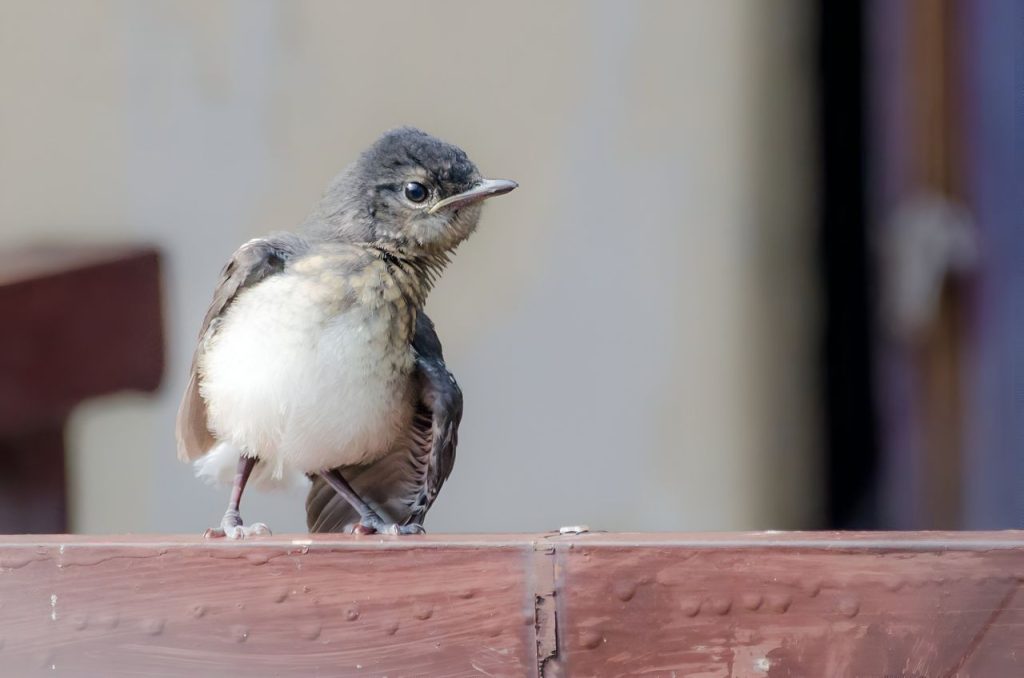
A fledgling is largely feathered, with short wings and tail, and can hop, perch, or walk. Birds at this stage are learning to fly and may spend up to a couple of weeks on the ground while their parents keep feeding them, this is normal, and unless it’s injured or in immediate danger, the best thing you can do is leave it alone (keeping cats and dogs away).
A nestling is much younger: small, mostly bare or with a few wisps of down, and unable to do more than drag itself along the ground. A nestling on the ground does need help; if you can find the nest and reach it safely, gently place it back. Contrary to popular myth, the parents won’t reject it because you touched it, birds have a poor sense of smell. If you can’t return it, call a rehabilitator. The Audubon Society offers detailed guidance on when a baby bird does and doesn’t need rescuing.
The “bird pretending to be injured” trick
Here’s a fascinating twist that fools many people. Some ground-nesting birds, most famously the killdeer (a type of plover), perform a broken-wing display: the parent drags a wing along the ground, flops about, and calls loudly, faking an injury to lure predators, or you, away from a nest of eggs or chicks nearby. As you follow the “injured” bird, it leads you off, then suddenly “recovers” and flies away. If a bird keeps staying just out of reach, switches which wing looks broken, or seems to be leading you somewhere, particularly during nesting season in open areas like fields, beaches, or grassland, you’re almost certainly watching this display, not an emergency. Back away from the area so the parent can return to its young.
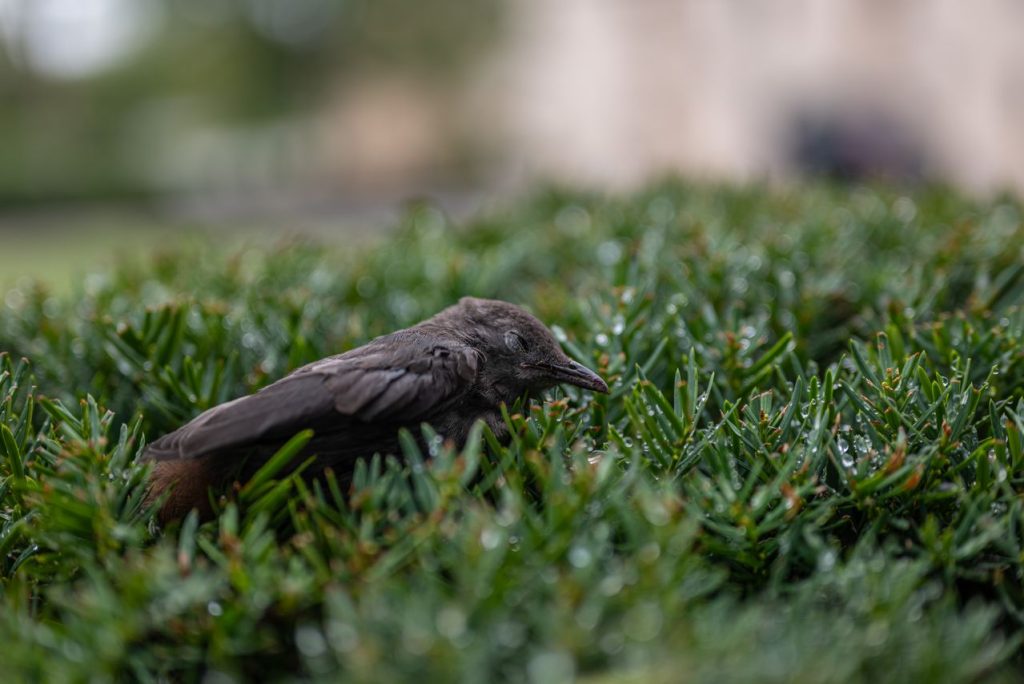
Step-by-Step: What to Do With an Injured Bird
Once you’re confident a bird genuinely needs help, here’s how to help it safely.
Step 1: Contact a Wildlife Rehabilitator First
Before you do anything else, try to reach a licensed wildlife rehabilitator, a vet who treats wildlife, or your local animal control. These are the only people with the training and legal permits to properly care for wild birds, and they can tell you the right next steps for your specific bird and species, which sometimes means the safest thing is to leave it alone.
If you can’t reach anyone immediately, don’t panic: move on to safely containing the bird (below) and keep trying. You’ll find exactly who to call and how to track down a rehabilitator in the Who to Call and Where to Take an Injured Bird section further down.
Step 2: Protect Yourself, and Clear the Area
Your safety matters too. Before handling the bird, put on gloves (or use a thick towel or cloth as a barrier) to protect against bites, scratches, and the diseases or parasites birds can occasionally carry, and to keep the oils on your skin off the bird’s feathers. Even small birds can nip and scratch when frightened.
It also helps to clear the area first. Secure any dogs or cats in another room, since a pet can terrify an already-stressed bird and even cause it to die of shock, and ask children to watch quietly from a distance rather than help handle it.
Step 3: Prepare a Container
Get a container ready before you pick the bird up: a cardboard box or pet carrier with a secure lid works well. Punch a few small ventilation holes in the top, small enough that the bird can’t escape or get its head stuck, and line the bottom with a soft cloth, paper towels, or an old t-shirt. Avoid anything with loops or loose threads that could snag claws or wings, and skip damp grass, which isn’t safe bedding.
Step 4: Gently Contain the Bird
Approach calmly and slowly, from behind, and use both hands (or a light towel draped over the bird first, which helps calm it) to gently cover and lift it. Support its body and keep its wings folded against it, but never squeeze, small birds are extremely fragile, so hold gently but securely. Place it in the box and close the lid promptly, taping it shut if needed. Be careful during this step: birds can suddenly regain the ability to fly, so don’t assume it can’t escape. Handle it as little and as briefly as possible; every extra second adds stress.
Important caution: Do not attempt to handle large or powerful birds yourself, including hawks, owls, herons, and other raptors or long-billed birds. Their talons and beaks can cause serious injury. For these, keep your distance and call a rehabilitator or animal control for guidance.
Step 5: Keep It Warm, Dark, and Quiet
Place the closed box somewhere warm, dark, and quiet, away from drafts, noise, people, and pets. This is the single most calming thing you can do. Birds are highly visual, so darkness naturally lowers their stress by cutting the sensory input that triggers panic, encouraging the bird to rest rather than thrash and worsen its injuries. Cover the box with a towel or tuck it in a quiet closet, and resist the urge to peek in, handle it, or show it to others.
Gentle, steady warmth helps too, especially for a small songbird, since injured birds struggle to keep warm. If a rehabilitator advises it, you can set the box on a heating pad turned to low with a towel in between, but keep it out of direct sun and away from heating or cooling vents; the goal is mild, consistent warmth, never hot or cold extremes. A window-collision bird that’s merely stunned will often recover within an hour or two in these calm conditions and can then be released outdoors.
Step 6: Transport to the Rehabilitator
Following the rehabilitator’s instructions, transport the bird in its covered box as soon as you can. Keep the car quiet, don’t play the radio, and resist checking on it along the way. The calmer the trip, the better the bird’s chances.
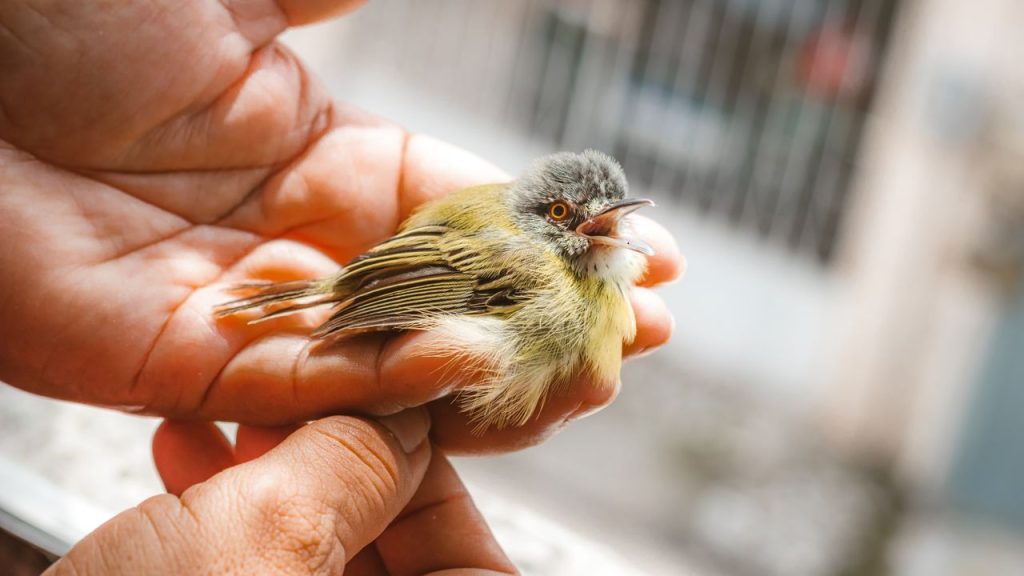
What NOT to Do (This Part Is Critical)
The most common mistakes come from kindness, but they can be fatal. Please avoid these:
- Do not give food or water. This is the biggest one. Never try to feed an injured bird or give it water unless a rehabilitator specifically tells you to. Every species has a wildly different diet, so the wrong food can seriously harm the bird. And water is genuinely dangerous: a bird’s mouth is built so that liquid poured in can go down the wrong opening straight into the lungs, causing it to aspirate and die. Injured and baby birds get the moisture they need from proper food, so leave hydration to the professionals.
- Do not try to treat or rehabilitate it yourself. Wild birds need specialized, licensed care. Home treatment usually does more harm than good.
- Do not handle it more than necessary. Repeated handling, petting, or “checking on” the bird piles on stress.
- Never give cow’s milk. Birds are not mammals; milk can kill them.
- Don’t assume a stunned bird is fine. Window-collision birds often have internal injuries that aren’t visible, so if it doesn’t fly off after an hour or two, it needs a rehabilitator.
- Keep it away from children and pets, and don’t treat it as a temporary pet or photo opportunity.
A Quick Note on the Law
In the United States, it’s worth knowing that most wild birds are legally protected. Under the federal Migratory Bird Treaty Act of 1918, it’s illegal to keep native wild birds, or their nests, eggs, or feathers, in your possession without a permit, which is exactly why injured birds must go to a licensed rehabilitator rather than being cared for at home. (A few non-native species, such as house sparrows, European starlings, and pigeons, aren’t covered.) This law isn’t meant to stop you from helping; it’s meant to ensure birds get proper care. Briefly containing an injured bird to transport it to a rehabilitator is the responsible, intended path.
(Laws and details can vary by state and change over time, so check with your state wildlife agency if you’re unsure.)
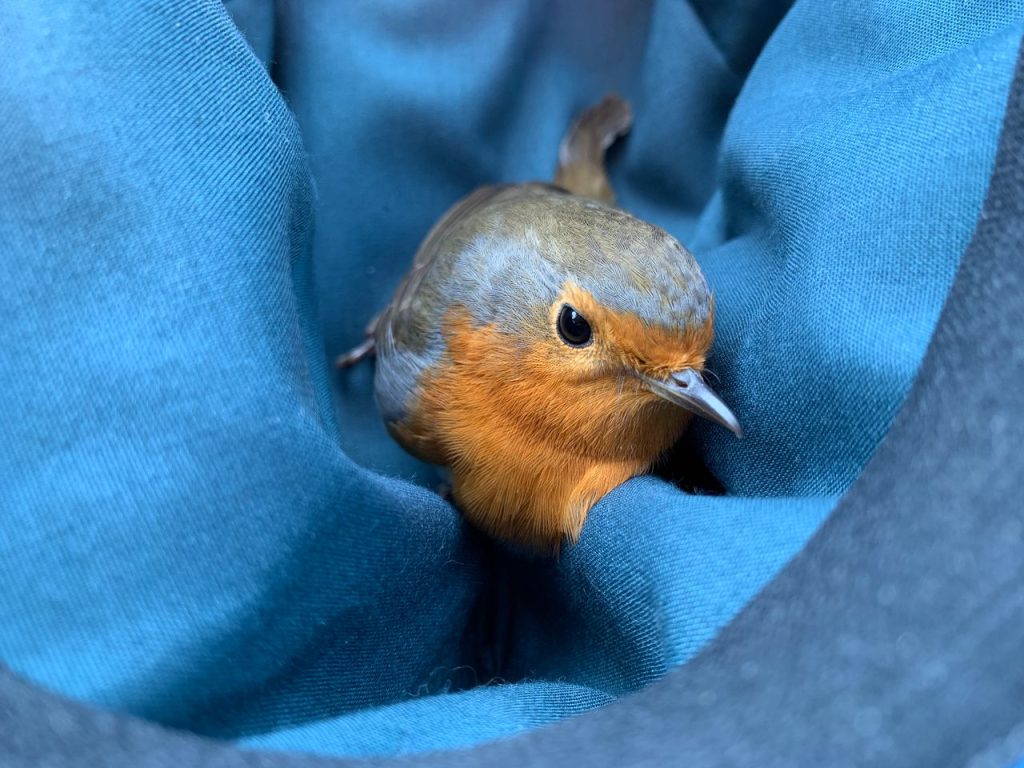
Who to Call and Where to Take an Injured Bird
Getting the bird to the right professional quickly gives it the best chance. Here’s who to contact, in rough order.
Start With a Licensed Wildlife Rehabilitator
Licensed wildlife rehabilitators are trained and legally permitted to care for wild birds, so they should be your first call. The fastest way to find one is an online directory:
- Animal Help Now uses your location to show the nearest wildlife emergency resources, and is geared toward exactly this kind of situation.
- The National Wildlife Rehabilitators Association (NWRA) offers a searchable map of rehabilitators by state under its resources.
If the directories don’t turn up someone nearby, your state wildlife agency, often called the Department of Natural Resources, Fish & Wildlife, or Game and Fish Department, keeps lists of permitted rehabilitators, and many have hotlines.
When to Call a Veterinarian Instead
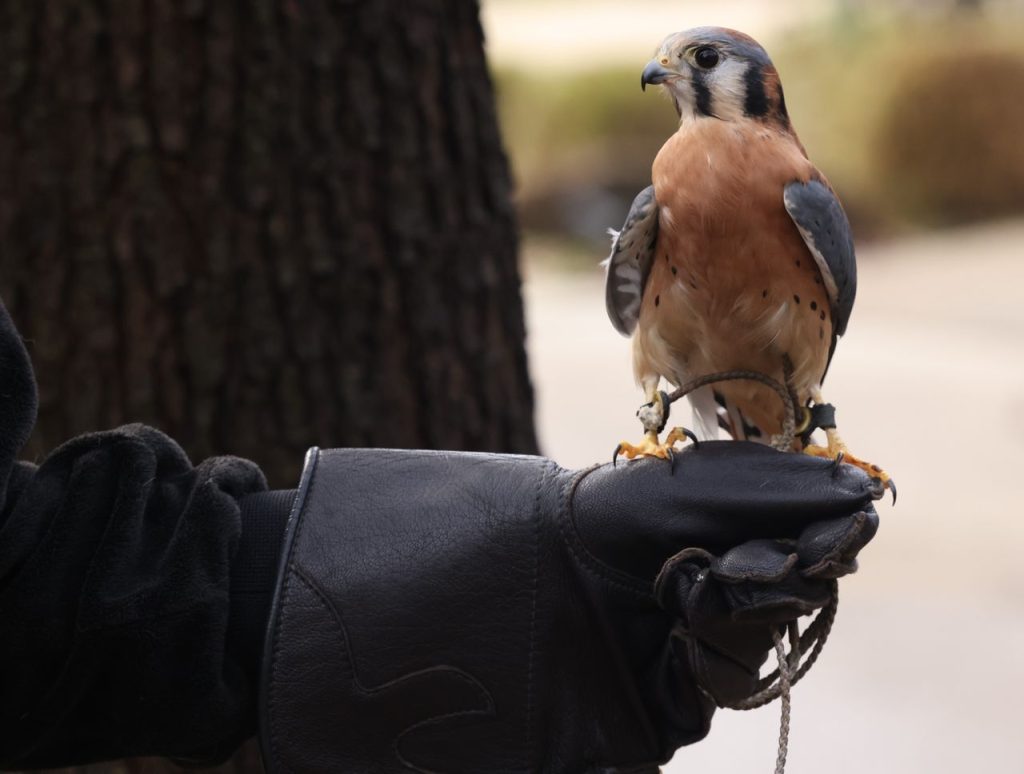
If you can’t reach a rehabilitator quickly, a veterinarian can help. Not every vet treats wildlife, so call ahead and ask whether they accept wild birds. Many emergency clinics will at least assess and stabilize an injured bird, and some partner with local rehabilitators to transfer the bird for longer-term care once it’s stable. University veterinary programs with wildlife or avian clinics are another excellent option, particularly for raptors like hawks and owls, which need specialized facilities.
What to Expect at a Rescue Facility
At a rehabilitation center or clinic, trained staff will examine the bird for injuries, check its condition, and sometimes take X-rays to find fractures or internal damage. From there they’ll set a treatment and recovery plan, which might include medication, wound care, or physical therapy for a wing, followed by gradual conditioning before the bird is released back to the wild. It helps to bring what you know: where you found the bird, when, and what you think happened.
If No One Is Available Right Away
Sometimes you can’t reach anyone immediately. If so, keep the bird contained somewhere warm, dark, and quiet, don’t offer food or water, and keep handling to an absolute minimum while you keep trying. In most states you may legally hold a wild bird only briefly (often up to 24 hours) for the purpose of getting it to a rehabilitator, so keep it just until you can hand it off. Local humane societies and animal shelters are also worth a call: some accept wild birds or have relationships with rehabilitators, though others focus only on domestic animals, so phone before you go. At PawBoost, we always encourage connecting with local animal-welfare organizations, they often have the networks to point you to the right resource fast.
How to Help an Injured Bird in Specific Situations
Different situations call for different responses. Here is how to help an injured bird based on common scenarios.
A Bird With an Injured Wing
A drooping wing, one held at an odd angle, or a wing the bird can’t fold is a classic sign of injury, often from a collision or a predator. Don’t try to splint, bandage, or “fix” the wing yourself, wing injuries need professional assessment, and improper handling can easily make them worse. Contain the bird gently as described above, keeping the wing as undisturbed as possible, and get it to a rehabilitator.
A Bird That Hit a Window
Window strikes are one of the most common bird emergencies, and a major one: collisions with glass are estimated to kill up to a billion birds a year in the U.S. alone. The tricky part is that a bird can look merely “stunned” while having serious internal injuries.
If a bird hits your window, place it in a ventilated box somewhere warm, dark, and quiet, and give it roughly 30 minutes to a couple of hours. A bird with only a minor concussion will often perk up in that window; if it becomes alert and can fly, release it outside, away from glass. But don’t assume it’s fine just because it seems alert, internal trauma can take time to show. If it doesn’t fully recover and fly off, if you can walk up and handle it without it fleeing, or if it was knocked unconscious at all (even briefly), it needs a rehabilitator. Any sign of bleeding from the mouth is very serious and calls for urgent professional help.
A Bird Caught by a Cat or Dog
Any bird that’s been in a cat’s or dog’s mouth needs a rehabilitator promptly, even if it looks completely fine. This is genuinely urgent: cats carry bacteria (Pasteurella) in their mouths that can enter through scratches or punctures too tiny to see, cause a fast-spreading infection, and kill an otherwise healthy bird within a day or two if untreated, which is why it’s sometimes grimly nicknamed the “48-hour killer.” The bird needs antibiotics it can only get through professional care, and waiting to see if symptoms appear is often waiting too long. Secure the bird in a covered box in a quiet room away from the pet, and contact a rehabilitator or wildlife vet right away.
A Bird Tangled in Netting, String, or a Glue Trap
Entanglements need careful handling. If a bird is caught in loose netting or string and is otherwise calm, you may be able to free it by cutting the material away with small scissors, snipping rather than pulling, since pulling can cause more injury. Never try to peel a bird off a glue trap yourself: the adhesive strips feathers and damages skin, and it needs specialized solvents. For glue traps, deep entanglements, or a bird caught in machinery, leave the extraction to professionals and call a rehabilitator or animal control. While you wait, keep the bird calm by draping a light cloth over it and quieting the area.
An Orphaned Baby Bird
As covered earlier, most baby birds on the ground are healthy fledglings that don’t need rescuing. A nestling (tiny, mostly bare, unable to hop or perch) is the exception. If you find one, look in the nearby trees and shrubs for its nest and gently place it back, the myth that parents reject a touched baby isn’t true, as birds have almost no sense of smell. If the nest is destroyed or out of reach, you can improvise one: poke drainage holes in a small container, line it with soft material, secure it in the tree near where the bird fell, tuck the nestling in, and watch from a hidden distance. Parents usually return within about an hour. Step in and call a rehabilitator only if the parents don’t come back, the baby is injured, you know both parents are dead, or you simply can’t return it to a nest.
What Happens Next, and How You Can Help
Once a bird is in a rehabilitator’s hands, it’s in the best possible place. After treating the initial injury, rehabilitators focus on rebuilding the bird’s strength and flight in progressively larger enclosures, making sure it can fly, feed itself, and behave like a wild bird before it’s released back where it belongs.
It’s worth setting realistic expectations, though: not every bird can be saved. Outcomes depend on the species, the type and severity of the injury, and, crucially, how quickly the bird gets care, which is exactly why acting fast matters so much. Sometimes injuries are too severe for a bird ever to survive in the wild, and in those cases a rehabilitator may make the difficult, compassionate decision to prevent further suffering. These calls are made with deep experience and the bird’s welfare at heart, so trust their judgment even when the outcome isn’t what you hoped for.
One thing worth checking along the way: is the bird actually wild? Not every bird you find outdoors is a wild one. Escaped pet birds, like parakeets, cockatiels, and parrots, turn up outside too, and unlike wild birds, they have a worried owner searching for them. If the bird looks like a companion species, seems unusually tame, or is a type you’d never expect to see loose in your area, it may be a lost pet. In that case, alongside getting it any medical help it needs, post a found-bird alert. This is where PawBoost can help: creating a free Found Pet alert instantly reaches thousands of local pet lovers, shelters, and rescuers who can help reunite an escaped pet bird with its family.
Finally, wildlife rehabilitators do extraordinary work, usually as volunteers or on shoestring budgets. If a rehabilitator helps a bird you found, consider giving something back: a donation (even a small one) helps cover food, medicine, and supplies, and many centers welcome volunteers for everything from animal care to admin. Supporting your local wildlife rehabilitators is one of the best ways to make sure help is there for the next bird in trouble.
Frequently Asked Questions
Can I Keep an Injured Bird as a Pet?
Generally no. Under the Migratory Bird Treaty Act, it’s illegal to keep most native wild birds without a permit, and they need specialized care to survive and be released. The right move is to get the bird to a licensed wildlife rehabilitator, who has both the training and the legal authorization to help it recover.
What to feed an injured bird?
This is one of the most important rules. Never offer food or water to an injured or baby bird unless a licensed rehabilitator specifically instructs you to. The wrong diet can harm it, and liquids given by mouth can enter the lungs and kill the bird. Birds get the moisture they need from appropriate food, which a rehabilitator will provide.
How Long Can an Injured Bird Survive Without Help?
This varies dramatically based on the type and severity of injury. A bird with minor injuries might survive for days or weeks, while a severely injured bird may only have hours. If you spot an injured bird, your quick response can make all the difference. For the bird to have the best chance of recovery and release, contact a rehabilitator right away.
What Should I Do If I Find a Dead Bird?
Avoid handling dead birds directly, as they can carry diseases. If you must move the bird, use gloves or a plastic bag. In some areas, wildlife agencies track bird deaths to monitor for disease outbreaks, so consider reporting the dead bird to your local wildlife agency, especially if you find multiple dead birds in one area..
Is It Safe to Touch an Injured Bird?
With proper precautions, yes. Use gloves or a towel, wash your hands thoroughly afterward, and avoid touching your face during handling. The risk of disease transmission is relatively low but not zero, so take sensible precautions.