
This article is contributed by guest writer, Emily G. (Author of Modern Day Pets).
A Guide to Adopting and Owning a Dog as an Older Person
There are a few important things to keep in mind during your golden years when it comes to dog care. Dogs aren’t independent and fairly easy to care for like cats. They require lots of attention, energy and money.
You can make things a lot easier on yourself if you’re willing to take some advice, and we’ve compiled some tips to help you out. So, let’s hop in with some tips and tricks to help make looking after your canine easier.
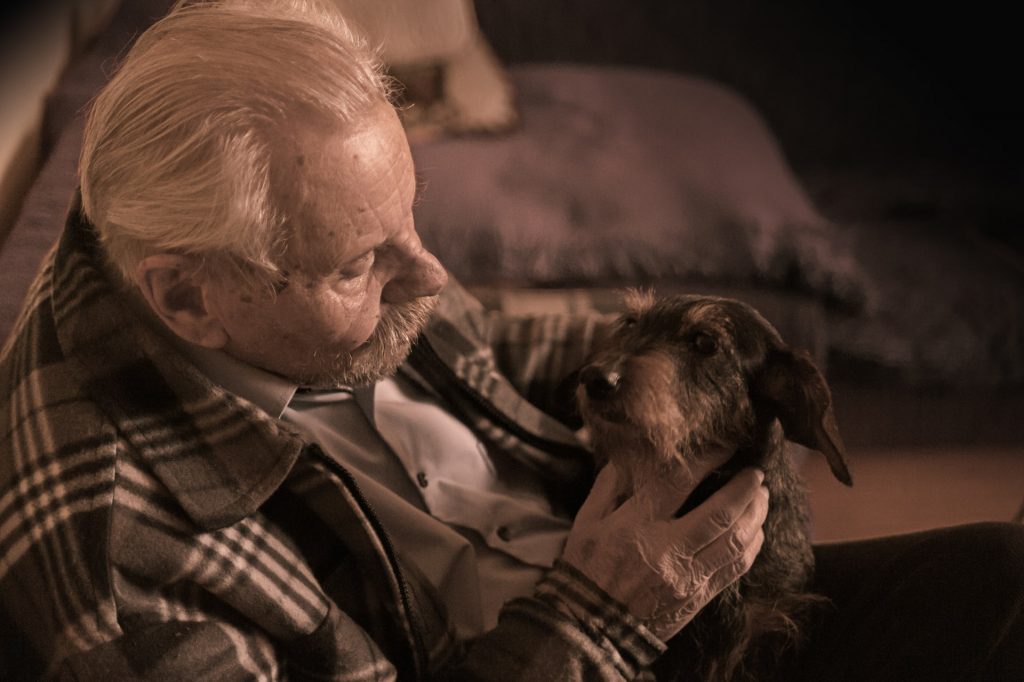
Photo Credit: Magdalena Smolnicka via Unsplash
1. Choose the right dog breed
Dogs have a wide variety of temperaments, and you’ll need to make sure that yours is suited to you.
It may be a mistake to adopt a younger pet. While cute, they have a lot of energy and often aren’t as careful around people as we’d like. Thousands of people are injured every year playing with their pets, so a calmer animal is usually more appropriate.
While size is a preference for most people, keep in mind that larger dogs cost double what smaller dogs do per year. That may be an important consideration if you have a fixed income.
Related article: A Basic Guide For The 10 Most Popular Dog Breeds
2. Make care arrangements in advance
Medical problems can lead to long absences from your home, and they happen suddenly. Since seniors are at more risk of extended hospital stays, you should ensure that your dog will be taken care of.
Most often it’s best to arrange with a family member for the dog to be fed, watered, and generally cared for while you’re away. That way a plan can be put in place as soon as you’re not home.
In other cases, it may be necessary to find a kennel or dog sitter who will be ready on a contingency.
A bit of preparation can make your short time away much easier for both of you.
3. Schedule ahead for appointments
Your appointments should be scheduled in advance, especially routine checkups with the veterinarian. Groomer appointments are another regular occurrence that you’ll need to take care of.
Your best bet is to schedule them well in advance, especially since you’ll have to work around other appointments. It’s just a fact of life that as we get older our schedules become fuller.
Write them down in a planner, put them on your calendar, and even set up your phone’s calendar as well. Reminders are never a bad thing, and it’s often difficult to recall appointments that were made months in advance.
Scheduling far ahead of time lets you keep your schedule flexible as well.
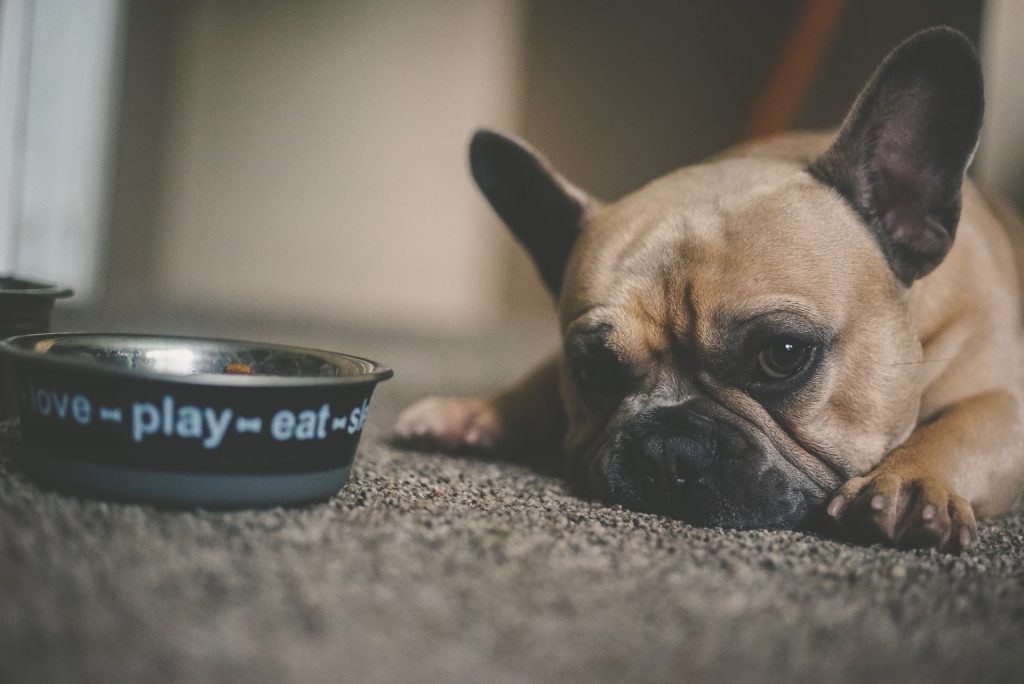
Photo Credit: Chris Benson via Unsplash
4. Automated feeding and watering
Go with automated feeders and watering fountains to save yourself some labor. There are many of them out there, and they come in sizes suitable for all dogs. You even get automated feeders for cats, rabbits and fish too.
Most of the cheaper ones require more effort to keep up. Gravity-fed water bowls, for instance, still require you to fill up the sizable container. It’s a time-saver compared to regularly filling a dog bowl, however.
On the other hand, you can also find setups that allow for more freedom. It’s really a matter of what you need to do to stay comfortable on a day-to-day basis.
The end result is always saved effort, so look into the available systems.
5. Find the right veterinarian
You’ll need to find the right veterinarian to help with your dog’s care.
That means getting along with them on a personal basis, but you may have special requirements. One of the biggest requirements which seniors have is needing house calls. Finding a veterinarian amenable to doing so is often easy enough, you just need to ask.
Make sure that your veterinarian’s office is close by as well. In the event of an emergency, you don’t want to have to drive for hours.
A veterinarian makes a huge difference in quality-of-life for your dog. So pick the right one in the first place.
6. Calculate the costs
Dogs are an investment, and you’ll be spending money on them. A small dog with no complications can often cost around $600 per year. Larger dogs are almost twice that.
And that’s assuming nothing else comes up.
If you don’t have a dog yet, you’ll also need to take into account all of the trappings your animal needs. Food bowls, toys, and dog beds all add up quickly and are part of the whole package. You may need to dog-proof your home as well, even the type of couch can be an important consideration.
Just make sure that you’ve got the financial backing you’ll need, especially initially, and then plan it out from there. Emergencies happen, but you shouldn’t have to worry about the day-to-day expenses of upkeep. A wise budget helps you plan ahead.

Photo Credit: Tim Mossholder via Unsplash
Conclusion
Taking care of a dog as you get older is just a matter of preparation. You’ll need some contingencies you didn’t have when you were younger, and there may be a little bit less energy to spend on things like dog bowls.
But the truth is that seniors with pets gain a lot of benefits. Just relax, think ahead, and enjoy your canine companion. If you don’t have the energy for a pooch, you can always get a goldfish. They make wonderful pets, require very little attention and they are very therapeutic to look at.
Comments are closed.