
How to Keep Your Pets Safe During a Tornado
When severe weather strikes, protecting every member of your family becomes the top priority. At PawBoost, we know that your pets are family too, and our mission is to keep them safe and help reunite them when the unexpected happens. Tornadoes can be especially dangerous for animals, but with proper preparation, you can protect your furry family members.
We would love to walk you through everything you need to know about how to keep pets safe during a tornado, from preparation and early warning signs to what to do if your beloved companion goes missing after a storm.
Understanding Tornado Risks for Pets
Tornadoes are among nature’s most violent and unpredictable weather events. According to the National Weather Service, winds of a tornado may reach 300 miles per hour, and damage paths can be in excess of one mile wide and 50 miles long. For our pets, these storms present unique and serious challenges that require thoughtful planning.
Why Pets Need Special Tornado Preparedness Plans
Unlike humans, pets cannot understand weather warnings, access news alerts, or make rational decisions when fear takes over. For this reason, you should begin preparations during a tornado watch and move your pet to safety as soon as a tornado warning is issued.
Keep your radio or local television on so you can monitor whether a storm is approaching. Remember, you may have less than 15 minutes after a tornado warning is issued to get yourself, your family, and your pets to safety. With such a limited window, every second counts, and having a clear plan for your pets can make the difference between safety and tragedy.
Pets also rely on routine and familiar surroundings for comfort. In stressful situations, they can become confused, panicked, and more likely to try to escape. A well-prepared plan helps reduce their stress and ensures they remain safe.
Common Dangers Pets Face During Tornadoes
During a tornado, pets face many of the same dangers as humans, including structural damage, flying and falling debris, and the risk of getting lost or injured. Many animals go missing after storms because they become frightened and run away.
Strong winds can send objects flying, while collapsing structures, falling branches, and debris can lead to serious injuries or even crushing hazards. In addition, the aftermath of a tornado may include power outages, contaminated water, and dangerous debris scattered on the ground.
Pets may also try to escape through damaged doors, broken windows, or compromised fencing. In some cases, they may even chew through drywall or tear through screens when panicked. To keep pets safe, it’s important to keep them calm, secure them with leashes or carriers, and eliminate potential escape routes.
Can Pets Sense Tornadoes Before They Strike?
One question pet parents frequently ask is whether their furry companions can detect approaching storms before humans can. The answer is fascinating and could provide you with valuable early warning time.
Can Dogs Sense Tornadoes?
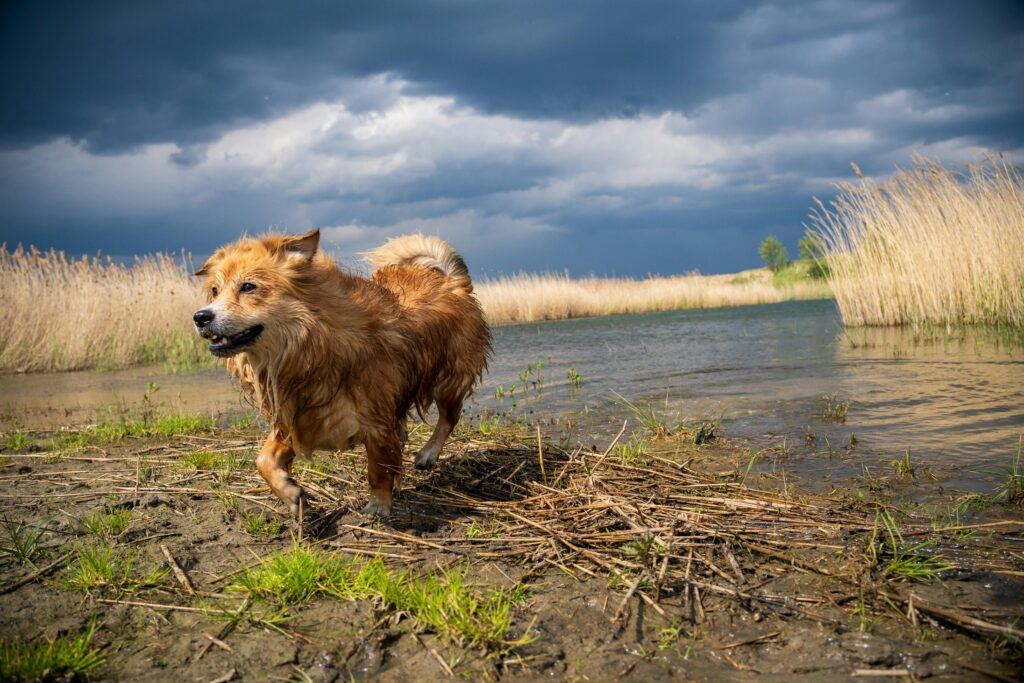
In short: they may be able to. Dogs can detect subtle changes in the environment before a tornado or severe storm occurs. Thanks to their heightened senses, they may pick up on shifts in air pressure, distant sounds, and other atmospheric changes that humans typically miss.
How Dogs Detect Approaching Storms
Dogs rely on their highly developed senses to notice early signs of severe weather. One of the key factors is their ability to detect changes in barometric pressure, which often occur before storms. They may also sense shifts in temperature and static electricity in the air.
In addition, dogs have a much stronger sense of hearing and smell than humans. They can hear low-frequency sounds from distant thunder and detect changes in scent caused by rain and shifting air currents. These signals may cause dogs to react before a storm becomes visible.
Behavioral Signs
Some pet parents can tell when a tornado is approaching due to their pet exhibiting behavior that’s out of the norm. For instance, if you have a dog who rarely barks, but is all of a sudden barking, pacing around, or even sniffing the air when they are outside, all of these behaviors could indicate that they are sensing a change in the weather.
Additional signs to watch for include:
- Sudden seeking of shelter when outdoors
- Clingy behavior or wanting to stay close to you
- Restlessness and pacing throughout the house
- Whining or excessive vocalization
- Refusing to go outside when they normally love it
- Hiding in unusual places
Dogs can display their fear in multiple ways. They may pant, tremble, try to run away, have potty accidents or destroy their surroundings. In addition, they may want to stay close to you and start cowering or whimpering. All of these are signs of storm anxiety.
Can Cats Sense Tornadoes?
Just like dogs, cats possess remarkable abilities to detect changes in the weather that humans cannot perceive.
How Cats Detect Changes in Weather
Cats are particularly sensitive to changes in barometric pressure, which often drop before severe storms. Their inner ears can detect these pressure fluctuations, allowing them to pick up on sudden atmospheric shifts.
In addition, cats have highly developed senses of hearing and smell. They can detect low-frequency sounds from distant thunder and sense changes in air composition, such as the smell of rain or ozone produced by lightning. These subtle cues may alert them to an approaching storm well before humans notice anything unusual.
Because of this sensory sensitivity, cats may associate these environmental changes with past experiences, which can influence their behavior when a storm is approaching.
Behavioral Signs
Cats may show noticeable changes in behavior before a tornado or severe storm. One common sign is increased vocalization, such as excessive meowing or yowling. This may be linked to shifts in barometric pressure, which can make cats feel anxious or uncomfortable.
Another common reaction is a sudden change in social behavior. Some cats may become unusually clingy and seek comfort, while others may withdraw and hide in safe spaces like under beds or inside closets. These changes often reflect fear or stress caused by environmental changes they can sense but do not understand.
Cats may also become more restless or sensitive to their surroundings, reacting to sounds, smells, or pressure changes that humans cannot detect.
Watch for these feline warning signs:
- Excessive meowing or yowling
- Hiding under furniture or in closets
- Suddenly becoming clingy
- Grooming more than usual
- Refusing to go outdoors
- Restless or agitated behavior
How to Prepare Pets Before a Tornado
Preparation is your most powerful tool for keeping your pets safe. The time to plan is now, well before any storm clouds gather.
Creating a Pet Emergency Plan
The first step in preparing for a tornado is to create an emergency plan that includes your pets. Make sure your pets are wearing collars with identification tags and have a safe and secure place to go during a tornado.
Your pet emergency plan should address several key elements:
- Designate who is responsible for gathering each pet during an emergency
- Identify your tornado-safe room and ensure it can accommodate all family members and pets
- Know your pet’s hiding spots so you can locate them quickly
- Have all emergency supplies pre-positioned and ready to grab
- Practice your plan regularly so everyone knows their role
Develop a buddy system. Plan with neighbors, friends or relatives to make sure that someone is available to care for or evacuate your pets if you are unable to do so.
Identifying Your Tornado-Safe Area
The safest place during a tornado is a basement or an underground shelter. If you don’t have access to this, then the next best thing is a windowless interior room on the lowest level of your home, like a bathroom or closet.
Make your tornado-safe area pet-friendly by removing any dangerous items such as tools or toxic products. Keep your family and pet preparedness kits in your tornado-safe area or close by.
Practicing Tornado Drills With Your Pets
Just like fire drills, tornado drills help ensure everyone knows what to do when precious seconds count.
It’s a good idea to practice calmly going to that spot and making it a positive experience. Use treats and praise to help your pets associate the safe room with good things.
Keep ID tags and microchip info current, save digital vet records, and practice emergency evacuation drills with your dog regularly. Regularly practicing drills with your dog ensures they are ready to go in the event of a real emergency.
During practice drills:
- Time how long it takes to gather all pets and get to safety
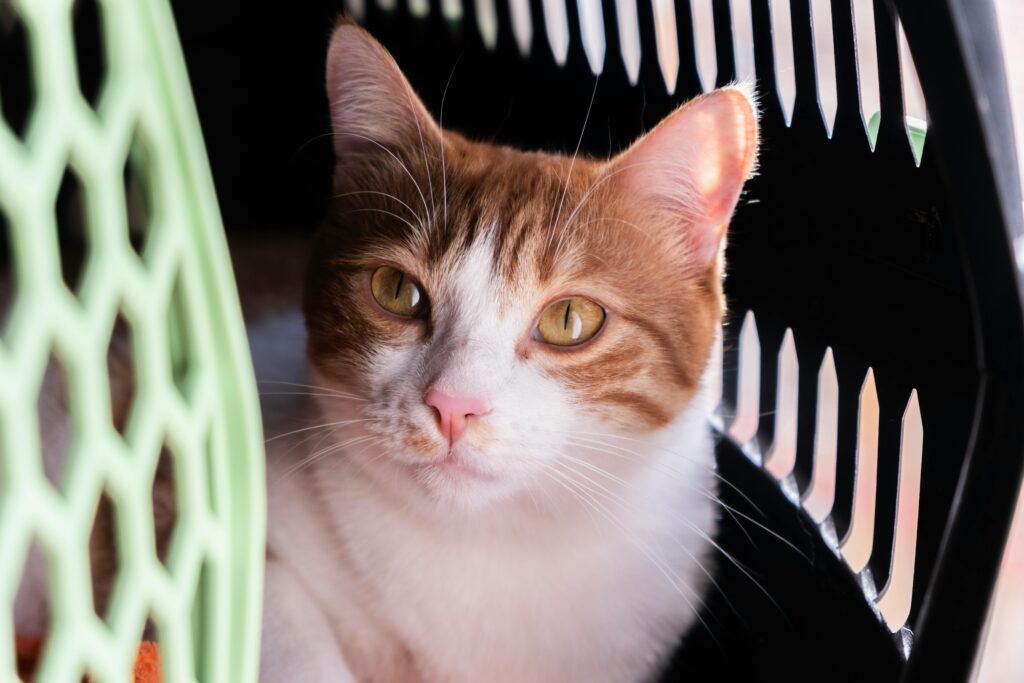
- Practice getting your cat into their carrier calmly
- Work on having your dog enter their crate on command
- Make the safe room a place your pets feel comfortable
- Reward calm behavior with treats and affection
Preparing a Pet Emergency Kit
Just as you would prepare an emergency kit for your family, start by covering your pet’s basic needs, such as food and water. It’s a good idea to have two kits: a larger one for sheltering at home and a smaller, portable version in case you need to evacuate. Make sure to check these supplies regularly to keep items like food and medication fresh and up to date.
Essential Supplies for Dogs
A dog emergency kit should contain at least a two-week supply of food and water, along with any necessary medications, basic first aid supplies, and essential documents such as veterinary records and identification details.
Your dog’s emergency kit should include:
- Food and water: At least 7-10 days supply in waterproof containers
- Medications: Two-week supply of any prescriptions
- Leash, collar, and harness: With current ID tags
- Crate or carrier: Large enough for comfort
- First aid supplies: Bandages, antiseptic, tweezers
- Recent photo: Of you with your dog for identification purposes
- Vaccination records: In a waterproof bag
- Comfort items: Favorite toy, blanket, or treats
- Poop bags and potty pads: For sanitation needs
- Extra collar and tags: As backup
Essential Supplies for Cats
Cat and dog emergency kits typically include many of the same essentials, but there are a few key differences.
Your cat’s emergency kit should include:
- Food and water: At least 7-10 days supply
- Medications: Two-week supply of prescriptions
- Sturdy carrier: One per cat
- Disposable litter box and litter: Aluminum roasting pans work well
- First aid supplies: Cat-appropriate items
- Recent photo: Of you with your cat
- Medical records: Including vaccination history
- Collar and ID tags: Even for indoor cats
- Comfort items: Familiar blanket or toy
- Treats: To help keep them calm
Microchipping and Identification
At PawBoost, we see firsthand how critical proper identification is for reuniting lost pets with their families. Microchipping combined with visible ID tags gives your pet the best chance of coming home if separated during a storm.
Why Microchipping Matters in Emergencies
Unlike collars or tags that can fall off or be removed, microchips provide a permanent and reliable form of identification. About the size of a grain of rice, a microchip is placed just under your pet’s skin and can be scanned by shelters or veterinarians.
After major storms, many pets are found without identification, making reunification difficult. Microchipping is affordable and significantly increases the chances of being quickly matched with your pet.
Keeping Identification Up to Date
A microchip is only effective if your contact information is correct. Keeping your details updated is essential to ensure you can be reached if your pet is found.
Make it a habit to:
- Update microchip contact information after any move or phone number change
- Check that collar tags are readable and up to date
- Keep a recent photo of your pet (both on your phone and backed up)
- Ensure all household members know the microchip number
If your dog isn’t microchipped and may lose their collar during a storm, consider writing your phone number on their inner leg or belly with a permanent marker as a temporary backup.
What to Do With Pets During a Tornado
When tornado warnings sound, every second counts. Knowing exactly what to do with pets during a tornado can save lives.
- Getting Your Pets to Safety Quickly
If evacuation is an option, always bring your pets with you. Be sure to take your pet emergency kit and confirm that each animal has proper identification. If you need to shelter in place, move your entire household, including both indoor and outdoor pets, to your designated tornado-safe area.
Preparing in advance can make a significant difference in keeping everyone safe. One helpful step is to identify your pet’s usual hiding spots. When animals sense a storm, they often retreat to places where they feel secure. While this may be fine during a normal thunderstorm, it’s important that you can quickly find and safely move them to your tornado shelter when severe weather strikes.
- Securing Dogs on Leashes or in Crates
Whenever possible, place your dog in a crate or carrier to keep them protected from debris and prevent them from running away in fear. If crating isn’t possible, use a secure leash and harness to keep your dog close and under control.
Bring your pet into your designated safe area and position the crate in the most protected spot available. For added safety, place it under or next to a sturdy piece of furniture to help shield your dog from falling debris.
- Getting Cats Into Carriers Fast
Cats can be difficult to handle when they’re frightened, so preparation is key. Many cats instinctively run and hide when they sense a storm, making it important to know their usual hiding spots and how to safely retrieve them.
If possible, bring your cat into a secure, easily accessible area before the storm arrives. This ensures you know exactly where they are and can quickly place them in a carrier if conditions worsen.
If time is limited, you can use a towel, blanket, or pillowcase to safely pick up your cat and reduce the risk of scratches. Once secured, place your cat in a carrier inside your designated safe area. For added protection, position the carrier in the most sheltered spot available, such as near or under sturdy furniture.
- Keeping Pets Calm During the Storm
If a tornado or severe storm develops, try to remain calm. Pets are highly sensitive to human emotions, so your behavior can directly influence how they react. Staying composed can help reassure them and reduce panic.
Managing Storm Anxiety in Dogs
Your presence can be very comforting during stressful situations. Speak in a calm voice, stay close, and offer familiar items like a favorite toy or chew to help distract and soothe your dog.
Additional ways to calm anxious dogs:
- Using a calming vest or anxiety wrap (such as a Thundershirt) to provide gentle, reassuring pressure
- Redirecting your dog’s attention with toys or simple games
- Playing white noise or calming music to mask loud storm sounds
- Setting up a comfortable crate or safe space with bedding and familiar items
- Covering the crate with a blanket to reduce noise and visual stimulation
Managing Storm Anxiety in Cats
Like swaddling a baby, a calming vest or wrap can apply gentle, consistent pressure to your cat’s body, which may help reduce anxiety during stressful situations like storms.
Help your cat stay calm by:
- Keep them in a carrier or enclosed space where they feel safe
- Speak in soft, reassuring tones
- Place familiar items, such as their blanket or bedding, nearby
- Avoid sudden movements or loud noises
- Create a dark, quiet environment in your safe area
What to Do With Pets After a Tornado Passes
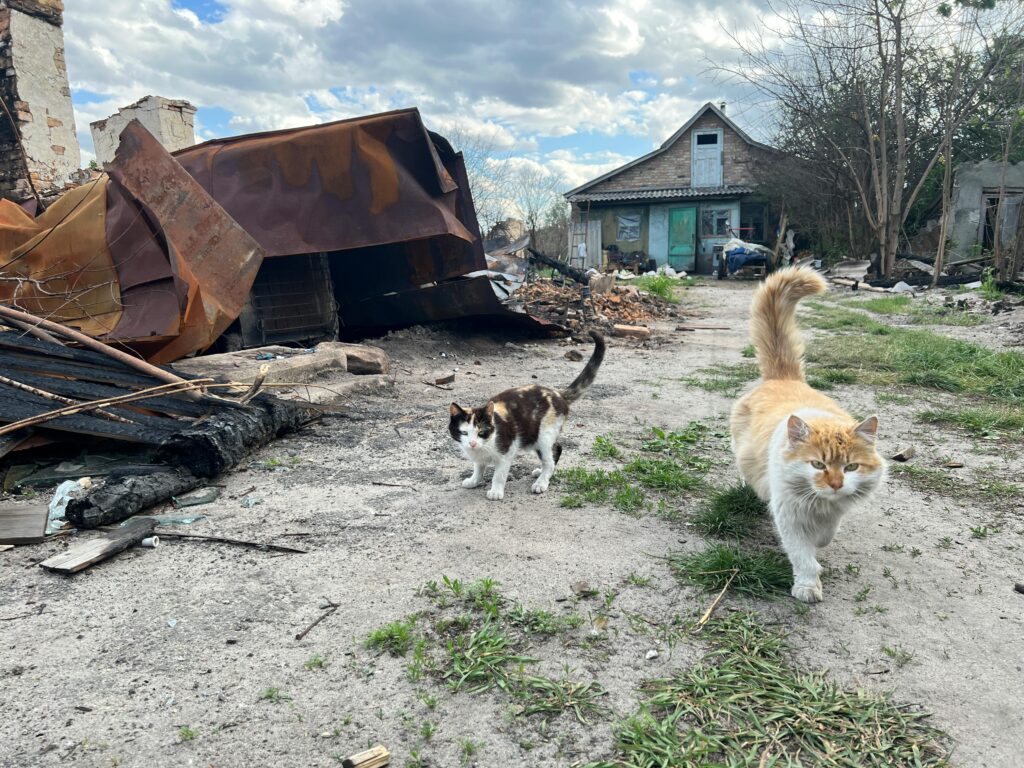
The danger doesn’t end when the storm passes. Post-tornado conditions can be just as hazardous for your pets.
Assessing the Environment Before Letting Pets Outside
Use caution before allowing pets or family members to go outside. Only leave your shelter once the storm has completely passed, and take time to assess the situation first.
Afterward, carefully inspect your home and surroundings for potential hazards such as downed power lines, fallen trees, damaged fences or gates, broken glass, and scattered debris. Make sure the area is safe before letting your pets return outside or resume their normal routine.
Watching for Post-Storm Hazards
The aftermath of a tornado presents numerous dangers to curious pets exploring a changed landscape.
- Downed Power Lines: Always be wary of power lines or other potentially dangerous debris on the ground. Never allow your pet to approach downed wires, and keep them on a short leash until you have confirmed the area is safe.
- Debris: Sharp debris like glass, metal fragments, splintered wood, and nails can cause serious injuries to paw pads. Watch for objects that could cause injury or harm to your pet. Consider keeping your dog’s paws protected or carrying smaller pets through debris fields.
- Contaminated Food and Water: Keep pets away from food, water or other liquids that could be contaminated from the storm. Only provide your pet with water from sealed containers until you are certain the water supply is safe.
Recognizing Signs of Injury or Trauma in Pets
After a tornado, pets may feel disoriented as familiar scents, sounds, and surroundings have changed. This confusion can increase the risk of them getting lost, so it’s important to keep pets on a leash or in a carrier when outside.
Even in the aftermath of a disaster, maintaining a consistent routine can help reduce stress. Try to provide regular meals, fresh water, and bathroom breaks to give your pet a sense of stability.
Watch for signs that your pet may be injured or experiencing stress:
- Limping or reluctance to walk
- Excessive licking of a particular area
- Changes in appetite
- Unusual aggression or fear
- Hiding more than usual
- House-training accidents
- Excessive vocalizations
Tornadoes can have both physical and emotional effects on pets. Behavioral changes are common, so allow time for adjustment and keep your pet secure until they feel more comfortable in their environment.
What to Do If Your Pet Goes Missing After a Tornado
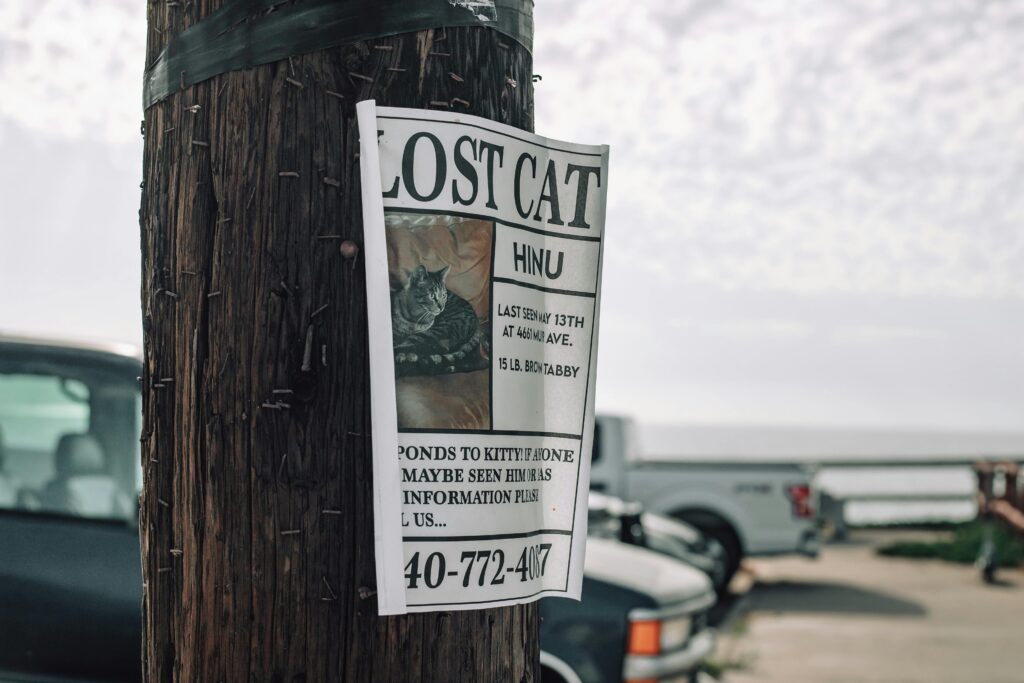
If your pet becomes separated from you during a tornado, act quickly. At PawBoost, reuniting lost pets with their families is at the heart of what we do, and we’ve helped thousands of families reconnect with their pets.
Start by checking your home and nearby areas, as frightened pets often hide in small, quiet spaces. Look under porches, inside garages, behind debris, and around bushes or sheds. Cats, in particular, tend to stay close to home and may hide silently, even inside damaged structures.
Next, contact local animal shelters and animal control, as many lost pets are picked up and temporarily housed after disasters. Don’t rely on phone calls alone, visit shelters in person and carefully check animals, as pets may look different due to stress or dirt.
Use social media and lost pet networks to spread the word quickly. Posting in local community groups and pet recovery platforms can reach a large number of people in a short time.
You can also create a free lost pet alert on PawBoost. Our network of pet lovers and local partners helps share your pet’s information throughout your community, improving visibility and recovery chances.
Special Situations
In some cases, you may need to take additional steps:
- If your pet runs away during an active tornado, you must remain in your shelter until the storm has fully passed before searching for your pet.
- If your area is inaccessible due to damage, contact local emergency management for assistance
- Work with local rescue organizations who may be conducting search operations
- Never give up hope, as pets have been found weeks or even months after disasters
Managing Multiple Pets
Households with multiple pets face additional challenges during tornado situations. Create a system where each adult is responsible for specific pets. Practice your drill so everyone knows exactly which animals they will secure. Having multiple carriers and crates pre-staged near your safe room makes quick action possible.
Consider keeping your pets together in the same room during severe weather watches so gathering them quickly is easier when warnings are issued.
Keeping Small Animals and Exotic Pets Safe
Small animals like rabbits, guinea pigs, hamsters, and birds require special consideration.
For those with aquariums or terrariums that are too heavy to move, shielding the enclosure with a mattress or placing a sturdy table over it may be helpful.
For transportable small animals:
- Keep small animal carriers readily available
- Have a quiet, secure area of your safe room designated for their cages
- Bring extra bedding and food
- Cover bird cages to help reduce stress
- Maintain appropriate temperature for exotic species

Evacuation Planning
While sheltering in place is often the response during tornadoes, some situations require evacuation. Being prepared for either scenario keeps your pets protected.
Pet-Friendly Shelters and Temporary Housing
Many public shelters and hotels do not allow pets inside. Know a safe place where you can take your pets before disasters and emergencies happen.
Research and maintain a list of:
- Pet-friendly hotels along your evacuation routes
- Friends or family members outside your area who can shelter you and your pets
- Boarding facilities that accept pets during emergencies
- Local emergency shelters that accommodate animals
Animal control will often organize evacuations and provide a safer space to house evacuated animals, especially if they have notice, like in the case of tornadoes.
Creating a Pet Go-Bag
Your pet go-bag should be lightweight and ready to grab at a moment’s notice.
One of the most important aspects of pet disaster preparedness is creating an emergency kit or go-bag so your furry family member always has what they need.
Be sure you are preparing for at least a 72-hour emergency. That means gathering enough supplies to care for and protect your pet for at least three days.
Knowing Your Options in Advance
If you live in an area that is prone to certain natural disasters, such as tornadoes, you should plan accordingly and always evacuate early.
Being prepared means:
- Knowing multiple evacuation routes from your home
- Having backup plans if your first choice is unavailable
- Keeping vehicle gas tanks at least half full during storm season
- Ensuring your pet’s carrier fits in your vehicle
- Programming emergency contacts into your phone
Frequently Asked Questions About Tornado Pet Safety
Do Animals Know When a Tornado Is Coming?
Animals cannot predict tornadoes, but they may sense changes in the environment, such as shifts in air pressure, sounds, or smells, that occur before a storm.
Where Is the Safest Place for Pets During a Tornado?
The safest place for both people and pets is a basement or underground shelter. If that isn’t available, choose a windowless interior room on the lowest level, such as a bathroom or closet.
Should I Put My Cat in a Carrier During a Tornado?
Yes, using a carrier is strongly recommended. It helps keep your cat secure, prevents escape, and offers protection from debris.
What If I Can’t Find My Pet When a Tornado Warning Is Issued?
Knowing your pet’s typical hiding spots ahead of time can help you act quickly. Pets often hide when they sense a storm approaching. However, if you cannot find your pet and the tornado is imminent, your safety must come first.
How Can I Help My Pet Recover After a Tornado?
After a tornado, pets may feel stressed or behave differently. Try to return to a normal routine as soon as possible by maintaining regular feeding, walking, and sleeping schedules. Offer reassurance and keep them close as they readjust. If unusual behavior or health concerns continue, consult your veterinarian for guidance.