
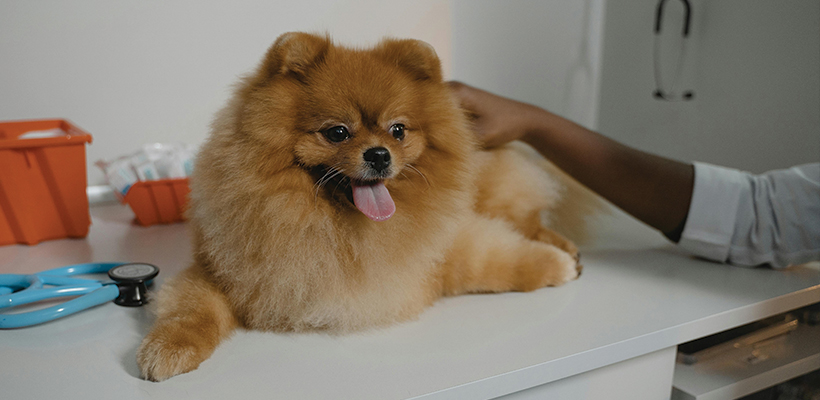
The Importance of Microchipping Your Dog
Every dog owner’s nightmare is looking around and realizing their dog is gone. It happens faster than anyone expects: a gate left open, a loud noise, a moment of distraction on a walk. According to an ASPCA survey of over 1,000 pet-owning households, 14% of dog owners reported losing their dog at least once in a five-year period. That is millions of families every year facing the stress and heartbreak of a missing pet.
The good news is that one small procedure can dramatically change the outcome. This article covers everything you need to know about microchipping your dog specifically: when to do it, what to expect, and why it remains the most reliable form of permanent identification available.
Why Dogs Are Particularly at Risk of Going Missing
Dogs go missing for a wide variety of reasons, and their natural behavior makes them more escape-prone than many owners realize. The most common causes include wanderlust in intact males, prey drive, and blind panic triggered by loud noises such as fireworks or thunder. Dogs that bolt in fear can travel several miles before stopping, making recovery significantly harder.
High-risk moments include:
- Unsecured yards with gaps in fencing or unlocked gates
- Walks where the dog slips out of its collar or harness
- Loud events such as Fourth of July fireworks or thunderstorms
- Moving to a new home, where dogs may attempt to return to familiar territory
- Emergencies such as fires or natural disasters
Understanding why dogs go missing is the first step toward preventing it, and microchipping is the most important safeguard you can put in place before it ever happens.
How Microchipping Improves Your Dog’s Chances of Coming Home
The data on microchipping dogs is clear and consistent. According to the AVMA, only 22% of lost dogs entering shelters were returned to their families, but that figure rose to more than 52% when the dog had a microchip.
That gap exists because a microchip is the one form of identification that cannot fall off, break, or be removed. When a lost dog is brought to a shelter or veterinary clinic, staff scan for a chip as a standard part of intake. If one is found and properly registered, reuniting the dog with its owner becomes a matter of minutes rather than days or weeks.

When Should You Microchip Your Dog?
The short answer: as early as possible. Most veterinarians recommend microchipping puppies between 8 and 12 weeks of age, which typically aligns with their first vaccination appointments. Combining both procedures in a single visit reduces stress on the puppy and is the most practical approach for new owners.
If you have an adult dog that has not been microchipped yet, there is no reason to wait. Dogs can be microchipped at any age. Other convenient moments to consider include:
- During a spay or neuter procedure, when the dog is already under anesthesia
- At the first vet visit after adopting a rescue dog
- At any routine checkup if the dog has never been chipped
There is no wrong time to microchip a dog that does not yet have one.
How to Find Out If Your Dog Is Already Microchipped
If you have adopted a dog or are unsure whether your dog has a chip, the easiest way to check is to ask your veterinarian to perform a scan during your next visit. This takes just a few seconds and confirms whether a chip is present and readable.
You can also use the AAHA Universal Microchip Lookup Tool, which searches multiple registries at once and allows you to check whether a chip number is registered and to whom.
If a chip is found but is registered to a previous owner, contact the relevant registry to request a transfer of ownership into your name.

Where to Get Your Dog Microchipped
There are several options depending on your location and budget:
- Your veterinarian: The most common option, generally costing between $40 and $60. The procedure can be done during any routine visit.
- Animal shelters and rescue organizations: Often offer microchipping at reduced rates of $20 to $50, sometimes included in adoption fees.
- Low-cost microchipping events: Many clinics and shelters run promotions throughout the year, particularly around August 15, which is National Check the Chip Day, and during hurricane season.
Whichever option you choose, make sure to register the chip immediately afterward. The procedure itself is only half the job.
What to Expect During the Procedure
Microchipping a dog is a quick, outpatient procedure that requires no surgery or anesthesia. The chip is inserted beneath the skin between the shoulder blades using a hypodermic needle. Most dogs tolerate it without issue, and any discomfort passes in seconds. There is no recovery period, and your dog can return to their normal routine immediately.
In rare cases, minor side effects such as temporary swelling or sensitivity at the injection site may occur. Serious complications are uncommon. If you notice persistent swelling, redness, or unusual behavior in the days following the procedure, contact your veterinarian.

Microchipping vs. Other Identification Methods for Dogs
A microchip is not a replacement for other forms of identification. It works best as part of a layered approach:
- ID collar and tags: provide immediate visual identification and allow anyone who finds your dog to contact you without needing a scanner
- Microchip: serves as a permanent, tamper-proof backup that cannot be lost or removed
- GPS tracker (optional) enables real-time location tracking, which is particularly useful for dogs with high escape drives or those in rural areas
- Lost pet alerts: Services like PawBoost lost pet alerts notify your local community instantly if your dog goes missing
Collars and tags are often the first line of defense, but they can break or fall off. A microchip is the safety net that stays in place no matter what.
Common Mistakes Dog Owners Make With Microchips
Having a chip implanted is only half the job. These are the most frequent mistakes that prevent microchips from fulfilling their purpose:
- Not registering the chip: A chip with no registration is untrackable. Always register immediately after the procedure.
- Outdated contact information: Moving or changing your phone number without updating the registry is one of the leading reasons microchipped dogs are not returned to their owners.
- Registering in only one database: The U.S. does not have a single national registry. Consider registering in multiple databases and always check using the AAHA Universal Lookup Tool.
- Not checking for an existing chip when adopting: A new owner may unknowingly allow a chip to remain registered under a previous owner’s name.
- Skipping annual scans: Chips can occasionally migrate or become unreadable. Ask your vet to scan the chip at every annual checkup.
A microchip is only as effective as the information behind it. Taking five minutes to register, update, and verify your dog’s chip could make all the difference when it matters most.
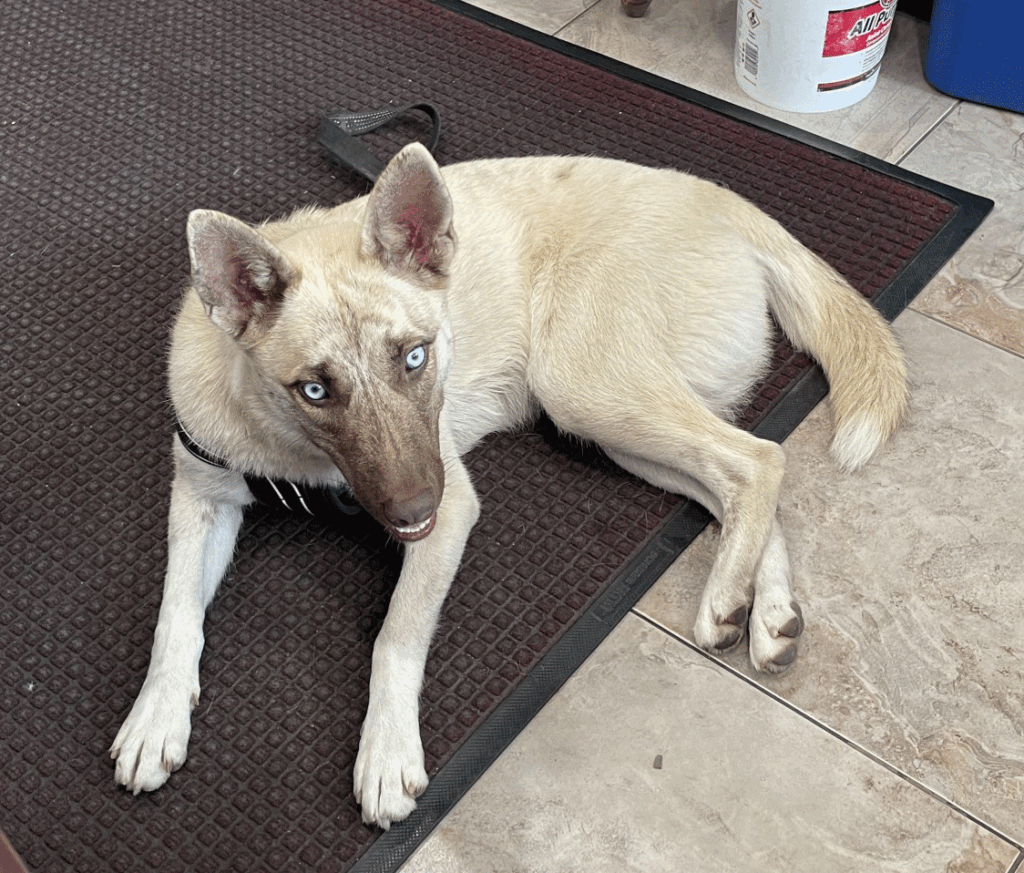
Real Story: How PawBoost Brought Chanel Home
One day, a very friendly, well-behaved dog showed up at an auto body shop with a harness and leash still attached. An employee took her to a vet to check for a microchip, but she didn’t have one. They decided to bring her home temporarily while searching for her owner and created posts on PawBoost, Nextdoor, and Ring.
A month later, the PawBoost post was still active when the finder received a message from a woman saying, “Hey, that’s my friend’s dog. He’s been looking everywhere for her.”
Chanel’s owner came to the shop the next day, hoping she was still there. It took some coordination to safely arrange the reunion, but Chanel was finally reunited with her owner and was overjoyed to see him.
The story had a happy ending, but it could easily have gone differently. Without a microchip, the community alerted through PawBoost was what ultimately helped bring Chanel home. Even after a month had passed, one person recognizing Chanel from the PawBoost post was all it took to make this reunion possible.
Conclusion
A microchip will not prevent your dog from going missing, but it dramatically improves the odds of getting them back. Combined with a proper ID collar, an up-to-date registry, and a community alert through PawBoost, it forms the backbone of any responsible pet safety plan.
If your dog is not yet microchipped, or if you are not sure whether their chip is registered and current, now is the right time to find out. For everything else you need to know about pet microchips, visit our complete pet microchipping guide or our article about why you should microchip your cat. And if your cat ever goes missing, post a lost pet alert on PawBoost to reach your local community immediately.
Frequently Asked Questions
At what age can I microchip my dog?
Puppies can be microchipped as early as 6 to 8 weeks old. Most veterinarians recommend doing it around 8 weeks, often during the first vaccination visit. Adult dogs can be microchipped at any age.
Does my dog need a microchip to travel internationally?
Yes, in most cases. Many countries, including all EU member states, require dogs entering from abroad to have an ISO-compliant microchip (134.2 kHz) as a condition of entry. Requirements vary by destination, so check with the relevant embassy or consulate well in advance of travel.
What happens if my dog’s chip migrates?
Chip migration is rare, but not impossible. If migration does occur, the chip may be harder to detect on a standard scan of the shoulder blades. This is why veterinary staff are trained to scan the entire body, not just the implantation site. If a chip becomes undetectable, your vet can advise on next steps.
Can my dog’s microchip be removed?
Technically yes, but it requires surgical intervention and there is no legitimate reason to do so under normal circumstances. The chip is designed to remain in place for the life of the animal. If ownership changes, the registry record is updated rather than the chip itself being removed or replaced.
Is microchipping required by law for dogs in the U.S.?
Requirements vary by state and municipality. Some jurisdictions require microchipping for licensed dogs or as a condition of adoption from a shelter. Even where it is not legally mandated, the AVMA and most veterinary organizations strongly recommend it for all dogs.