
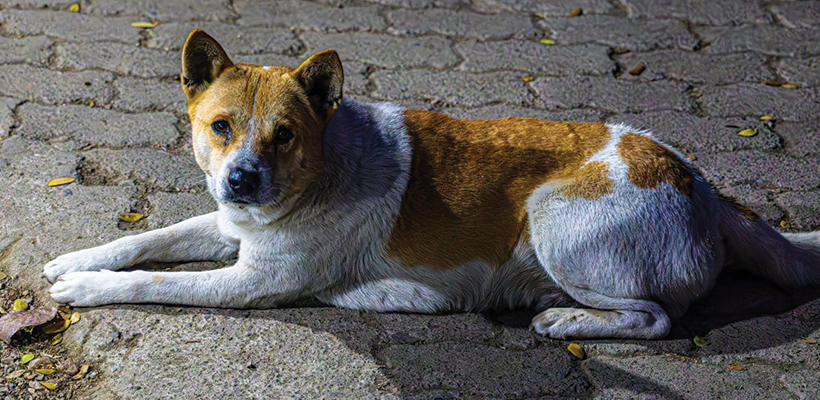
What to Do with a Stray Dog: A Complete Guide for Finding and Helping Lost Dogs
Finding a stray dog can be both heartwarming and overwhelming. One moment you’re going about your day, and the next, you’re faced with an unexpected furry friend who needs your help. Whether the dog looks scared, hungry, or simply lost, your actions in those first few hours can make all the difference in reuniting that pup with a worried family.
At PawBoost, we’ve helped thousands of lost pets find their way home, and we know that good samaritans like you are the real heroes in these reunification stories. This is why we have put together this comprehensive guide, to walk you through everything you need to know about what to do with a stray dog, from safely approaching the animal to using our community alert system to find the owner.
How Many Stray Dogs Are in the US
Understanding the scope of the stray dog situation in America helps illustrate why your actions matter so much when you encounter a lost pet. The numbers are significant, and every dog helped represents a family that might be desperately searching for their beloved companion.
National Shelter Intake Statistics
According to the Shelter Animals Count 2025 Annual Report, between January and December 2025, approximately 5.2 million dogs and cats entered animal shelters and rescue organizations across the U.S., a slight decrease from 2024. Strays accounted for the largest share of intakes, followed by owner surrenders. This means a significant portion of dogs entering shelters each year got there simply because they wandered away from home and could not find their way back. While intake numbers have been gradually declining, many organizations continue to operate at or above capacity, facing ongoing challenges in placing animals quickly enough to keep pace with demand.
Return-to-Owner Rates for Stray Dogs
Here is where the real challenge becomes clear. According to Shelter Animals Count, approximately 638,000 dogs and cats were returned to their owners in 2025, down 3% compared to 2024. Dogs made up the largest share of pets returned, with 19% of dog intakes resulting in a return to their owner, compared to just 3% of cat intakes. Among strays specifically, 34% of stray dogs were reclaimed by their families.
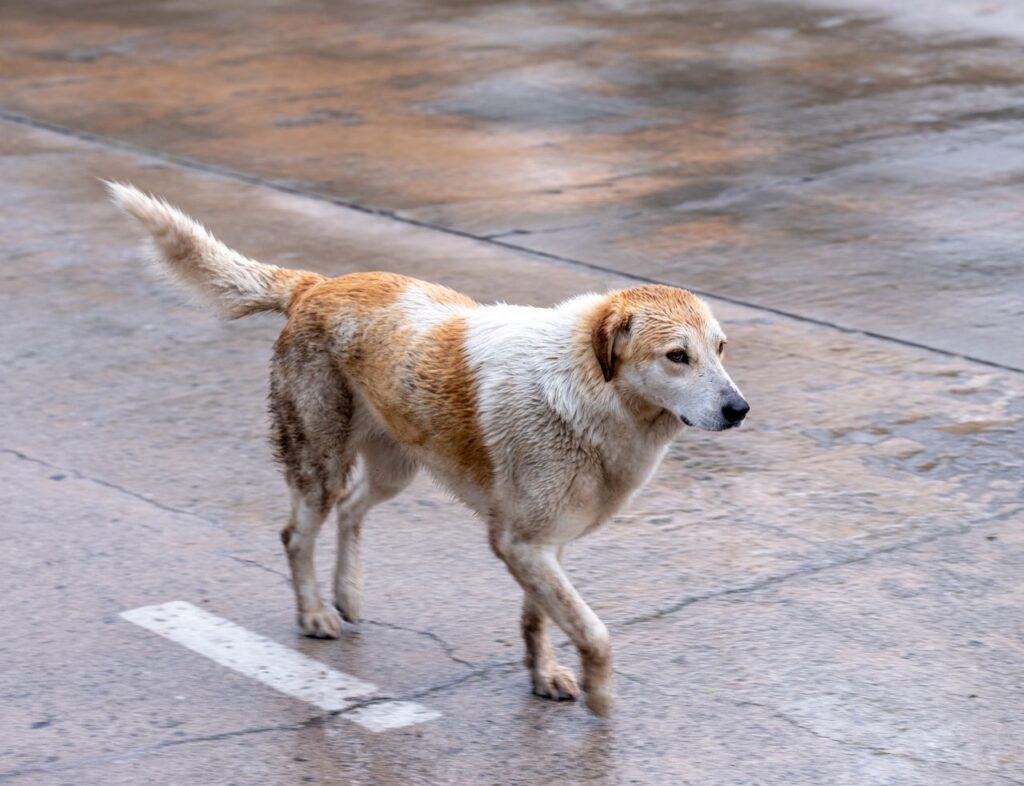
First Steps for a Safe Approach
Before you rush to help a stray dog, it’s essential to assess the situation carefully. Your safety comes first, and a measured approach also protects the dog from additional stress or injury.
Assess the Situation Before Approaching
Take a moment to observe from a distance. The dog’s behavior will tell you a lot about their current state of mind and whether they’re approachable.
Reading the Dog’s Body Language
A dog’s body language communicates volumes about their emotional state. Look for these positive signs that suggest the dog may be receptive to your help:
- Relaxed posture: A loose, wiggly body often indicates a friendly disposition
- Soft eyes: Wide, blinking eyes are typically a good sign
- Wagging tail: A tail wagging in a wide, sweeping motion generally signals friendliness (though context matters)
- Play bow: Front legs stretched forward with rear end up suggests the dog wants to engage positively
Conversely, watch for warning signs:
- Stiff, rigid body: Tension throughout the body signals stress or potential aggression
- Tucked tail: Fear is driving this dog’s behavior
- Raised hackles: The hair along the spine standing up indicates arousal or fear
- Whale eye: Showing the whites of the eyes while looking sideways suggests anxiety
- Lip licking or yawning: These can be stress signals in an otherwise tense situation
- Growling or showing teeth: Clear warnings to back off
Understanding these cues is essential for preventing dog bites and ensuring a safe interaction.
Identifying Signs of Injury or Illness
A dog in pain may react unpredictably, even if normally friendly. Look for visible wounds, limping, or difficulty moving. Check if the dog is panting excessively in cool weather, drooling heavily, or seems disoriented. Matted fur, extremely thin body condition, or discharge from the eyes or nose could indicate illness or long-term neglect. If you notice serious injuries or the dog appears very ill, contact animal control or a local rescue immediately, as the dog may need professional handling and urgent veterinary care.
How to Safely Approach an Unknown Dog
Once you’ve assessed that the dog seems approachable, use these techniques to make a good first impression.
Using a Calm Voice and Slow Movements
Dogs are experts at reading our energy. Approach at an angle rather than head-on, which can feel confrontational to a nervous dog. Keep your body relaxed and avoid making direct, prolonged eye contact, as this can seem threatening. Speak in a soft, cheerful tone using simple phrases. Many lost dogs respond positively to hearing familiar commands like “good dog” or “sit.” Crouch down to make yourself smaller and less intimidating, but don’t lean over the dog. Let them come to you when they’re ready.
What to Do If the Dog Seems Aggressive or Fearful
If the dog shows signs of fear or aggression, do not attempt to catch them yourself. A frightened dog can bite, and an aggressive stray poses serious risks. Instead, try to keep the dog in sight while calling animal control or a local rescue organization that has experience with difficult captures. If you must leave, note the dog’s location, direction of travel, and any identifying features. You should contact your local animal shelter, police department, or animal control officer to see what policies exist regarding stray intake.
Secure the Dog Safely
If the dog is friendly and allows you to approach, the next step is gentle restraint to keep everyone safe.
Using a Leash, Slip Lead, or Makeshift Restraint
A slip lead is ideal for stray dogs since it doesn’t require a collar. If you don’t have one, you can create a makeshift lead using a belt, scarf, or even shoelaces in a pinch. Thread your belt through the buckle to create an adjustable loop, then gently slip it over the dog’s head. Always ensure the loop isn’t too tight and can’t choke the dog if they pull. If the dog has a collar, you can loop a leash through it temporarily. Never grab a stray dog by the collar alone, as they may panic and bite.
Keeping Yourself and the Dog Protected
Once the dog is secured, move them away from traffic and other hazards. If you have a vehicle, consider whether you can safely transport the dog. A crate is ideal, but if you don’t have one, the back seat with windows up is safer than an open truck bed. Never leave a stray dog tied outside unattended, as they could injure themselves trying to escape or be at risk from other animals or people.
Who to Call for a Stray Dog
Knowing who to call for a stray dog depends on the situation. Different circumstances call for different responders.
When to Call Animal Control
Animal control is typically your primary resource for stray animal situations, as they have the training, equipment, and legal authority to handle stray dogs safely. However, some rural U.S. counties have no animal control at all. In those cases, residents should contact the sheriff’s office instead.
How to Find Your Local Animal Control Number
Search online for “[your city or county] animal control” or “animal services.” This number is often listed on your local government website. You can also call your city’s non-emergency line and ask to be connected. Save this number in your phone so you have it ready for future situations. Some areas have multiple jurisdictions, so knowing whether you’re in a city or unincorporated county area can help you reach the right agency.
What Information to Provide When You Call
When you contact animal control, be prepared to share:
- Your exact location (cross streets, landmarks, or address)
- A description of the dog (breed, color, size, any collar or tags)
- The dog’s behavior (friendly, scared, aggressive, injured)
- Whether the dog is contained or still loose
- Your contact information in case they need to follow up
The more details you provide, the better equipped they’ll be to help.
When to Call Non-Emergency Police Dispatch
Sometimes animal control isn’t available or the situation requires a faster response than they can provide.
Stray Dogs on Highways or Busy Roads
A dog running loose on a highway or major road creates a dangerous situation for both the animal and drivers. This warrants a call to non-emergency police dispatch (not 911 unless there’s an active accident or imminent danger). Officers can help slow traffic and may have resources to capture the dog safely. Never attempt to chase a dog on a busy road yourself, as you could cause an accident or drive the dog into traffic.
Emergency Situations That Require Immediate Help
Call 911 if you witness a dog being hit by a car, if a stray dog has bitten someone, if the dog is attacking other animals or people, or if there’s an immediate threat to public safety. In these situations, time is critical, and emergency responders have the authority to act quickly.
When to Contact Local Shelters or Rescues Directly
Shelters and animal control facilities often operate with limited staff, so weekend or after-hours calls may be reserved for emergencies rather than stray intake. Availability varies widely: some large cities have 24/7 animal control, while some small towns have none at all. During business hours, you can often bring a found dog directly to your local shelter, though it’s worth calling ahead to confirm their intake policy. Rescue organizations may also be able to help, especially if your area’s animal control is overwhelmed or if the dog needs special handling. Research local rescues and shelters beforehand and keep a list of contacts for future reference.
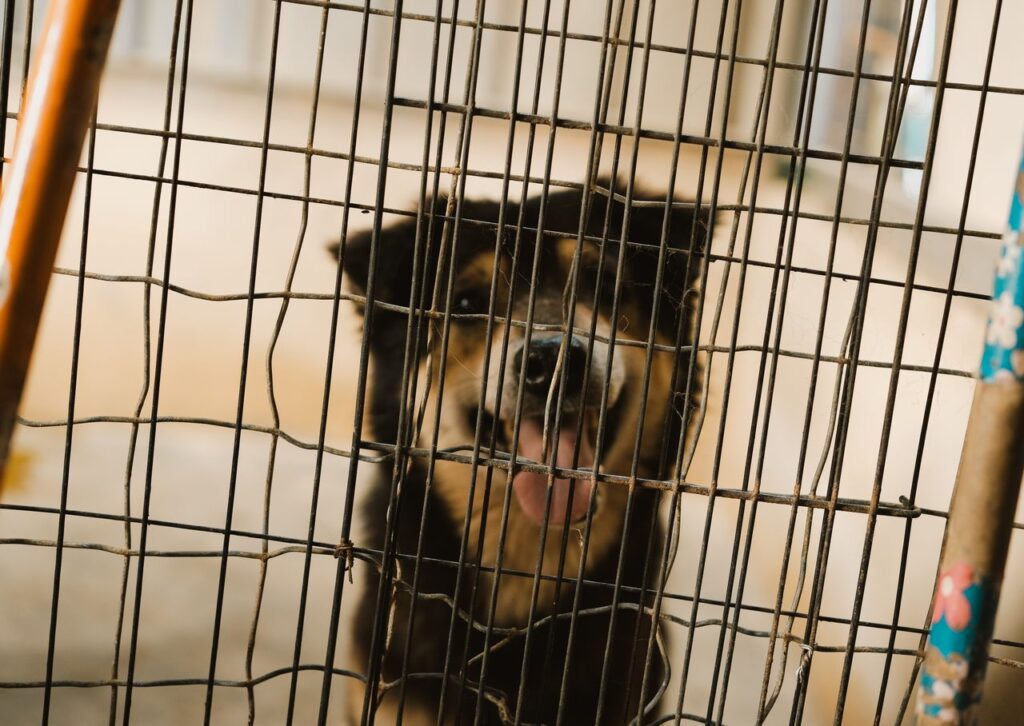
Where to Take a Stray Dog
Once you’ve secured a stray dog, you’ll need to decide where to take them. Your options depend on your location, available resources, and whether you’re able to provide temporary care.
Local Animal Shelters and Municipal Facilities
For most people, the local animal shelter is the most straightforward option when figuring out where to take a stray dog.
What to Expect When Surrendering a Found Dog
When you bring a found dog to a shelter, staff will ask you to fill out intake paperwork. This typically includes where you found the dog, when you found them, and any observations about their behavior or condition. Without the appropriate intake information, the shelter professionals may miss opportunities to return the dog to his owner. Be as detailed as possible about where you found the dog, as owners often search in that specific area.
The shelter will scan for a microchip, assess the dog’s health, and place them in a holding area. You may be asked if you’d like to be notified if the owner isn’t found, in case you’re interested in adopting.
Understanding the Stray Hold Process
The holding period allows owners who have lost their pets adequate time to contact the shelter and reclaim their animals. During this time, the dog cannot be adopted out, transferred, or euthanized (except in cases of severe illness or injury). The shelter will attempt to locate the owner through the microchip, posted notices, and by responding to inquiries from people searching for lost pets.
Where Can I Bring a Stray Dog If Shelters Are Full?
Sadly, it’s very common for shelters to have too many animals and not enough adoptions, especially for dogs, forcing staff to make difficult decisions about how to manage limited space. If your local shelter is at capacity, you still have options.
Rescue Organizations and Foster Networks
Many breed-specific and all-breed rescue organizations operate foster networks that can take in stray dogs. Search for rescues in your area and reach out to explain the situation. Some rescues will pull dogs from shelters or accept them directly from finders. Social media groups dedicated to local pet rescue can also connect you with foster volunteers.
Veterinary Clinics That Accept Strays
Some veterinary clinics will temporarily house stray animals, especially if the dog needs immediate medical attention. Call ahead to ask about their policies. Even if they can’t keep the dog, they can scan for a microchip and may know of local resources. Emergency veterinary hospitals often have connections to rescue organizations.
Can You Keep the Dog Temporarily?
If you have the space and ability to care for a found dog temporarily, this can be a great option that keeps the dog out of the shelter system while the search for their owner continues.
Fostering a Found Dog During the Stray Hold Period
If you intend to keep the stray, you should still file a found dog report with local authorities and animal groups. Some municipalities have formal foster programs for found pets, while others simply require you to report the found animal within a specific timeframe.
If the animal is a stray dog that is not wearing a license tag, and the person finding the animal wishes to provide the animal with home care, they should notify the nearest city animal shelter that the animal is in their possession and provide a description of the animal, the location where the animal was found, the location where the animal will be maintained, as well as the person’s name, address, and contact information.
Your Responsibilities as a Temporary Caretaker
You are responsible for protecting others from the dog. (As is any person caring for any dog.) Keep the stray separated from your own pets until you know their health and vaccination status. Provide basic needs: food, water, shelter, and a safe space to rest. Continue active efforts to find the owner through online postings, flyers, and community outreach.
How to Find the Dog’s Owner: Reunification Steps
Finding a lost dog’s owner is often a detective mission that combines technology, community outreach, and good old-fashioned legwork. The faster you act, the better the chances of a happy reunion.
Check for Identification Tags and Collars
The simplest path to reunification starts with the dog themselves.
What to Do If You Find Contact Information
If the dog has tags with a phone number, try calling immediately. Leave a voicemail if there’s no answer, and send a text message as well since many people respond faster to texts. Be patient, as the owner may be at work, dealing with an emergency, or frantically searching and unable to answer. Include a photo in your text message if possible.
Reading Rabies Tags and License Numbers
Even if there’s no phone number, other tags can help. Rabies tags are issued by veterinary clinics and include a tag number and the clinic’s name. Call the clinic, provide the number, and they can look up the owner’s information. License tags are issued by your city or county and can be traced through animal control or the licensing department. These tags are like a direct line to the owner’s identity.
Scan for a Microchip
If you’ve found a stray dog, scanning for a microchip is one of the fastest and most reliable ways to identify the owner. Microchipping has become standard practice in the U.S., meaning there’s a real chance the dog’s owner is just one scan away.
Where to get a free scan:
- Most animal shelters and veterinary clinics offer free microchip scans with no appointment needed
- Some pet stores also provide this service
- Simply walk in, explain you found a stray, and the scan takes just a few seconds. It’s completely painless for the dog
- Many shelters and veterinarians are actually required by law to scan stray animals for chips
Once you have the microchip number, visit the AAHA Universal Pet Microchip Lookup Tool. Enter the number to identify which registry the chip is enrolled with, then contact that registry to report the found pet. For privacy reasons, the tool won’t display the owner’s contact information directly. The registry will reach out to the owner on your behalf.
Post a Found Dog Report Online
In today’s connected world, online platforms are often the fastest way to reach a searching pet owner.
Using PawBoost to Alert Your Community
At PawBoost, we’ve built our platform specifically for situations like this. When you post a found dog alert with us, we immediately spread the word to thousands of local pet lovers in your area. Our community includes pet parents, rescuers, shelter volunteers, and neighbors who keep their eyes open for lost and found pets.
Creating a found pet alert takes just minutes. Include clear photos, the location where you found the dog, a physical description, and any identifying features like collar color or unique markings. We’ll push your alert to our local network, and it will appear in search results when pet owners look for their missing dog.
Social Media and Neighborhood Apps
You can supplement your PawBoost alert with posts on other platforms. Facebook lost and found pet groups for your area can be incredibly active. Nextdoor allows you to post to neighbors in the immediate vicinity. The key is reaching as many local eyes as possible.
Create and Distribute Found Dog Flyers
Despite our digital age, physical flyers remain one of the most effective tools for reuniting pets with their families.
What Information to Include
- A large, clear photo of the dog
- The word “FOUND” in big, bold letters
- The date and location where you found the dog
- A brief physical description (breed, color, size, gender if known)
- Your contact phone number or email
- Do not include every identifying detail; hold back one or two features so you can verify true owners
PawBoost provides a free printable flyer template when you report a found pet, making it easy to create professional-looking flyers quickly.
Where to Post Flyers in Your Neighborhood
Focus on high-traffic areas near where you found the dog. Good spots include community bulletin boards at grocery stores, libraries, coffee shops, and pet supply stores. Utility poles and intersections where people stop are also effective. Try walking in the neighborhood where you found the dog. Many pets are reunited with their owners within minutes or hours without ever leaving the neighborhood. For more guidance, check out our article on where to post lost pet flyers legally.

What Can I Feed a Stray Dog: Safe Food and Water Guidelines
A hungry, thirsty dog needs your help, but it’s important to approach their nutrition carefully.
Immediate Hydration and Nutrition Needs
Water is the priority. A dehydrated dog needs fluids before food. Offer fresh, clean water in a shallow bowl, and let them drink at their own pace. Don’t force them to drink, and don’t offer excessive amounts at once if the dog seems extremely dehydrated, as gulping too much water too fast can cause vomiting.
Safe Human Foods You Can Offer
If you don’t have dog food on hand, several human foods are safe options:
- Plain cooked chicken: Easy to digest and appealing to most dogs
- Plain white rice: Gentle on an upset stomach
- Plain scrambled eggs: A good protein source
- Unseasoned cooked ground beef: Drain the fat first
- Plain canned pumpkin (not pie filling): Helps with digestion
- Plain cooked sweet potato: Nutritious and gentle
Offer small portions initially. A dog who hasn’t eaten in a while can get an upset stomach from eating too much too fast.
Foods to Avoid That Are Toxic to Dogs
Never give a stray dog any of the following foods that are toxic to pets:
- Chocolate (all types)
- Grapes or raisins
- Onions or garlic
- Xylitol (artificial sweetener found in many products)
- Alcohol
- Macadamia nuts
- Avocado
- Caffeine
- Fatty foods or foods with heavy seasoning
When in doubt, stick to plain, simple options or wait until you can get proper dog food. Be aware of other potentially dangerous household items that could harm the dog.
When to Withhold Food
If the dog is vomiting, has bloody diarrhea, appears extremely bloated, or refuses water entirely, withhold food and seek veterinary care as soon as possible. A dog who is severely emaciated needs careful refeeding under veterinary guidance, as “refeeding syndrome” can occur when a starving animal eats too much too quickly. Dogs who appear disoriented, have labored breathing, or show signs of severe illness should see a vet before eating. If you suspect the dog ingested something toxic, contact ASPCA Animal Poison Control immediately.
How Long Before a Stray Dog Is Legally Yours: Understanding Stray Hold Laws
One of the most common questions we hear is “how long before a stray dog is legally yours?” The answer depends on where you live and the circumstances of finding the dog.
What Is a Stray Hold Period?
A stray hold period refers to the minimum amount of time that a government-run facility, or an agency operating under contract with the government, must keep an impounded animal before it can be adopted out, transferred, or euthanized. These laws exist primarily to give pet owners a reasonable window to locate and reclaim their animals.
Stray hold periods serve an important role for both animals and the people who love them. When a pet goes missing, owners often need several days just to realize what happened and begin searching. These legally mandated waiting periods prevent a lost animal from being permanently placed or euthanized before its family has a realistic chance to find it. Beyond the individual impact, shelters that follow and respect these requirements tend to build stronger relationships with the communities they serve.
Stray Hold Periods Vary by State and Locality
There’s no national standard for stray hold periods, which means the rules change depending on where you are.
Examples of Hold Periods Across the U.S.
Hold periods vary significantly from state to state. Hawaii has one of the shortest requirements at just 48 hours, while Missouri allows owners up to 10 days to reclaim their pet. Most states fall somewhere in between, with the majority requiring facilities to wait between 3 and 5 days before taking any permanent action.
Here are some specific examples:
- In California, the required holding period for a stray dog is six business days, not including the day of impoundment.
- According to North Carolina law, shelters are required to hold a stray animal for at least 72 hours, allowing the owner time to reclaim it.
- In Maine, specific procedures for stray dogs are outlined in state statute.
- The City of Oakland, CA notes that stray hold periods vary between 4–10 days.
- Cobb County, GA holds pets for five working days.
How Identification Affects the Hold Period
In some states, if an impounded dog is wearing tags or carries any form of identification such as a microchip or tattoo, the facility is legally required to attempt to notify the owner directly. This notification can take different forms depending on local regulations, ranging from a certified letter sent to the owner’s last known address to a public notice posted at the shelter.
Where these notification requirements exist, the official hold period does not begin until that notice has been issued. As a result, an identified dog may actually spend more time in the facility than one with no identification at all, which ultimately works in the owner’s favor by extending the window available to reclaim their pet.
What Happens After the Stray Hold Expires?
Once the holding period ends without an owner coming forward, the dog is typically made available for adoption or transfer to a rescue organization. If you wish to keep the dog, you will need to go through your local shelter’s standard adoption process, which may include requirements such as spaying/neutering or microchipping depending on the facility and your state’s regulations.
If you have been fostering the dog during the hold period, some shelters may give you priority consideration when it becomes available for adoption. However, this is not a universal policy, so it is worth checking directly with your local shelter about how they handle these situations.
Why You Can’t Simply “Keep” a Found Dog
In the United States, pets are generally considered personal property under the law, and this applies to stray domestic animals as well. In most jurisdictions, simply keeping a stray dog without going through proper channels could expose you to legal risk, including accusations of theft by the original owner.
While laws vary by state, the safest and most legally sound path to ownership is adopting through an animal control agency or a rescue organization that has taken the animal in after the mandated hold period has been served. This process protects you legally and ensures the original owner had a fair opportunity to reclaim their pet.
Beyond the legal considerations, bringing a stray dog into your home is a decision worth thinking through carefully. Consider your readiness for long term dog ownership, the financial responsibilities involved, and discuss it with your family before committing. Taking in a dog impulsively, only to surrender it later, is a difficult outcome for both you and the animal.

How to Deal with Stray Dogs Humanely: Community Solutions
Dealing with repeat strays in your neighborhood calls for more than a one-time fix. Here are some of the most effective and humane approaches.
- Report consistently If you see the same dogs loose regularly, document the dates, times, and locations and share that information with animal control. Patterns help officers identify whether the animals have negligent owners, are truly homeless, or belong to a larger free-roaming population. Detailed, consistent reports make a real difference when resources are limited.
- Take advantage of community programs Many areas offer resources designed to address stray populations at the root level, including low-cost fencing assistance for owners who struggle to contain their pets, pet food banks, and veterinary assistance programs that help owners keep their animals rather than abandoning them.
- Support spay/neuter initiatives The most effective long-term solution is preventing unwanted litters. Low-cost spay/neuter clinics make it affordable for pet owners to fix their animals. Some communities also apply TNR (Trap-Neuter-Return) principles to free-roaming dog populations, though this approach is more established for community cats. You can support these efforts through donations, volunteering, or simply spreading awareness.
Safety Concerns When Helping a Stray Dog
Helping a stray dog is a kind act, but it comes with real risks worth taking seriously. Taking a few basic precautions protects both you and any pets you have at home.
Disease and infection risks
Stray dogs with unknown vaccination histories can carry diseases transmissible to humans or other animals. Rabies is the most serious example, but strays may also carry parasites, skin conditions, or bacterial infections. Avoid direct contact with saliva, wounds, or feces, and always wash your hands thoroughly after handling a stray.
If a stray dog bites you, wash the wound with soap and water for at least five minutes, apply an antiseptic, and seek medical attention promptly even if the bite seems minor. Let your healthcare provider know the dog was a stray with unknown vaccination history. They will assess whether rabies post-exposure treatment is needed and may prescribe antibiotics. Do not wait for symptoms to appear. Rabies is nearly always fatal once they do, but is preventable when treated early.
Protecting your pets at home
If you bring a stray into your home temporarily, keep it completely separated from your own animals. Use a separate room with its own food and water bowls, and avoid shared bedding. Wash your hands between handling the stray and your own pets. Schedule a veterinary checkup as soon as possible so the dog can be assessed for parasites, disease, and overall health before any introduction to your other animals.
Finding a stray dog is an opportunity to make a real difference in both the animal’s life and in the life of a worried family. By following the steps in this guide, approaching the situation with care, and utilizing tools like PawBoost to spread the word, you dramatically increase the chances of a happy reunion.
Remember, you’re not alone in this. Our community of pet lovers stands ready to help. Post your found pet alert, share it widely, and let’s work together to bring that pup home where they belong.

Frequently Asked Questions About Finding a Stray Dog
What Should I Do If I Find a Stray Dog at Night?
Most shelters and animal control agencies don’t accept strays after hours unless it’s an emergency. If you can’t reach anyone, keep the dog safely contained in a separate room overnight. Call your local non-emergency police line for guidance, and return to the area where you found the dog the next morning in case the owner is searching nearby.
Can I Get in Trouble for Keeping a Stray Dog?
Yes, potentially. Pets are considered personal property, and the original owner could legally reclaim the dog at any time if you never went through proper channels. The safest path is to report the dog to animal control and, if you wish to keep it, go through the official adoption process once the stray hold period has expired.
What if the dog has no collar or microchip?
You’ll need to rely on active outreach. Post found alerts on social media and platforms like PawBoost, put up flyers near where you found the dog, and file a found report with your local shelter. The search may take longer without identification, but many dogs are still reunited with their owners through community efforts.
How Do I Know If a Dog Is Lost or Abandoned?
There’s no guaranteed way to tell, but some signs suggest a dog may be lost rather than abandoned: a friendly demeanor, healthy weight, recent grooming, or a collar. Signs of possible abandonment include severe matting, untreated injuries, or extreme fearfulness. Either way, always make reasonable efforts to find an owner before drawing conclusions.
Should I Take a Stray Dog to the Vet?
If the dog appears injured or ill, yes. Many vets will provide basic care for strays and most will scan for a microchip at no charge. Keep in mind that you may be responsible for any costs incurred, though some shelters and rescues offer assistance for found animals.