
How Far Can Dogs Travel When They Are Lost?
When a dog goes missing, one of the first questions an owner asks is, “How far can my dog travel when lost?” The answer depends on several factors, including the dog’s breed, age, temperament, and environmental conditions. Some dogs stay close to home, while others can travel miles in just a day. Understanding how far lost dogs can go helps shape a search strategy to increase the chances of a safe return.
The Basics of Lost Dog Behavior
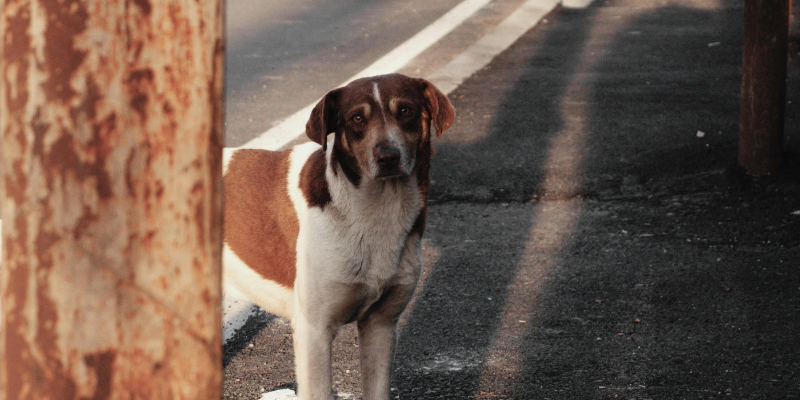
Lost dogs do not typically travel the maximum distance they are capable of covering. Instead, they often seek out familiar landmarks or places that provide food and shelter. A dog’s reaction to being lost varies—some may hide, while others may continue moving. The sooner you begin searching, the better your chances of finding your lost pet before they wander too far.
Key Factors Influencing How Far a Lost Dog Can Travel
Dog’s Physical Condition and Breed
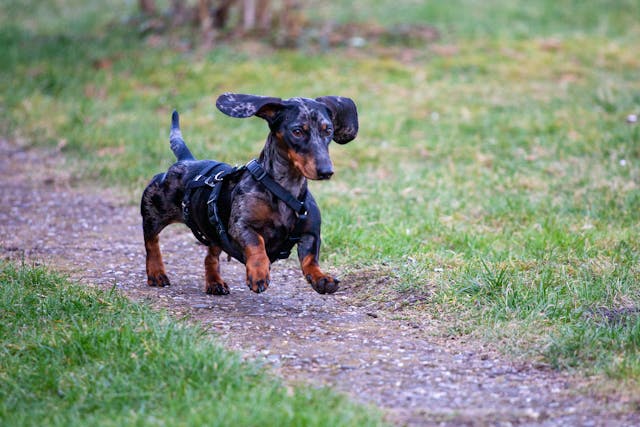
A dog’s breed and physical condition significantly impact how far they can travel when lost. High-energy breeds like Huskies, Border Collies, and German Shepherds can cover extensive distances, sometimes traveling over 10 miles in a day. Smaller breeds or older dogs, on the other hand, may stay within a mile or two of where they went missing.
A healthy, athletic dog can run for hours, especially if frightened. Injured, sick, or overweight dogs, however, may not travel very far. This is crucial to consider when determining the areas to focus on during a search.
Environmental Conditions
The environment plays a significant role in determining how far a lost dog can go in a day. In urban settings, obstacles such as busy streets, buildings, and human activity might prevent a dog from traveling long distances. However, dogs may navigate through alleys, parks, and backyards.
In rural or wooded areas, a dog may travel farther since there are fewer immediate dangers. They may follow trails, streams, or even roads in search of food and shelter. Weather conditions also influence how far a dog will go. Cold weather or extreme heat may cause a lost dog to slow down and seek shelter sooner.
Dog’s Temperament
A dog’s personality can determine how far they travel when lost. Outgoing and confident dogs may be more likely to approach people, reducing the distance they travel before being found. Shy or fearful dogs, however, may avoid human contact and continue moving, increasing their travel distance. A frightened dog may run several miles before stopping, making it harder to track them.

A Rough Estimate: 1 to 4 Miles
While every case is different, lost dogs typically travel between 1 and 4 miles in a day. However, there have been cases where dogs have traveled much farther—sometimes covering 10 miles or more if they are highly motivated or scared. Some lost dogs stay in the same area for days, while others may be picked up and transported, making their location unpredictable.
Techniques and Tips for Long-Range Situations
If your dog has been missing for an extended period, it is essential to adjust your search strategy to account for longer travel distances.
Expand the Search Radius
Start by searching within a 1- to 2-mile radius of where your dog was last seen. If there are no sightings, expand the radius to 5 miles or more. Talk to neighbors, local businesses, and delivery drivers who may have seen your dog on their routes.
Contact More Shelters and Support Services
Many lost dogs are picked up and taken to animal shelters, so it’s important to contact as many as possible in surrounding areas. Provide shelters with a detailed description of your dog, including photos, distinguishing markings, and any medical conditions.
Use Online Tools to Reach a Larger Network of People
Social media and online lost-pet platforms like PawBoost are powerful tools for spreading the word about a missing dog. Posting in local lost-and-found pet groups increases visibility. Some lost dogs have been found miles away because someone saw a social media post and recognized them.

Community and Technology: Allies in the Search
Finding a lost dog is a community effort. Neighbors, animal control officers, and local rescue groups can all play a role in reuniting you with your pet. Using technology, such as GPS trackers and lost-pet alerts, can improve your chances of finding your dog quickly. Apps and websites like PawBoost help amplify your message and notify local shelters and pet finders instantly.

Real-Life Stories of Missing Dogs Reunited
Many lost dogs have been reunited with their owners, thanks to diligent searching, community involvement, and technology. Some dogs were found within hours, while others were located days or even weeks later. Check out our Happy Tails to read real stories of lost pets reunited with their families.
If your dog ever goes missing, don’t lose hope. Understanding how far a dog can travel when lost and using the right tools and strategies can make all the difference in bringing your furry friend home safely.
Comments are closed.