
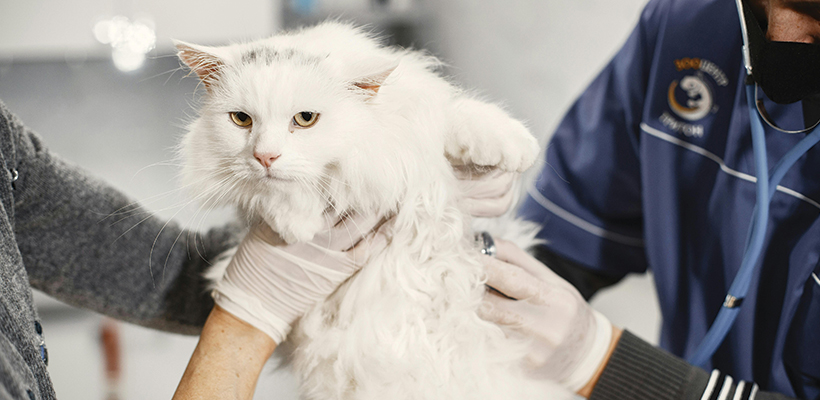
Why You Should Microchip Your Cat
Cats have a reputation for independence, but that independence can work against them when they go missing. Unlike dogs, lost cats are far less likely to be recovered through traditional channels. Cats without microchips were reunited with their owners only 1.8% of the time, whereas microchipped cats went home 38.5% of the time, according to a landmark study published in the Journal of the American Veterinary Medical Association.
That gap is not a coincidence. It is largely the result of cats going unidentified when they enter shelters, and microchipping is the most effective tool available to close it.
This article covers everything cat owners need to know about microchipping: where chips are placed, how to tell if your cat already has one, what the procedure involves, and why it matters more for cats than most owners realize.
Why Cats Are Especially Vulnerable When Lost
The assumption that indoor cats cannot go missing is one of the most common and costly misconceptions among cat owners. Research into missing cat behavior has found that a significant proportion of missing cats are indoor-only pets, demonstrating that no cat is entirely safe from displacement.
Cats go missing for a variety of reasons, and their behavior once lost makes recovery particularly challenging:
- Escaped indoor cats tend to hide in silence very close to home, often within a 50-meter radius of their escape point, making them hard to spot even during active searches
- Outdoor cats that suddenly vanish have usually been injured, trapped, or displaced by a threat such as another animal or a loud noise
- Newly moved cats are at high risk of escaping and becoming disoriented in unfamiliar surroundings
- Cats being transported frequently escape from carriers at veterinary clinics, boarding facilities, or during travel
Only 14% of cats were wearing any visual identification at the time they went missing, and only 7% had a microchip, according to a study published in the JAVMA. Without a microchip, a lost cat arriving at a shelter has almost no way to be traced back to its owner.

How Microchipping Improves Your Cat’s Chances of Coming Home
The statistics for cats are even more striking than for dogs. Only one in 50 cats in animal shelters was returned to their owners, but when microchipped, nearly two out of five cats were reunited with their families, according to the AVMA.
That improvement, from 1.8% to 38.5%, represents a more than 20-fold increase in the likelihood of reunion. No collar, tag, or GPS tracker can replicate what a microchip provides once a cat is inside a shelter: a direct, permanent link to its owner’s contact information.
Where Are Microchips Placed in Cats?
In cats, the microchip is implanted just beneath the skin between the shoulder blades, along the upper back. This location is chosen because the skin there is loose, making insertion straightforward and minimally uncomfortable. The chip stays in place through the natural attachment of surrounding tissue and does not require any stitches or dressing afterward.
The procedure takes only a few seconds and can be performed during any routine veterinary visit, with no anesthesia required.
How to Tell If Your Cat Is Already Microchipped
If you have adopted a cat or are unsure of its history, the simplest way to check is to ask your veterinarian to scan it at your next visit. The scan takes just a few seconds and will confirm whether a chip is present and whether it is readable.
You can also use the AAHA Universal Microchip Lookup Tool, which searches multiple registries simultaneously. If a chip is found but is registered to a previous owner or shelter, contact the registry directly to request a transfer of ownership.
A 15-digit number starting with 9 indicates an ISO-compliant chip. A 9 or 10-digit code suggests an older, non-ISO chip, which may require a universal scanner to be detected.
When Should You Microchip Your Cat?
The sooner the better. Kittens can be microchipped as early as 6 to 8 weeks old, and most veterinarians recommend doing it around the time of the first vaccination visit. Convenient moments to consider include:
- During the first vet visit after bringing a kitten home
- At the time of spaying or neutering, when the cat is already under anesthesia
- At the first appointment after adopting an adult cat, if no chip is confirmed
- Before any international travel, where an ISO-compliant chip is typically required
There is no age limit for microchipping. If your cat does not yet have a chip, any routine visit is the right time to get it done.
Can You Track a Microchipped Cat?
This is one of the most common questions cat owners ask, and the answer is no. A microchip is a passive identification device, not a GPS tracker. It has no battery and cannot broadcast a signal. It only transmits a unique ID number when a compatible scanner is held close to it.
If real-time location tracking matters to you, a GPS-enabled collar or tag is a separate tool that can complement a microchip. The two serve very different purposes:
- The microchip provides permanent identification that works even if the collar is lost
- The GPS tracker provides real-time location data but requires a charged battery and can be removed
For cats that spend time outdoors, combining both offers the strongest safety net available.
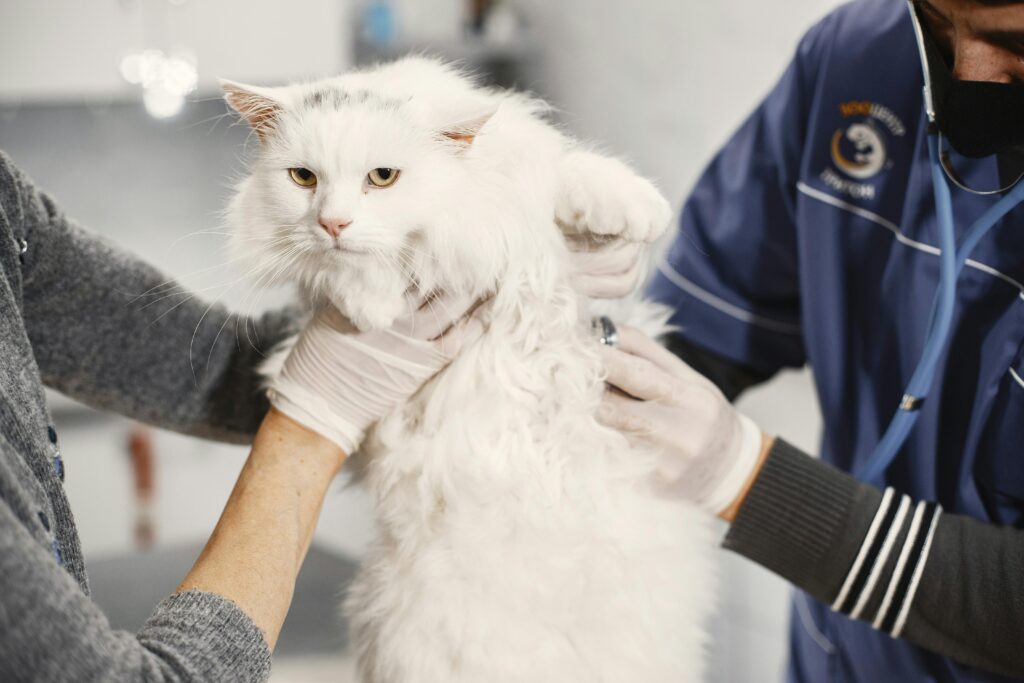
Where to Get Your Cat Microchipped
Microchipping is widely available and affordable in the U.S in 2026. Your main options are:
- Your veterinarian: The most common and recommended option, generally costing between $40 and $60, and easily combined with any routine appointment
- Animal shelters and rescue organizations: Many offer microchipping at reduced rates of $20 to $50, often included in adoption fees
- Low-cost microchipping events: Clinics and shelters frequently run promotions throughout the year, particularly around August 15, National Check the Chip Day, and during hurricane season
Whichever option you choose, make sure to register the chip immediately afterward. The procedure itself is only half the job.
Common Mistakes Cat Owners Make With Microchips
Many cat owners who take the step of microchipping their cat still fall short on the details that make it effective:
- Assuming indoor cats do not need one: As noted above, indoor cats make up a significant proportion of missing cat cases
- Not registering the chip: A chip with no registry entry is untraceable. Register immediately after the procedure
- Outdated contact information: A change of phone number or address that is not updated in the registry is one of the leading reasons microchipped cats are not returned to their owners
- Not verifying the chip at adoption: If you adopt a cat, always confirm the chip number and transfer ownership into your name before leaving the shelter
- Skipping annual scans: Ask your vet to scan the chip at every checkup to confirm it is still readable and has not migrated
A microchip is only as effective as the information behind it. Taking five minutes to register, update, and verify your cat’s chip could make all the difference when it matters most.
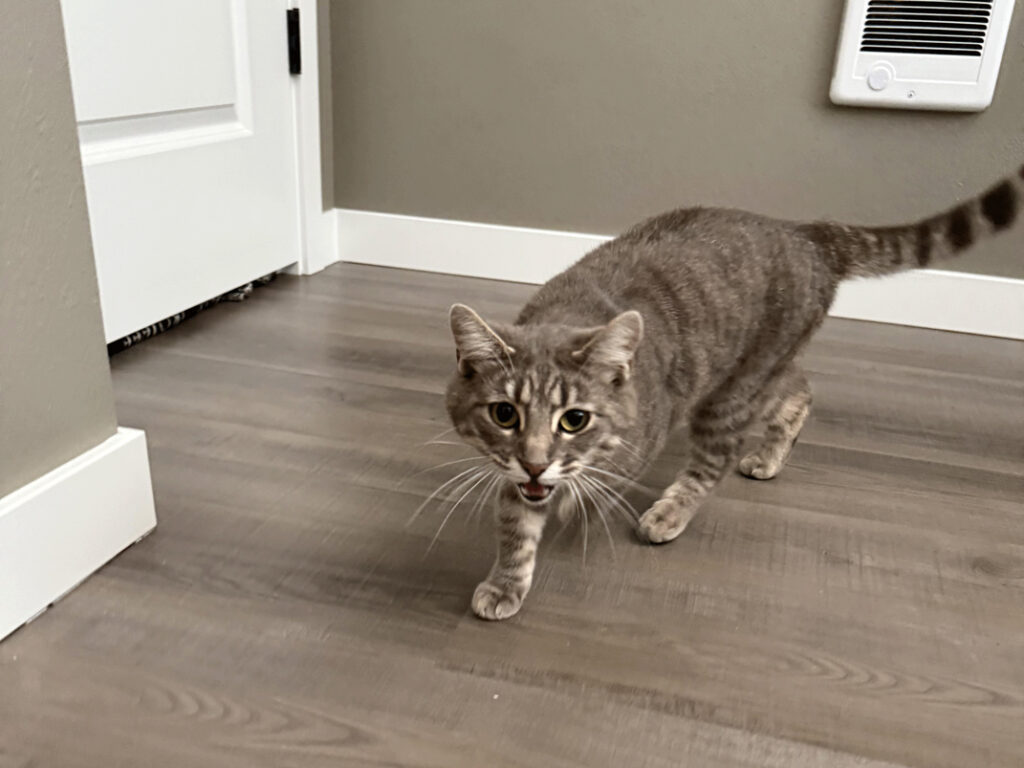
Real Story: How Lulu Found Her Way Home
A cat named Lulu went missing and later appeared at an apartment complex. Staff believed she belonged to a former tenant and reached out, thinking she may have been left behind. Although the former tenant was not Lulu’s owner, they took her in and began searching for her family.
Lulu was brought to a local vet to have her microchip scanned, but the chip was registered under a different name, making reunification more difficult.
While continuing to search online, the finder came across a PawBoost post for a missing cat named Lulu in the same area. The photo matched the cat they had found, so they immediately contacted the owner through PawBoost.
After being missing for 6 days, Lulu was reunited with her family the very next morning.
An outdated microchip can delay or even prevent a pet from being reunited with their family. In this case, PawBoost helped connect the right people at the right time and made a happy reunion possible.
Conclusion
A microchip cannot prevent your cat from going missing, but it can be the difference between a close call and a permanent loss. Combined with a PawBoost community alert and an up-to-date registry, it gives every lost cat the best possible chance of making it home.
If your cat is not yet microchipped, or if you are unsure whether their chip is registered and current, there is no better time to find out. For everything else you need to know about pet microchips, visit our complete pet microchipping guide or our article about the importance of microchipping your dog. And if your cat ever goes missing, post a lost pet alert on PawBoost to reach your local community immediately.
Frequently Asked Questions
Where do they put microchips in cats?
The chip is implanted just beneath the skin between the shoulder blades, along the upper back. The location is chosen for its loose skin, which makes insertion quick and minimally uncomfortable.
How to check if a cat is microchipped?
Ask your veterinarian to scan the cat at your next visit. Alternatively, use the AAHA Universal Microchip Lookup Tool to search for a chip number across multiple registries.
What is microchipping a cat?
Microchipping a cat is a quick, minimally invasive procedure in which a tiny electronic chip, roughly the size of a grain of rice, is implanted beneath the skin between the shoulder blades. The chip stores a unique identification number that can be read by a scanner at any veterinary clinic or animal shelter. That number is linked to the owner’s contact details in a pet microchip registry, making it possible to reunite a lost cat with its owner even if the cat has no collar or tags.
Can you track a microchipped cat?
No. A microchip is a passive identification device with no GPS capability. It can only be read when a compatible scanner is held close to it. For real-time tracking, a GPS-enabled collar or tag is required.
How do cat microchips work?
The chip uses RFID technology. It remains dormant until a scanner passes close enough to activate it, at which point it transmits a unique identification number. That number is then looked up in a pet microchip registry, which returns the owner’s contact information.
Where can I get my cat microchipped for free?
Some animal shelters, rescue organizations, and low-cost clinics offer free or heavily discounted microchipping during promotional events. Check with your local shelter or look for events.