
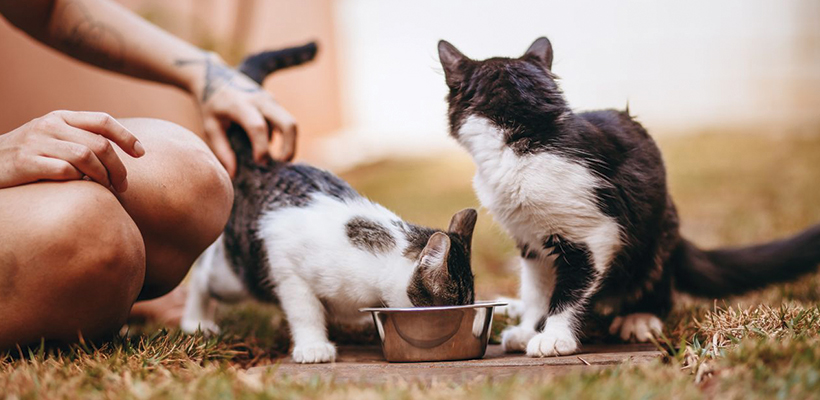
Should You Feed Feral Cats? What You Need to Know
You’re heading out one morning and there they are again: a couple of cats watching you warily from under a parked car or the edge of your yard. They look thin, they scatter the moment you step closer, and you find yourself wondering, should I put some food out for them, or would that just make things worse?
It’s one of the most common questions people ask when feral and community cats turn up in their lives, and the honest answer is that it’s genuinely debated, even among people who care deeply about animals. Feeding feral cats can be an act of real compassion, but it also comes with responsibilities and consequences worth understanding first. At PawBoost, we’ve helped reunite millions of lost pets with their families, and we believe the best decisions come from good information. So rather than simply tell you what to do, this guide lays out both sides of the question, the practical realities, and exactly how to feed responsibly if you choose to, so you can make the right call for your situation.
Understanding Feral Cats and Community Cat Care
What Are Feral Cats vs. Stray Cats?
Before deciding anything, it helps to know what kind of cat you’re looking at, because the answer changes everything you do next.
A stray cat is a former pet, one that was lost or abandoned and is now fending for itself outdoors. Strays were once socialized to people, so even a frightened one may eventually approach you, make eye contact, meow, or come around for food. Importantly, a stray may be someone’s missing companion, which means feeding it without trying to find the owner could keep a lost pet from getting home.
A feral cat, by contrast, was typically born and raised outdoors with little or no human contact. Ferals are not socialized to people, tend to avoid humans entirely, and usually don’t become comfortable indoor pets as adults, even with patient care. For most adult ferals, the best life is a managed one outdoors.
This distinction matters because it shapes your expectations and your approach. A stray might become an adoptable indoor pet or be reunited with its family; a feral is usually best served by compassionate outdoor care. A quick tell: a cat that willingly approaches you probably isn’t feral. And a cat with a cleanly tipped ear, where the tip has been surgically removed, has already been through a Trap-Neuter-Return program, marking it as a sterilized community cat that someone is likely already caring for.
Why Feeding Connects to TNR
Feeding feral cats isn’t only about a full bowl. For many caretakers it’s the first step in Trap-Neuter-Return (TNR), the widely used humane approach to managing community cat populations. In TNR, cats are humanely trapped, spayed or neutered, vaccinated, ear-tipped, and returned to where they live, then fed and monitored by a caretaker.
Feeding makes this possible. Cats fed at the same time and place every day become acclimated to a routine, so when it’s time to trap them for sterilization, you know where they’ll be and when. In fact, many TNR groups won’t accept cats into a program unless someone commits to feeding and caring for the colony afterward. By sterilizing the colony, TNR prevents new litters, which over time means fewer kittens born outdoors and fewer cats entering (and being euthanized in) shelters.
The Role of a Community Cat Caretaker
When you feed and watch over a colony, you become more than a food source. Your regular presence lets you notice when a cat is sick or injured, spot newcomers who still need to be trapped and neutered, and identify pregnant cats or kittens that may need rescue. That ongoing oversight is a big part of what keeps a colony healthy and stable.
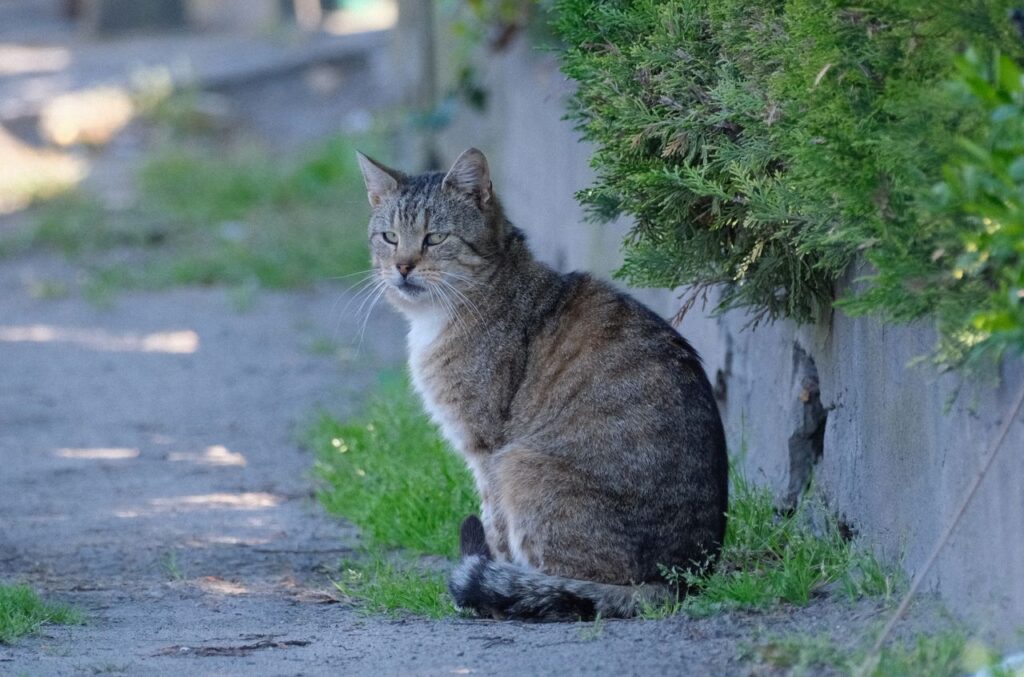
Should You Feed Feral Cats? Weighing the Pros and Cons
There are sincere arguments on both sides of this question. A balanced decision means taking both seriously.
The Case For Feeding
- It’s humane. Feral cats face hunger, illness, and harsh weather. Regular, nutritious food supports their immune systems and improves their quality of life, especially in winter and lean seasons.
- It enables TNR. This is the benefit animal-welfare groups emphasize most. Cats fed on a consistent schedule are far easier to trap for sterilization, which is the single most effective way to humanely shrink a colony over time. Feeding, done as part of TNR, is what makes that management possible.
- It can reduce nuisance behavior. Once a colony is sterilized, the yowling, fighting, spraying, and roaming that generate complaints drop sharply. Some research suggests that regular feeding tied to TNR can actually reduce nuisance complaints rather than increase them.
- It supports health and stability. A well-fed, sterilized colony tends to stay stable, and a stable colony can help keep unfixed newcomers out. Your daily presence also means health problems get caught early.
The Case Against Feeding
- Impact on wildlife. Free-roaming cats are effective hunters, and conservation groups such as the American Bird Conservancy argue that feeding sustains larger cat populations that prey on birds and small mammals. Well-fed cats don’t stop hunting, so feeding can concentrate predators in an area without removing their effect on local wildlife.
- Feeding alone can grow a colony. Wildlife agencies and some scientists point out that a reliable food source raises an area’s “carrying capacity,” potentially supporting more cats, and can make cats more social and less territorial. Feeding without sterilization can expand a colony rather than stabilize it. There’s also ongoing scientific debate about how well TNR shrinks colonies, since studies suggest declines depend on high sterilization rates, high adoption/removal, and few new cats arriving.
- It can attract other wildlife. Food left out, particularly overnight, draws raccoons, skunks, opossums, and rodents, some of which are common rabies-vector species, raising public-health concerns around feeding sites.
- Neighbor and community friction. Feeding can create tension with neighbors, landlords, or homeowners’ associations if cats congregate, leave waste, or damage gardens.
- Hygiene and disease. Unvaccinated ferals can carry parasites and disease, and an unclean feeding site can attract pests and generate complaints.
The Common Ground: Don’t Just Feed, Pair It With TNR
Here’s what cuts through much of the debate. Whichever side you lean toward, the recommendation shared across animal-welfare organizations, and even acknowledged by many critics of feeding, is the same: if you’re going to feed, don’t feed in isolation. Pair it with Trap-Neuter-Return. Feeding without sterilizing is what lets a colony keep growing; feeding as part of TNR turns your daily food run into the mechanism that gets cats fixed and the population stabilized. So before you commit, the most responsible first step is to contact a local TNR or community-cat group, who can lend traps, point you to free or low-cost spay/neuter clinics, and help you do this in a way that genuinely helps.
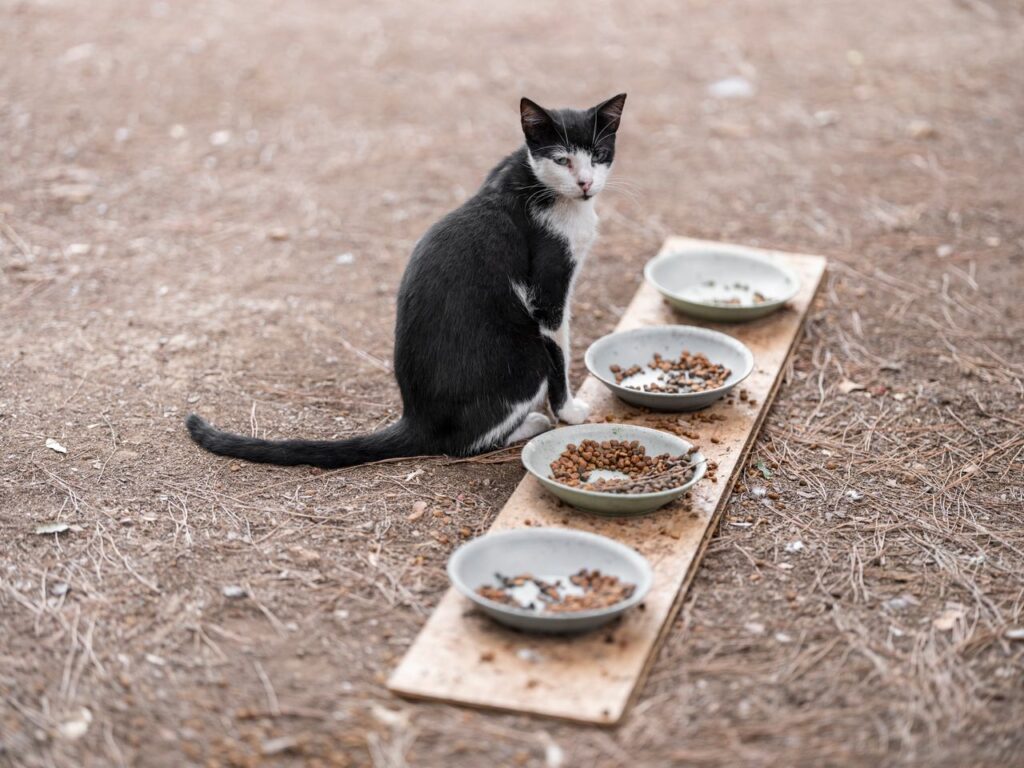
What to Feed Feral Cats: Nutrition Essentials
If you’ve weighed the trade-offs and decided to feed, doing it well addresses many of the downsides above. Start with the food itself.
Wet Food vs. Dry Food
Cats are obligate carnivores, so they need meat-based cat food, not table scraps or fillers. Both wet and dry cat food can nourish a feral cat well; each has trade-offs outdoors.
Wet (canned) food adds moisture that helps with hydration, is easier to eat for cats with dental problems, and has a strong smell that can coax shy, human-wary cats to the bowl. The downside is that it spoils faster, freezes in cold weather, and can attract pests. Dry food (kibble) is more convenient: it lasts longer outdoors, is calorie-dense (a few tablespoons go a long way), makes less mess, and attracts fewer insects. A practical approach many caretakers use is an all-dry diet in warm weather, switching to a wet-and-dry mix when it cools down. Whichever you choose, pick a food where meat, not corn, wheat, or soy, is the main ingredient, and always provide fresh, clean water every day, in all seasons.
How Much to Feed
The right amount depends on the cat’s size, activity, the weather, and what else they’re finding to eat. As a rough guide, an adult feral cat needs somewhere around 200 calories a day, roughly a 5.5-ounce can of wet food plus a small amount of dry food, or more if feeding dry alone. Outdoor cats are more active and burn extra calories staying warm, so they often need more than an indoor cat of the same size; for a sense of how needs scale with weight, see the WSAVA’s feline calorie guide.
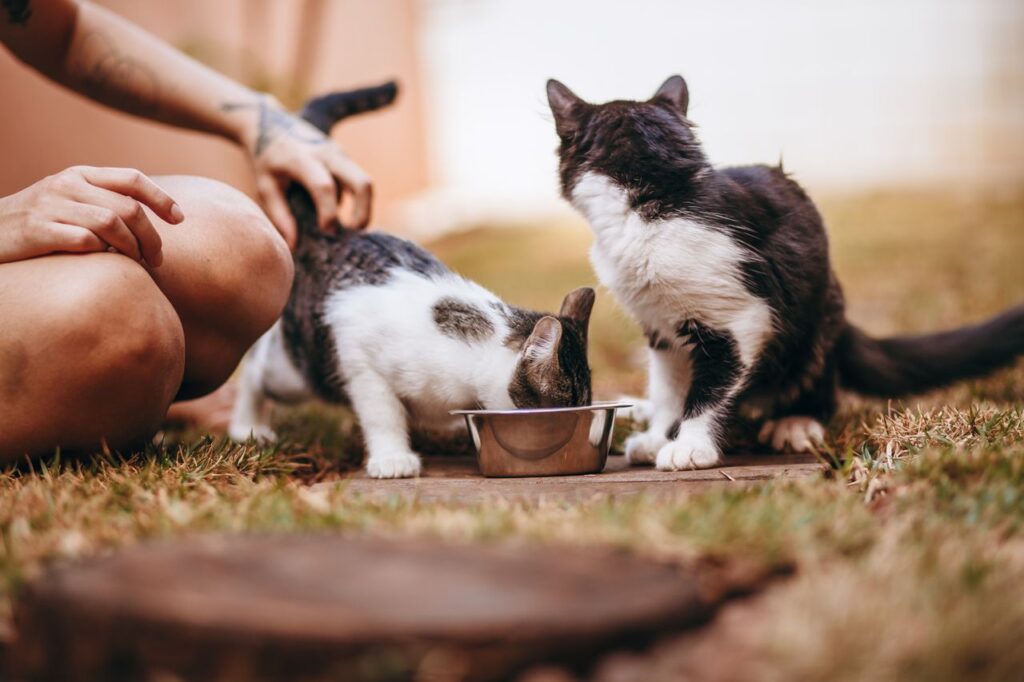
Rather than overthink it, watch the cats. Put food out and see how fast it goes: if it’s gone in under 15 minutes, offer a little more next time; if food consistently sits there past half an hour, offer a little less. Feed once or twice a day at consistent times, and favor daytime feeding (morning and afternoon) so nocturnal animals like raccoons and opossums don’t get to it.
Foods to Avoid
Some common foods are harmful or even toxic to cats, and because cats are obligate carnivores with much stricter dietary needs than dogs, as Dr. Lisa A. Pierson, DVM, explains in her essay Feeding Your Cat: Know the Basics of Feline Nutrition, you can’t assume that what’s safe for a dog is safe for a cat. Never offer feral cats:
- Dog food (it lacks nutrients cats specifically need)
- Cow’s milk and dairy (most cats are lactose intolerant)
- Onions, garlic, and chives (toxic to cats)
- Chocolate and caffeine (toxic)
- Grapes and raisins (can cause kidney problems)
- Alcohol, raw dough, and anything containing xylitol
- Heavily salted, fatty, or seasoned human foods
When in doubt, stick to proper cat food. If you suspect a cat has eaten something toxic, contact the ASPCA Animal Poison Control Center right away.
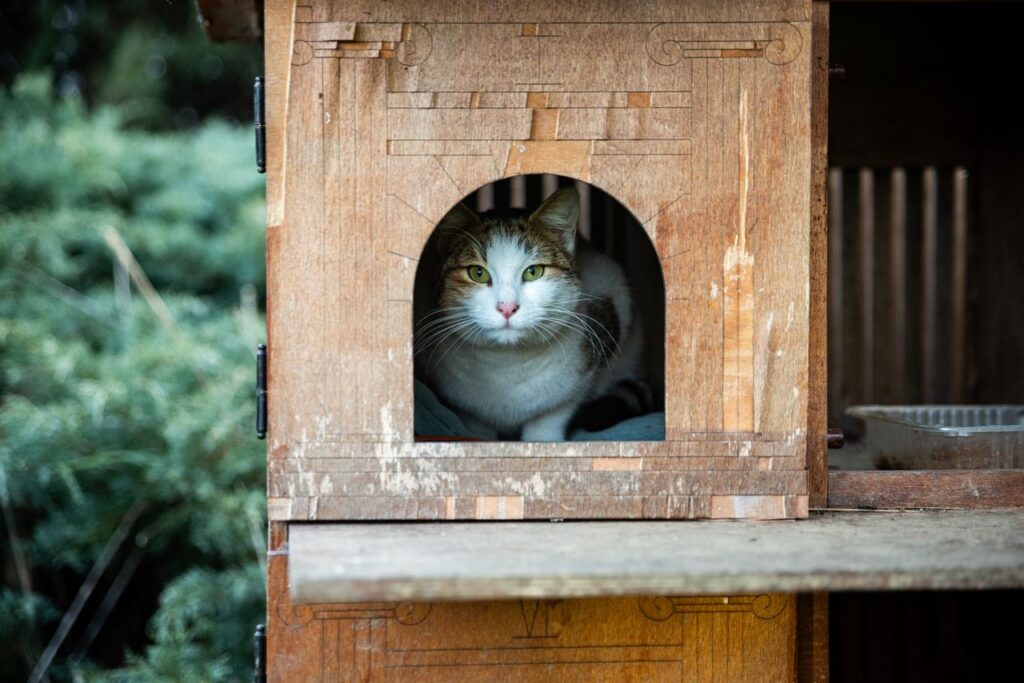
Setting Up a Feral Cat Feeding Station
A simple feeding station makes the whole effort cleaner, safer, and far more neighbor-friendly. It lifts food off the ground and shields it from rain and snow, gives cats a sheltered spot to eat, keeps things tidier, and, because cats return to the same place each day, makes TNR trapping much easier. It also gives the cats a dependable food source so they rely less on scavenging, which reduces conflicts.
Choosing the Right Location
Pick a quiet, sheltered spot away from busy roads and heavy foot traffic, so the cats feel safe enough to eat, and keep the station discreet and low-profile, blending into its surroundings and out of public view. There are two reasons for keeping it low-key:
- Skittish cats won’t approach a busy, high-traffic area in the first place.
- A discreet location draws less attention to where the cats gather, which protects them and reduces the odds of neighbor complaints.
Beyond placement, using dark-colored bowls and picking them up after feeding helps keep the site inconspicuous. And crucially, only feed on property you own or have explicit permission to use, since feeding on someone else’s land without consent invites conflict that can put the cats at risk.
How to Build a DIY Feral Cat Feeder
You don’t need expensive materials to build a feeding station. A common, easy version starts with a sturdy plastic storage bin. You’ll want:
- A plastic or wooden container
- Two heavy bowls that won’t tip (one for food, one for water)
- A box cutter or utility knife
- A drill
- Sandpaper
- A waterproof cover or insulation if your winters are harsh.
The basic steps: cut an entrance hole large enough for a cat to come and go comfortably, leaving a few inches of the wall at the bottom so rainwater doesn’t flood in, then sand any rough edges smooth so no one gets hurt. Set the bowls inside and secure them so they don’t tip or slide. In wet or cold climates, add a waterproof cover or insulation.
A tip many caretakers share: either leave one side fairly open or cut more than one entrance, so a single dominant cat can’t block the doorway and keep others out.
Weatherproofing and Keeping Pests Away
To protect food from rain and snow, place the station in a naturally sheltered spot (under a tree, eave, or covered porch) on top of weatherproofing the bin itself.
To keep raccoons, rodents, and insects away, the most effective tactic is timing: feed during the day and remove all uneaten food before dark, and don’t leave wet food out overnight. Keep the area clean and free of food debris, which is better for the cats’ health and for keeping the peace with neighbors.
Feeding Feral Cats in Winter
Cold weather raises the stakes, and feeding routines need a few adjustments.
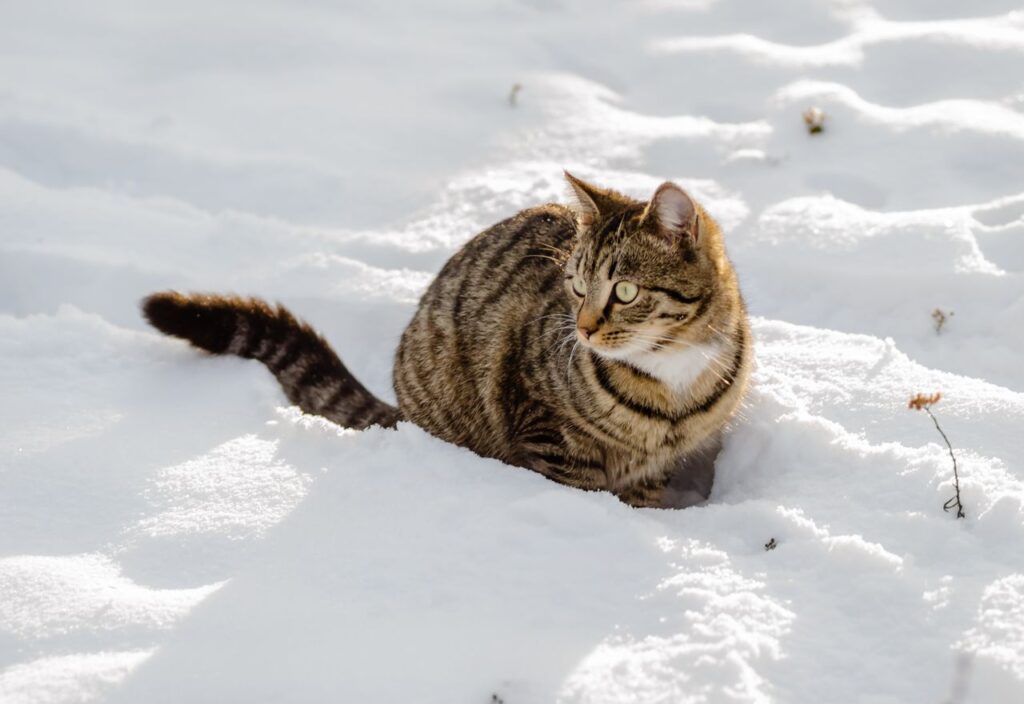
- Increase portions. Cats burn more calories staying warm, so they’ll eat more in winter. Feed larger amounts to help them keep up their body heat, and feed fresh food once or twice daily rather than letting leftovers freeze.
- Keep water from freezing. Use deep (rather than wide) bowls made of thick plastic, never metal, and refill with warm water; place them in sunny spots. If you have access to power, a heated bowl solves the problem outright. Caretakers also insulate the underside of bowls or set them on a microwavable heating pad. Slightly warm water is appreciated and stays liquid longer.
- Choose winter-friendly food. In very cold conditions, wet food can freeze solid and become inedible, so lean more on dry food, which won’t freeze (it just takes a bit more energy to digest), unless you can remove leftovers within an hour or use a heated bowl or insulated station.
- Mind shelter placement. An insulated feeding station built like a cat shelter works best in winter, and elevating it keeps food and water off the frozen ground. Feed near, but not inside, the cats’ sleeping shelter, since feeding inside can trigger fights and spilled water makes a shelter cold and wet. Clear snow from feeding and sleeping areas.
One more important winter point: don’t trap feral cats to bring them indoors for the season. Unsocialized cats find confinement extremely stressful, even if they seem friendly, and community cats are adapted to thrive outside. The kindest help is a proper insulated outdoor shelter (bedded with straw, never hay or blankets, which trap moisture), plus extra food and unfrozen water.
Being a Good Neighbor While Feeding
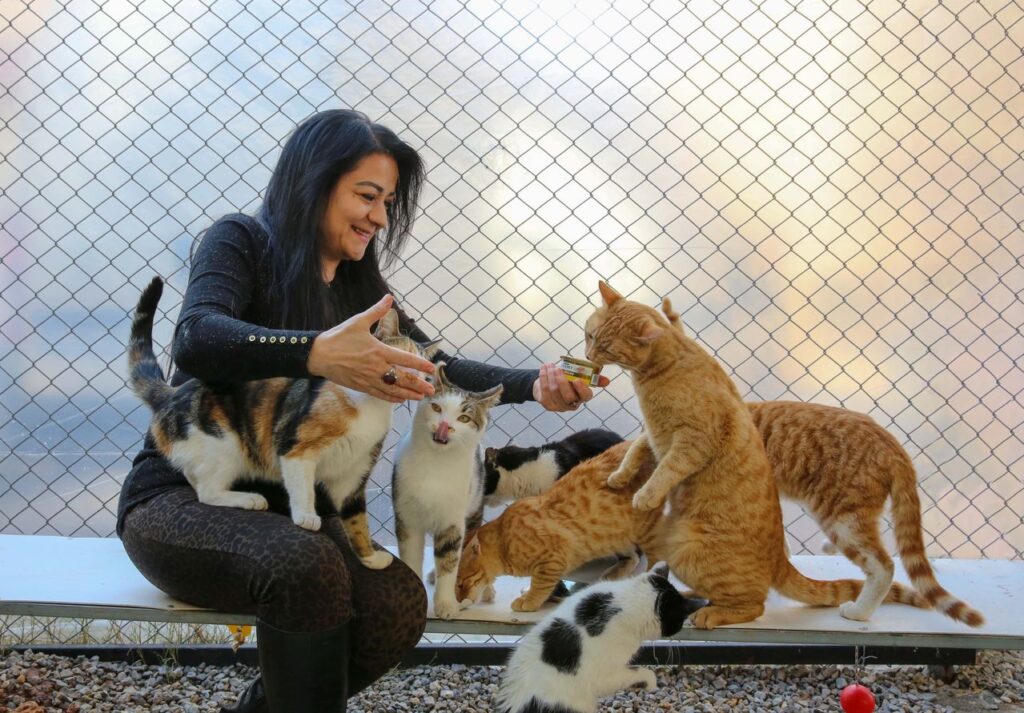
Much of the friction around feral cats comes down to community relations, and a few habits go a long way.
Keep a consistent schedule. Cats quickly learn mealtimes and will gather beforehand, so feed at the same time and place and leave food out only as long as needed. This keeps wildlife and complaints down.
Clean up every time. Remove uneaten food once feeding is done, and keep the station and surrounding area clean, picking up any litter or trash even if it isn’t yours. Sanitation protects the cats’ health and your standing with neighbors.
Communicate openly. Letting nearby residents know you’re caring for the cats, that they’ve been (or are being) spayed and neutered, and that you’re managing the area responsibly heads off a lot of misunderstandings. Many people are reassured to learn someone is actively managing the situation rather than letting cats breed unchecked. If a neighbor raises concerns, explaining how TNR stabilizes the population, and offering to adjust feeding times or locations, is usually more productive than digging in.
Is Feeding Feral Cats Illegal?
Feeding feral cats is not illegal at the federal level in the United States, but it’s heavily regulated locally, so whether it’s legal where you are depends almost entirely on your specific city, county, or homeowners association (HOA). The rules vary enormously from one location to the next.
There are no federal laws governing TNR, and only a minority of states even use the term “feral cat” in their statutes. Most of the rules that actually affect caretakers exist at the city, county, or HOA level, and some areas have no feral-cat-specific law at all, relying instead on broader animal-control or animal-cruelty rules. As a result, two towns a short distance apart can take opposite approaches: one may carve out an exemption for TNR caretakers, while the other bans feeding outright.
Common types of local rules include:
- Bans on feeding stray or feral cats, often on public property.
- Feeding and shelter standards, setting rules for hours, sanitation, and how outdoor shelters are built and placed.
- “At-large” or leash-style rules that limit cats from roaming freely.
- Licensing requirements for cats in some communities.
On the other hand, some states have written protections for TNR caretakers into law, recognizing responsible colony care. There’s also a related wrinkle worth knowing: in some jurisdictions, regularly feeding and sheltering a cat can lead to your being treated as its legal “owner” or “caretaker,” which can carry responsibilities or even liability if the cat causes damage.
To find out what applies where you live, contact your local animal control office, check your city or county website for ordinances (and your HOA rules, if you have one), and reach out to local animal-welfare or TNR groups, who tend to know the area’s rules well. If your community has a feeding ban, constructive next steps include connecting with a local TNR organization (which may already have an exemption), documenting your responsible feeding and sterilization efforts, and working with welfare groups to advocate for humane policies. This isn’t legal advice, just a flag to look at before you leap.
How to Stop Feeding Feral Cats Responsibly
Sometimes circumstances change, a move, health issues, financial strain, and a caretaker can no longer feed a colony. If that happens, it’s important to wind down responsibly rather than abruptly leaving cats who have come to depend on you.
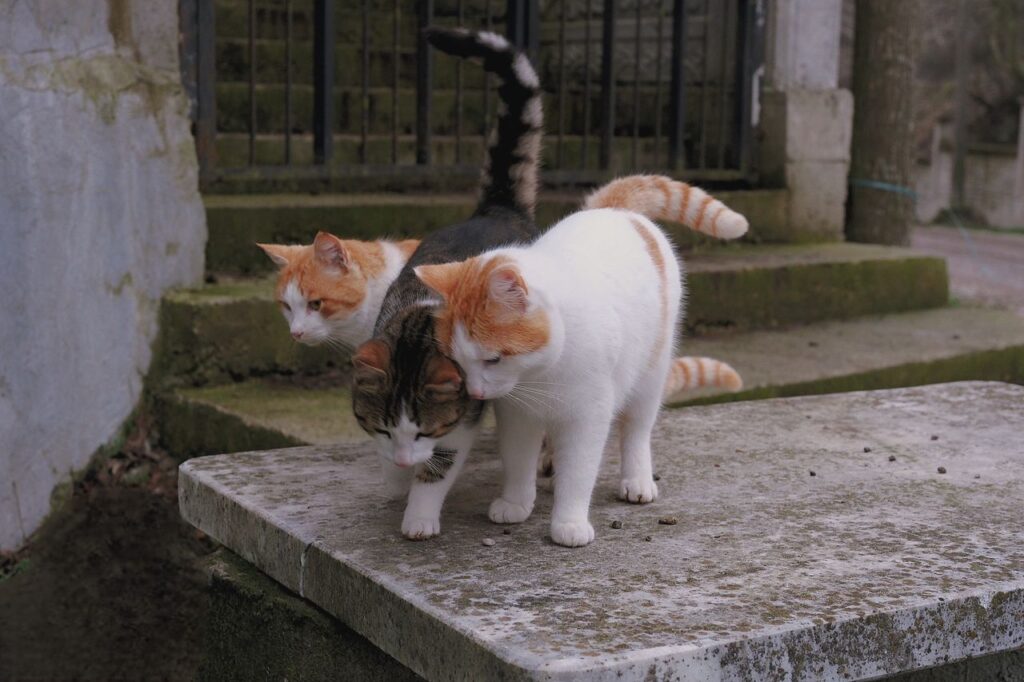
Hand off to another caretaker if you can. The best outcome is finding someone to take over. Reach out to local TNR and rescue groups, interested neighbors, community cat networks online, and veterinary offices that may know volunteers. Pass along everything they’ll need: feeding times, how many cats, which are already fixed, any health concerns, and where supplies are kept.
If no one can take over, taper gradually. Reduce feeding slowly over several weeks rather than stopping all at once, which gives the cats time to widen their range and find other food. A sudden stop can leave dependent cats confused and vulnerable.
If you simply want cats to move on from your property, discourage them humanely: remove food sources and secure garbage, use motion-activated sprinklers, plant scents cats dislike (like lavender or rosemary), and cover bare garden soil with rough textures. Connecting with a TNR group still helps, since sterilized cats roam less. Never use poison or traps meant to harm; beyond being inhumane and often illegal, it doesn’t even work long-term, because new cats simply move into the vacated territory (the “vacuum effect”).
Found a Stray or Lost Cat? What to Do Next
Not every cat at your door is feral. Some are lost pets, and telling the difference helps you do right by them.
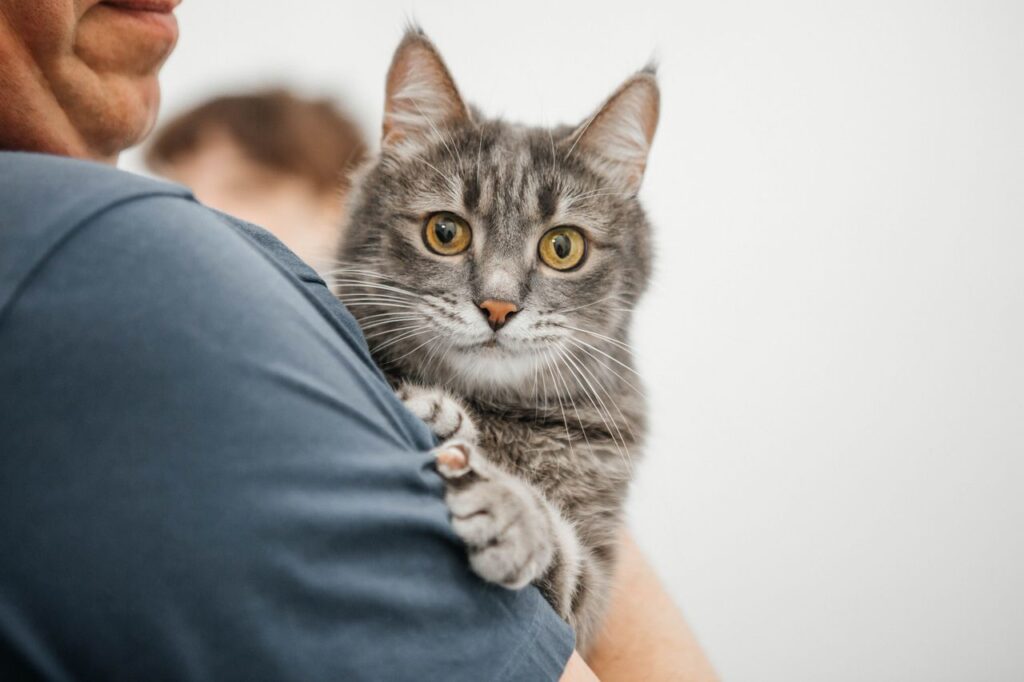
Lost or stray cats (former pets) often approach you, especially if you have food, make eye contact, meow or vocalize, may wear a collar or look well-groomed, and tend to be seen alone rather than in a colony. Feral cats avoid people, may hiss or flee, rarely vocalize around humans, and usually live within an established colony.
If you think a cat might be a lost pet rather than a feral, act quickly: check for a collar and ID tag, have a vet or shelter scan for a microchip, and put the word out. This is where PawBoost comes in. Creating a free Found Pet alert instantly reaches thousands of local pet lovers, shelters, rescues, vets, and volunteers who watch for lost-and-found reports, dramatically improving the odds of reuniting that cat with a worried family. Pair your alert with flyers near where you found the cat and posts in local lost-and-found groups.
The Bottom Line
So, should you feed feral cats? There’s no single right answer, and thoughtful, animal-loving people land on different sides. Feeding can be a genuine kindness and the foundation of effective, humane colony management through TNR, but done carelessly, or without sterilization, it can grow colonies, draw in wildlife, and create friction with neighbors.
If you decide to feed, the responsible path is clear: pair it with Trap-Neuter-Return, feed cleanly and on a schedule, set up a proper station, mind your local laws, and loop in a local cat group. And if any of these cats might be a lost pet rather than a feral one, help it get home.
Frequently Asked Questions About Feeding Feral Cats
Will feeding feral cats attract more cats?
It can, if you feed without sterilizing, because a reliable food source raises how many cats an area can support and can make cats more social and less territorial. This is exactly why experts recommend feeding only as part of a TNR effort: a sterilized, stable colony doesn’t produce new litters, and a stable colony tends to keep unfixed newcomers out. It’s also worth knowing that cats already living nearby often simply congregate at a food source rather than being newly drawn from far away.
Can I get in trouble for feeding feral cats?
Potentially, yes, depending on where you live. Some jurisdictions ban feeding on public property, and in some areas regularly feeding or sheltering a cat can make you legally responsible for it, which could mean fines or liability if it causes damage. In places with no specific feral-cat law, the rules can be unclear and vary by local ordinance. Check your city and county regulations, and consult a local TNR group, before establishing a feeding routine.
How do I keep raccoons away from my feral cat feeder?
Timing is the most effective tool: feed during daytime hours when cats are active but raccoons aren’t, and remove all food before dusk. It also helps to avoid leaving wet food out overnight, use a feeding station with an entrance small enough that raccoons can’t easily fit, and keep the area clean and free of food debris.
Should I bring feral cats inside during winter?
Generally, no. Adult feral cats are not socialized to people, and trapping one to bring it indoors or to a shelter can cause serious stress and trauma, even if the cat seems friendly. Community cats are adapted to live outdoors. The best help in winter is a warm, insulated outdoor shelter, larger food portions, and access to unfrozen water.
Can I tame a feral cat by feeding it?
Adult feral cats rarely become lap cats, though regular feeding can build enough trust to make them easier to manage and trap. Feral kittens are a different story: if handled early, generally before a few months of age, they can often be socialized into pets, so it’s worth contacting a local rescue if you find a litter.
What’s the difference between a feral cat and a stray?
A stray is a pet that was lost or abandoned and is socialized to people, so it can often be re-homed or reunited with its owner. A feral cat was raised without human socialization, avoids people, and usually can’t become an indoor pet as an adult. A frightened stray can act feral at first, so give a cat time before concluding which it is.