

A Complete Guide to Opening Your Own Pet Rescue
Every day, millions of animals across the United States need help finding their way home or into safe, loving environments. At PawBoost, we have witnessed firsthand the incredible impact that dedicated rescue organizations make in communities everywhere. Whether you are dreaming of opening a dog rescue, starting a cat rescue, or establishing a multi-species facility, we would love to guide you through everything you need to know about how to open a pet rescue that makes a real difference.
This journey isn’t always easy. It takes passion, dedication, business sense, and a deep commitment to animal welfare. But if you’re ready to turn your love for animals into real impact, the rewards are truly worth it.
Why Start a Pet Rescue? Understanding the Need
Before diving into the logistics of how to open an animal rescue, it is essential to understand why these organizations matter so deeply to our communities.
The Scope of the Animal Welfare Crisis
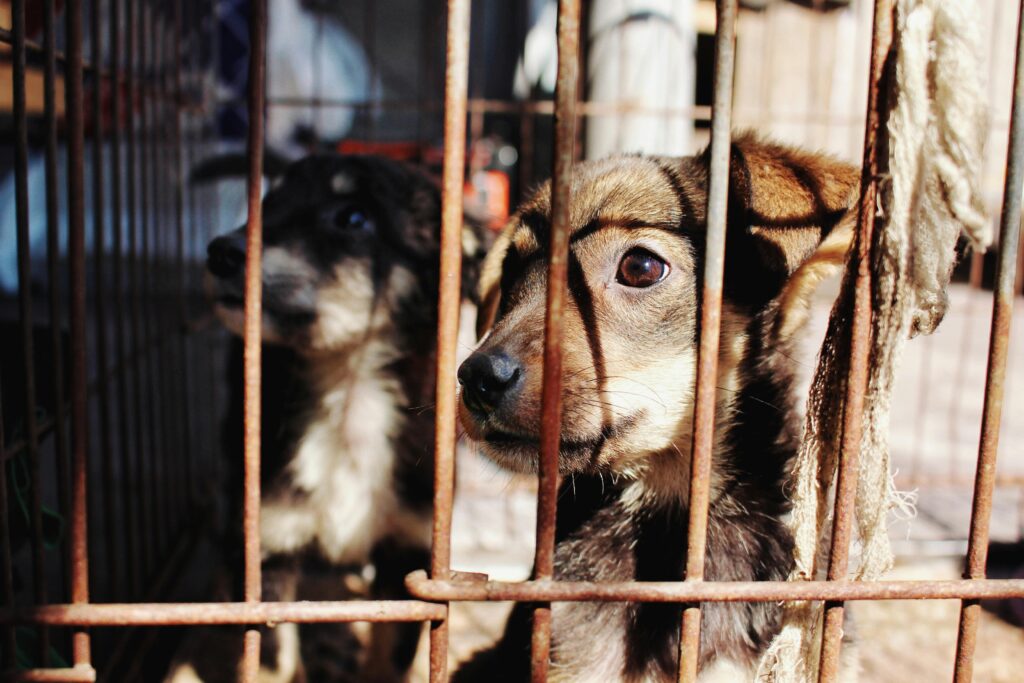
In 2025, animal shelters and rescue groups sheltered over 5,789,000 animals, including roughly 3 million cats and 2.8 million dogs in need of care and assistance. About 597,000 animals were euthanized in 2025, a decrease from around 607,000 in 2024. This high number is due to system overload, with more pets being surrendered than rehomed.
Community intakes continue to be driven primarily by stray animals, which made up 59% of all dog and cat intakes nationwide. At PawBoost, we see this reality every day as pet parents desperately search for lost companions and good samaritans work to reunite found pets with their families.
Government shelters continue to carry the largest share of intakes, responsible for nearly half of dog and cat intakes. Many shelters are struggling with staffing and veterinarian shortages, and too few adoptions. This creates an urgent need for well-organized rescue operations to step in and help bridge the gap.
The good news? Today, 2 out of 3 U.S. shelters are no-kill. Since 2016, the national savings rate has risen by 11 percentage points, helping save nearly 5 million more pets. Early 2025 data shows the save rate at about 82%, up from 71% in 2016. Opening your rescue can contribute to this positive momentum.

Rescue vs. Shelter vs. Sanctuary: What’s the Difference?
Understanding the distinctions between these types of organizations will help you determine which model fits your vision best.
- Animal rescues: are privately owned and operated, often out of the owners’ homes. Each type of organization does good work, but comes with unique challenges.
- Animal shelters: are typically government-funded facilities that accept all animals within their jurisdiction. They often have open-admission policies, meaning they cannot turn away any animal brought to them. This can lead to overcrowding and difficult decisions about population management.
- Foster-based rescues: had the highest proportion of adoptions at 30% of all dogs and cats adopted in the first half of 2025. This model allows rescues to operate without a physical facility, relying instead on a network of volunteer foster homes.
- Sanctuaries: provide permanent homes for animals that may not be suitable for adoption due to medical conditions, behavioral challenges, or advanced age. Unlike rescues, sanctuaries typically do not focus on rehoming animals but rather on providing lifelong care.
Is Opening an Animal Rescue Right for You?
Although the goal of an animal rescue is not to generate profit, these organizations share many similarities with traditional businesses when it comes to launching, operations, and management. For that reason, having a clear business plan, a defined mission statement, and structured processes is essential from the start.
Running a rescue involves far more than caring for animals. Before taking the leap, ask yourself these honest questions:
- Can you handle the emotional weight of animal welfare work, including difficult decisions about intake and care?
- Do you have the time commitment required, knowing that animals need care 365 days a year?
- Are you prepared to manage the operational and administrative responsibilities of running a nonprofit organization?
- Do you understand the legal and logistical requirements involved, such as permits, policies, and animal welfare regulations?
- Do you have a reliable support system of family, friends, or volunteers who share your vision?
- Are you ready to build relationships with veterinarians, donors, and community partners who help sustain rescue operations long term?
Animal rescues rely heavily on donations and community support. Without consistent funding, founders may need to cover unexpected expenses themselves, making financial planning and fundraising essential for long-term sustainability.
Planning Your Animal Rescue Organization
Although it may not be the most exciting part of the process, proper planning is the foundation of any successful rescue organization. Taking the time to research, define your mission, establish clear goals, and outline operational procedures helps ensure long-term sustainability and prevents many common challenges new rescues face
Conducting Research and Assessing Community Needs
Before filing any paperwork, take time to understand your local animal welfare landscape thoroughly.
Identifying Gaps in Local Animal Services
Start by mapping out all existing animal welfare resources in your area. Visit local shelters, connect with existing rescue organizations, and speak with veterinarians about what they see as unmet needs. You might discover that your community has plenty of dog rescues but lacks organizations focusing on cats, senior pets, or animals with special needs.
Evaluating how your rescue would differ from existing organizations is equally important. Consider what unique focus, services, or community outreach efforts you could offer to complement, rather than duplicate, the work already being done locally.
At PawBoost, we often see gaps in lost and found pet services, community communication networks, and support for good samaritans who find stray animals. Consider how your rescue might fill these needs while also providing traditional rescue services.
Choosing Your Rescue’s Focus (Dogs, Cats, Horses, or Multi-Species)
Do you intend to rescue both dogs and cats, or focus on one species? If your rescue concentrates on one or more breeds, that is part of your mission statement, as is the geographic area from which you rescue and adopt out animals.
Consider these factors when choosing your focus:
- Your personal experience and expertise with specific species
- The resources required for different types of animals
- Community needs and existing services
- Facility requirements and zoning restrictions
- Partnership opportunities with other organizations
Defining Your Mission and Vision Statement
The mission statement must define your basic goals. It should clearly explain why your nonprofit exists and the impact it aims to create. In contrast, your vision describes the future you hope to build, what your rescue would look like at its fullest potential.
An effective mission statement is brief, focused, and meaningful. It should clearly express who you serve, what actions you take, and the broader difference your work makes. For example: “To rescue, rehabilitate, and rehome abandoned and surrendered dogs in [County Name], giving animals a second chance while strengthening the connection between pets and their community.”
As your organization grows, your board may choose to refine or expand the mission to reflect evolving goals or a broader scope of services.
Writing a Business Plan for Your Rescue
Your business plan is the foundation of your rescue organization, turning your mission into a clear and sustainable plan for how the rescue will operate and grow over time. It should include:
Organizational Structure
Document how your organization will be structured, including leadership roles, reporting relationships, and decision-making processes. Shelters must have a clearly defined organizational structure which outlines accountability, responsibility, and authority for management decisions.
Programs and Services
Define the programs and services your rescue will provide and how they will support both animals and the community.
Common rescue programs include:
- Intake and adoption services
- Foster care coordination
- Spay/neuter assistance
- Community education
- Lost and found pet services
- Veterinary assistance programs
- Transport partnerships
Operational Plan
Outline how your rescue will operate on a daily basis, including how animals are received and assessed, the routines used for their care, facility upkeep, and the steps involved in the adoption process.
Marketing and Outreach Strategy
A clear marketing strategy is vital for any new nonprofit seeking to build awareness and earn the trust and support of its community. Outline how you plan to promote your mission through digital initiatives, community outreach, partnerships, special projects, and events, using insights gathered from your market research.
Financial Projections and Impact Goals
Outline your financial plan, including startup costs, funding sources, and operating expenses. Provide realistic projections for the first three to five years and define measurable goals to track your impact on animal welfare.
Establishing Your Board of Directors
Every nonprofit organization requires a board of directors to provide oversight and guide major decisions. The board is typically responsible for approving the mission statement, establishing bylaws, and supporting the organization’s overall governance.
Roles and Responsibilities of Board Members
An effective board should include individuals who care deeply about animal welfare while also bringing professional expertise beyond rescue work itself. Consider recruiting members with backgrounds in veterinary medicine, finance, law, community leadership, or nonprofit management, as well as people experienced in fundraising or grant writing. A diverse skill set strengthens decision-making and helps the organization operate sustainably.
How to Recruit the Right People
Seek board members who combine a shared passion for animal welfare with varied perspectives and professional experience. Building connections through community events, professional networks, and local nonprofit circles can help identify strong candidates. In general, nonprofit guidelines suggest having at least three to five board members to support effective governance.
Legal Steps to Opening an Animal Rescue
Understanding the legal requirements is crucial when learning how to open a non profit animal rescue. This section covers the essential steps to establish your organization as a legitimate nonprofit entity.
Incorporating Your Rescue Organization
First, you will need to legally establish your organization. Depending on the state, this document may be called the “Articles of Incorporation,” “Certificate of Formation,” or a similar name.
Registering Your Business Name
Choose a name that clearly reflects your mission and the impression you want to create for people discovering your organization for the first time. The wording you select can shape expectations about your services and the community you serve. Before finalizing the name, check state business registries to confirm availability and consider securing matching domain names and social media handles.
Filing Articles of Incorporation
Most states require a filing fee to submit incorporation documents, with costs and processing times varying depending on the location and whether expedited service is requested. The articles of incorporation and bylaws should include a clear purpose clause outlining the organization’s charitable mission, as well as a dissolution clause specifying that any remaining assets will be transferred to another nonprofit if the rescue closes.
Applying for 501(c)(3) Tax-Exempt Status
Obtaining 501(c)(3) tax-exempt status from the IRS allows donations to become tax-deductible and enables your organization to apply for grants from foundations and government programs. Because nonprofit status is not automatic, you must formally apply after establishing your organization at the state level and obtaining an Employer Identification Number (EIN).
The final step typically involves submitting IRS Form 1023, or the streamlined Form 1023-EZ, to request official tax-exempt recognition.
Understanding IRS Form 1023 vs. Form 1023-EZ
Organizations seeking 501(c)(3) status can apply using either Form 1023 or the simplified Form 1023-EZ.
The standard Form 1023 is more detailed and requires extensive information about the organization’s structure and operations, with a filing fee of approximately $600.
The form 1023-EZ is a shorter, streamlined option designed for smaller nonprofits, typically those expecting annual gross receipts under $50,000 and total assets below $250,000. The filing fee for Form 1023-EZ is $275, and eligibility depends on meeting these financial thresholds.
Timeline and Costs for Tax-Exempt Approval
Processing times for 501(c)(3) applications vary depending on the form submitted. The standard Form 1023 typically takes three to six months to review, although complex applications may take longer.
The streamlined Form 1023-EZ is usually processed more quickly, often within two to four weeks, due to its simplified review process. Once approved, tax-exempt status is generally applied retroactively to the organization’s formation date, provided the application is filed within 27 months of incorporation.
Obtaining an Employer Identification Number (EIN)
An Employer Identification Number (EIN) is issued by the IRS and is essential for properly establishing your nonprofit. It is required to open a bank account, accept donations, and legally hire employees. Obtaining an EIN is free and completed directly through the IRS rather than at the state level. Organizations can apply by submitting IRS Form SS-4, which is most commonly completed online for immediate processing, though fax and mail options are also available.
Creating Bylaws and Governance Documents
Bylaws establish the internal rules that guide how your organization operates. They typically outline board structure, meeting procedures, officer roles and terms, and processes for elections, resignations, and filling vacancies, helping ensure clear and consistent governance.
Conflict of Interest Policies
A conflict of interest policy helps identify and manage situations where personal relationships or financial interests could influence organizational decisions. Clear procedures, such as requiring affected individuals to recuse themselves from related votes, help protect transparency, accountability, and the organization’s tax-exempt status.
State Filing Requirements and Charity Registration
Many states recognize federal tax-exempt status automatically or offer a simplified process for obtaining state tax exemption once IRS approval has been granted. However, fundraising activities are regulated at the state level, and most states require nonprofits to register before soliciting donations.
Because requirements vary by state, organizations should ensure they complete the necessary filings in every state where they plan to request contributions.
Licensing, Permits, and Zoning Regulations
Operating an animal rescue requires compliance with local laws and regulations, which can vary widely by location.
Local Animal Facility Permits
Organizations should contact local animal control offices and city or county planning departments to determine required permits, zoning rules, and facility licenses, particularly when housing multiple animals or operating from a private residence.
In some cases, state-issued licenses, often through the Department of Agriculture, may also be required.
USDA APHIS Licensing (When Required)
Rescues involved in activities such as transporting animals across state lines for certain purposes or operating as licensed dealers may need USDA APHIS authorization. Consulting an attorney familiar with animal welfare regulations can help determine whether federal licensing applies to your organization.
Startup Costs and Funding Your Animal Rescue
Understanding the financial realities of running a rescue is essential for long-term sustainability. Startup costs can vary widely depending on the size and operating model of the organization, typically ranging from $5,000 for small foster-based rescues to $50,000 or more for facility-based operations.
Choosing Your Operating Model
Foster-based rescues generally have lower startup costs because they rely on volunteers to house animals rather than maintaining a physical facility. Expenses typically include legal setup, insurance, veterinary agreements, basic supplies, and marketing.
Facility-based rescues require significantly higher investment due to property costs, zoning compliance, equipment, and ongoing maintenance, but they allow organizations to care for more animals directly.
Ongoing Operating Expenses
Beyond startup costs, rescues must plan for recurring expenses such as veterinary care, food and supplies, insurance coverage, and facility upkeep. Veterinary treatment often represents the largest cost, and adoption fees alone rarely cover the full expense of preparing animals for adoption.
Funding Your Rescue
Sustainable rescues rely on diversified funding sources rather than a single revenue stream. Common sources include:
- Donations
- Grants for animal rescues
- Fundraising events and campaigns
- Corporate partnerships
- Recurring giving programs.
While adoption fees (from $50 to $500 depending on the animal) help offset expenses, long-term success depends on consistent community support and strong fundraising strategies.
Setting Up Accounting and Financial Systems
Establishing a reliable accounting system is essential for tracking income and expenses and maintaining financial transparency. Creating a clear budget from the start helps organize costs into meaningful categories, such as staffing, program expenses, and operational overhead. Information that donors and stakeholders often expect to see.
If you do not have accounting experience, consider working with a bookkeeper or accountant to ensure proper financial management. Ongoing responsibilities typically include maintaining accurate financial records, documenting donations, issuing required acknowledgments, and filing annual IRS Form 990 reports to remain compliant with nonprofit regulations.
Standards of Care and Best Practices for All Rescues
Regardless of the species you serve, maintaining high standards of care is essential for animal welfare and organizational credibility.
Following Established Guidelines for Shelter Standards
Many rescues use widely recognized shelter care guidelines, such as those developed by the Association of Shelter Veterinarians (ASV), as a framework for evaluating and improving animal welfare practices. These standards provide practical recommendations for housing, sanitation, medical care, population management, and overall well-being across a variety of rescue settings, from foster-based organizations to municipal shelters.
Veterinary Partnerships and Medical Protocols
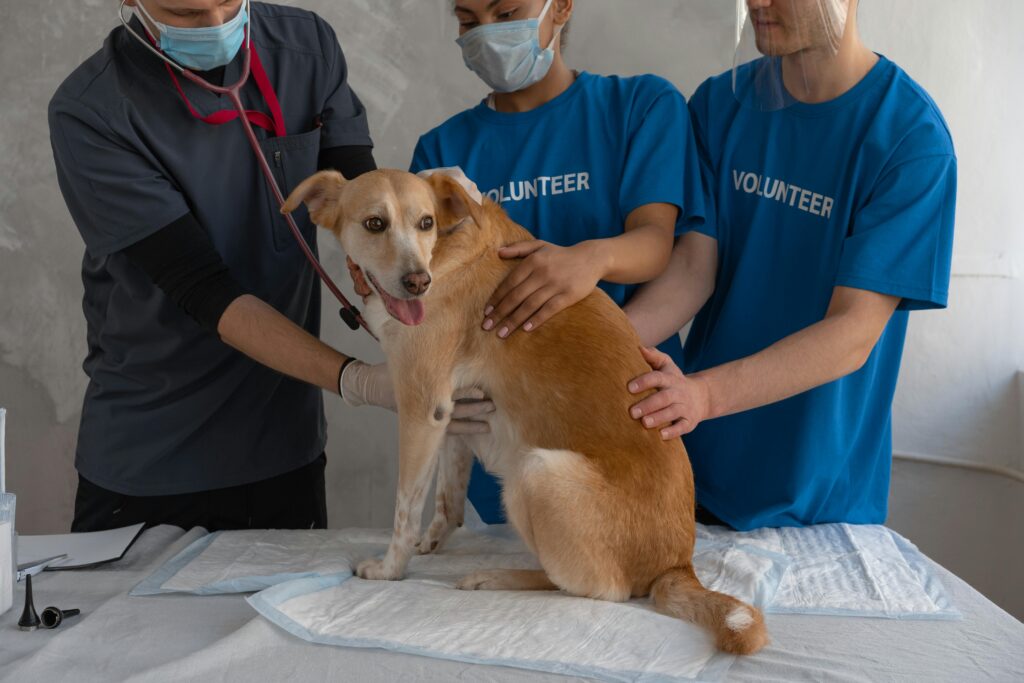
Strong partnerships with local veterinarians are critical to ensuring proper medical oversight. A formal relationship with a veterinary professional helps establish treatment protocols, supports preventive care such as vaccinations and spay/neuter services, and can sometimes provide access to reduced-cost medical care.
Animal Enrichment and Behavioral Health
Animals entering rescue environments often experience stress that can affect both physical and behavioral health. Enrichment programs, including exercise, mental stimulation, and positive human interaction, help reduce anxiety and improve adoptability. Regular behavioral monitoring allows concerns to be addressed early.
Creating Policies for Intake, Adoption, and Returns
Well-defined policies help ensure consistency and accountability across the organization. Rescues should establish written procedures covering:
- intake criteria and evaluation processes
- medical care and treatment protocols
- behavioral assessments
- adoption requirements and screening
- follow-up communication with adopters
- return and rehoming policies
Building Your Team: Volunteers and Staff
Your team is the heart of your rescue operation. Building a strong, dedicated team requires intentional recruitment, training, and support.
Recruiting and Retaining Volunteers
Volunteers play a vital role in animal rescues, assisting with animal care, fostering, events, and administrative tasks. Establish clear roles, communication channels, and volunteer agreements to create a positive and organized experience.
Volunteer Training Programs
Comprehensive training ensures volunteers can provide quality care while protecting themselves and the animals. Cover topics including:
- Animal handling and safety
- Disease prevention and recognition
- Emergency procedures
- Organizational policies and procedures
- Communication protocols
When to Hire Paid Staff
As your rescue grows, certain responsibilities may require paid positions to ensure consistency and accountability. Early hires often include animal care coordinators, shelter managers, or administrative support roles.
Animal rescue work can be emotionally demanding. Creating a supportive culture that encourages healthy boundaries, teamwork, and access to mental health resources helps prevent burnout and promotes long-term sustainability.

Marketing Your Rescue and Finding Forever Homes
Effective marketing is essential for finding homes for your animals, recruiting volunteers, and raising funds.
Building a Clear Brand
Develop a recognizable name, logo, and visual identity that reflects your mission. Consistent branding across your website, social media, and materials helps build trust and recognition within your community.
Website and Social Media Presence
A professional website and active social media channels are essential for showcasing adoptable animals and sharing your mission. High-quality photos, honest descriptions, and engaging storytelling can significantly increase adoption interest and community engagement.
Adoption Platforms
Listing animals on adoption platforms such as Petfinder or Adopt-a-Pet expands your reach beyond local audiences. Keep profiles updated with accurate information, clear photos, and detailed descriptions to improve adoption success.
Community Outreach
Outreach programs, educational initiatives, and local events help raise awareness while strengthening relationships with adopters, donors, and volunteers. Active community involvement also reinforces your organization’s credibility and long-term sustainability.
Growing and Sustaining Your Rescue Long-Term
Building a rescue that lasts requires ongoing attention to impact, collaboration, and organizational growth.
- Measuring impact: Track key metrics such as the number of animals served, adoption outcomes, return rates, volunteer involvement, and financial stability. Monitoring these indicators helps demonstrate impact to donors while identifying opportunities for improvement.
- Expanding programs thoughtfully: As your organization grows, consider adding services that support your mission and community needs, such as spay/neuter initiatives, pet food assistance programs, behavioral support, or educational outreach.
- Building Partnerships: Collaboration with other rescues, shelters, veterinarians, and community organizations helps maximize resources and avoid duplication of efforts. Strong partnerships expand reach and improve outcomes for animals.
Long-term success depends on learning and adaptation. Regularly evaluate your programs, seek feedback from volunteers and supporters, and stay connected with the broader animal welfare community to refine your approach over time.