
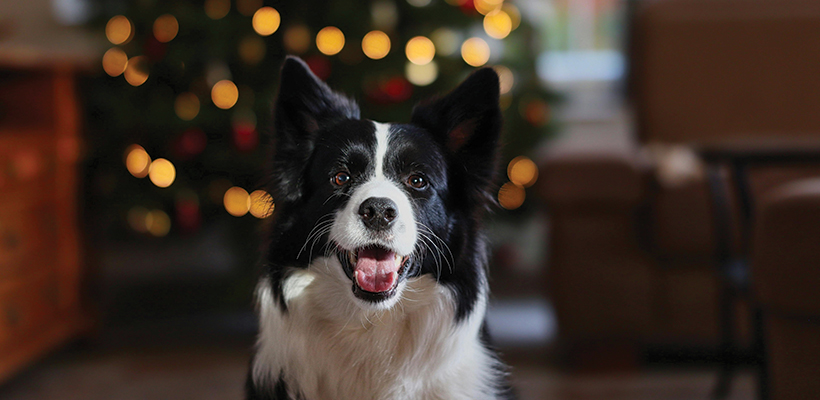
Why Are So Many Dogs Abandoned After Christmas? Understanding the Post-Holiday Crisis
A puppy under the Christmas tree may seem like a perfect gift, but the weeks after the holidays often tell a different story. Many “Christmas puppies” sadly end up in shelters or on the streets once the festivities are over.
The post-holiday pet abandonment crisis is a heartbreaking and all-too-common phenomenon. Every year, animal shelters brace themselves for a surge of intakes as the holiday glow fades. It appears we’ve forgotten the old adage: “A dog is for life, not just for Christmas.” In the rush of the season, countless well-meaning families bring a new dog home in December, only to discover by January that they cannot keep that commitment.
This article explores why so many dogs are abandoned after Christmas, backed by official data and expert insights, and what we can do to change this post-holiday crisis.
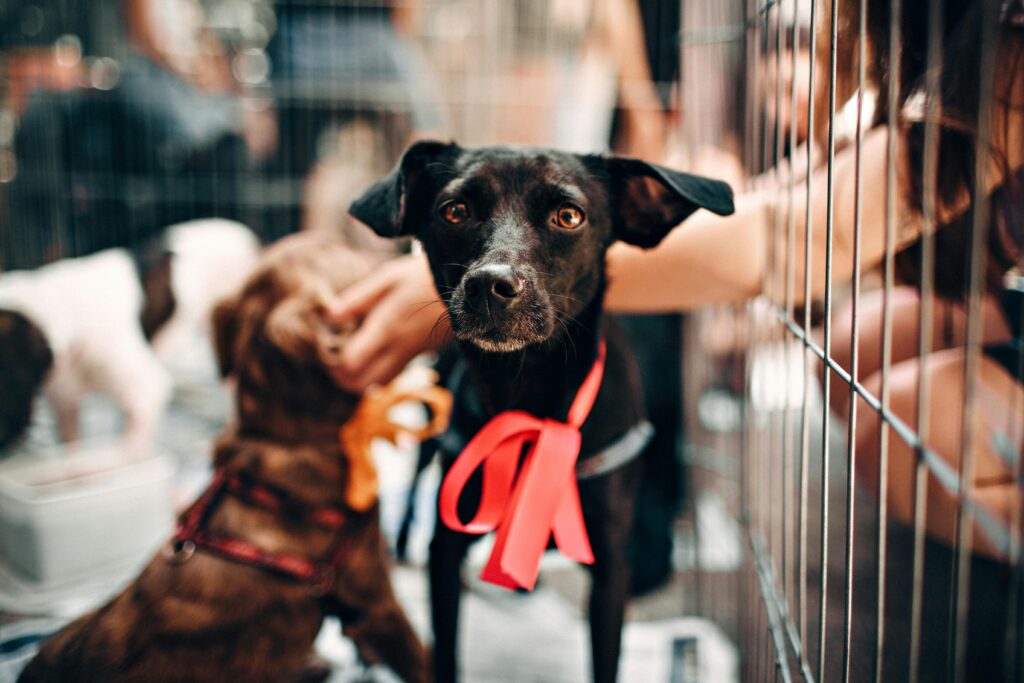
The Christmas Pet Abandonment Phenomenon
The period right after Christmas often sees animal shelters pushed to capacity. In fact, after the holiday season, shelters experience an influx of surrendered animals – more than at any other time of the year, according to rescue experts. This pattern has been observed by organizations worldwide, from local rescues to large humane societies.
How Many Dogs Are Abandoned After Christmas?
It’s difficult to pin down exact numbers, but animal welfare organizations estimate that hundreds of thousands of pets may be abandoned each year following the holiday season. In the U.K., for example, the RSPCA reported 4,630 pets abandoned during the winter months around Christmas 2023 – a 51% increase in winter abandonments over three years. Between just December 18 and January 2, the RSPCA saw a 23% spike in abandoned pets (including about 660 dogs), amounting to over a thousand animals left frightened and alone.
Shelters in the U.S. see similar trends. PETA notes that by January, many of the “present” animals given as gifts will have joined the more than 6 million cats and dogs entering U.S. shelters each year. Animal shelters across the country often report dramatic post-Christmas intake surges. In various regions, facilities receive hundreds of animals in the weeks following the holidays, many of them surrendered puppies or kittens given as gifts. Staff members frequently hear the same heartbreaking refrain: “We got this puppy for Christmas and can’t keep it.” These patterns paint a sobering picture of what “dogs abandoned after Christmas” truly looks like on a national scale.
Some pets are even abandoned before Christmas amid the holiday rush. The pet abandonment crisis can start even during the lead-up to the holidays, as people overwhelmed by holiday plans or expenses make rash decisions.
Why the Spike in Post-Holiday Abandonment?
Several converging factors make the post-Christmas period especially precarious for new pets:
- Impulse Pet Gifts and “Christmas Puppies”: Caught up in holiday spirit, people often gift puppies or dogs without fully considering the long-term responsibilities. In the week before Christmas, Google searches for “puppy as a present” jump dramatically (an 82% rise was reported in one analysis). An adorable puppy under the tree might seem magical, but this impulsive approach means many pets go to homes unprepared for them. Shelters have long warned against treating pets as surprise gifts. When animals are acquired on a whim or as a last-minute present, there’s a higher risk the new owner wasn’t ready for the commitment.
- Unrealistic Expectations vs. Reality: That clumsy puppy chewing the ornaments on January 1st isn’t so cute to someone who didn’t anticipate the work involved. Many new owners underestimate the time, training, and patience a dog requires. Puppies nip, bark, have accidents, and demand attention – things that can frustrate an unprepared family.
- Financial Strain After the Holidays: The weeks after Christmas can bring credit card bills and financial hangovers. Caring for a dog is expensive – from food and supplies to vaccinations, vet visits, and possibly pet deposits for housing. Some owners realize they simply cannot afford a pet on top of other expenses. In many regions, the rising cost of living has exacerbated this issue. The RSPCA notes that winter is especially hard, as more pet owners face financial hardship during this time than any other. In the U.K., almost a quarter of dog owners say the cost-of-living crisis is affecting their ability to care for their pet. Post-holiday, cash-strapped owners may feel they have no option but to give up their dog.
- Holiday Disruption and Behavioral Challenges: The holiday season itself can be a challenging environment for a new pet. Homes are often crowded with visitors, loud with festivities, or empty when families travel. A puppy introduced during the holidays might be overwhelmed by noise and chaos, or conversely, left alone for long stretches if the family travels. Then, suddenly, the usual daily routine resumes in January. Owners go back to work or school, and that cute Christmas pup now has to cope with long hours alone. New owners may find themselves working late or traveling more than they expected, leaving the dog under-exercised or anxious. Puppies that had constant attention during winter break might develop separation anxiety when everyone returns to their normal schedule. Without foresight and training, these behavioral issues (chewing, excessive barking, accidents due to stress) can drive frustrated owners to surrender the pet.
- Lack of Support or Knowledge: First-time dog owners, in particular, may not know where to turn for help. They might interpret normal puppy behavior as “bad” or “untrainable” and give up too soon. Or they may not have access to someone who can dog-sit during vacations. The absence of a support system (friends, family, or affordable pet care services) can make keeping the pet feel impossible.
It’s important to note that not every holiday pet adoption ends poorly. In fact, multiple studies and shelter surveys have debunked the myth that pets given as gifts are more likely to be abandoned. The ASPCA conducted research finding no significant difference in attachment or retention between people who received a pet as a gift and those who adopted on their own. However, the key here is thoughtfulness and preparedness. The post-Christmas abandonment surge largely comes from situations where those elements were missing – impulsive decisions, lack of planning, and underestimation of costs and care.

The Heartbreaking Impact on Pets and People
When a dog is abandoned after Christmas, the consequences are tragic on multiple levels. For the dogs, it is a trauma that can leave lasting emotional and physical scars. For the people involved – from heartbroken children who didn’t expect their puppy to be taken away, to shelter workers and rescuers who must comfort these confused animals – it’s an emotional ordeal as well.
Consider the dog’s perspective:
One week, he’s being hugged under the Christmas tree; a week later, he’s in a noisy kennel or tied to a post, wondering why his family disappeared. The sense of loss and confusion these animals experience is real. Many abandoned dogs show signs of stress – pacing, whining, depression, or fearful behavior – as they struggle to adapt to suddenly being alone.
Front-line rescuers witness heartbreaking scenes during this season, regularly finding dogs “in poor health, collapsed and left in isolated spots to suffer a lingering death” during the winter months. Some owners don’t even bother to bring the pet to a shelter; they literally dump them outdoors in freezing weather. In one widely shared case, shelter staff arrived on Christmas Eve to find a 14-year-old dog, Nena, abandoned outside in the cold – her fur was matted, ears infected, and she had clearly endured years of neglect.
What this means for Shelters:
The toll on shelters is significant as well. Overcrowding means resources are stretched thin. After the holidays, kennels are full and every spare corner might house a frightened animal. Shelter staff and volunteers work tirelessly to comfort these dogs – some of whom cry or shut down from stress – and to advertise them for adoption in hopes of quick turnarounds. Sadly, not every dog will make it out alive. While overall euthanasia rates have improved over time, data from Shelter Animals Count shows that in the U.S., 290,000 shelter animals were euthanized during the first half of 2025 –164,000 dogs and 126,000 cats– representing approximately 10.36% of the total intake. Many of these decisions are made due to space constraints or severe behavioral issues.
The impact on humans:
Not all post-Christmas abandonments are callous; some are truly desperate measures by people who feel they have no other option. A family facing eviction or a medical emergency might tearfully surrender a dog they love, adding personal heartbreak to the situation. Rescue groups report that some owners hand over pets with genuine sorrow, citing financial or personal crises that exploded right after the holidays. These cases highlight how important it is to have safety nets (like pet food banks or temporary foster care) for pet owners in crisis.
Finally, there’s the confusion among children when a “Christmas puppy” disappears. Young kids who received a dog as a gift may not understand why their new friend is suddenly gone in January. This can be a traumatic lesson about pet ownership. It underscores why experts advise never to give a pet to a child as a complete surprise – it must be a family decision, with adults ready to assume responsibility.

Preventing Post-Holiday Pet Abandonment: Solutions and Responsibilities
The post-Christmas abandonment crisis is not inevitable. By taking responsible actions before, during, and after the holidays, we can greatly reduce the number of dogs that end up abandoned. Here are several key strategies and solutions:
1. Think Before You Adopt or Gift a Pet
The most powerful solution is prevention. Advance planning and honest conversations should happen before any pet is brought home for the holidays. To anyone considering giving a puppy as a present, ask yourself and the recipient the tough questions: Are they truly ready for a 10- to 15-year commitment? Have they expressed sustained interest in owning a dog? If the pet is for a child, are the parents fully on board to be the primary caregivers? If any of these answers are uncertain, it’s far better to pause the idea.
Tips for Responsible Gifting/Adopting:
- Never give a pet as a surprise to someone outside your household. Only gift a pet to someone who has openly shown interest and ability to care for one. Ideally, let them be part of the selection process rather than showing up with a puppy unexpectedly.
- Consider alternatives to a live animal under the tree. You can still make it special – for example, gift a stuffed toy dog with a note that says, “We’ll adopt a dog together after the holidays.” This allows the recipient to prepare and choose the right pet for them. Another idea is to sponsor a shelter pet or donate to an animal charity in someone’s name, symbolically “gifting” the idea of helping pets without the immediate responsibility.
- Time it right. Bringing a new pet home during the busiest, loudest time of year isn’t ideal. If possible, wait until the household is calm (after New Year’s or a stretch when someone can be home to help the pet adjust). As some experts suggests, you can announce the dog as a gift on Christmas but plan the actual adoption for January, when the excitement has died down. This gives the pet a better environment to settle in.
- Do your research (breed, behavior, needs). An impulse buy at a pet store or online could mean ending up with a breed that doesn’t fit the person’s lifestyle. A herding dog or husky puppy, for instance, will have very high energy and specific needs – not great for a small apartment or a sedentary owner. Before adopting or gifting, research or talk to a vet/shelter about what type of dog suits the person’s living situation, schedule, and experience.
By ensuring that any holiday pet adoption is well-considered and intentional, we tackle the root of the problem: impulsivity. Remember that a bit of forethought in December can prevent a lot of heartbreak in January.
2. Be Prepared for the Commitment (Training, Time, and Cost)
If you’ve welcomed a new dog over the holidays (or plan to), set yourself up for success so that giving up your pet never becomes an option. Preparation and education are your best tools. Here’s how to follow through on the commitment:
- Budget and plan for pet care expenses. Right after the holidays, sketch out a pet care budget for the coming months. Include food, routine vet checkups, vaccinations, flea/heartworm prevention, grooming, and pet supplies. If money is tight after holiday spending, identify where you can cut back to afford these essentials. Keep in mind that puppies will need several vet visits in their first year. Also consider pet insurance or a rainy-day fund for emergencies. Knowing the costs upfront can prevent the shock that leads some to relinquish their dog due to money troubles.
- Start training and socialization immediately. Enroll in a puppy kindergarten or basic obedience class, or find free online resources from reputable trainers. Early training will help nip problem behaviors in the bud and build a stronger bond with your dog. It also teaches the dog manners that make them easier to live with. If you’re struggling with a specific issue (like housebreaking or chewing), consult a trainer or your veterinarian for tips. Many communities have free or low-cost training resources.
- Establish a routine and be patient. As the holiday schedule transitions to normal life, work your dog into that routine gently. For example, if you’ll be back at work 8 hours a day, practice leaving the pup alone for gradually increasing periods so they adjust. Provide chew toys and create a safe space (like a crate or dog-proofed room) where they can stay when alone. Remember that adjustment takes time. Don’t panic if the dog has accidents or misbehaves initially; consistent positive reinforcement and time usually improve these issues.
- Seek help before it becomes overwhelming. If you find yourself truly unable to cope – whether due to the dog’s behavior or personal circumstances – reach out for support rather than abandoning the pet. Family or friends might dog-sit or foster your pet temporarily if you have an emergency. Local rescue groups may offer advice or short-term assistance. There are also online forums and community groups of pet lovers who can share solutions. The key is not to wait until you’re at a breaking point.
The underlying principle is that owning a dog is like adding a family member. Planning, budgeting, training, and patience are all part of being a responsible pet parent.
3. Support Pet Owners and Address Triggers
Not all post-Christmas abandonments stem from impulse; some result from external hardships. As a community, we can reduce these by supporting pet owners in need:
- Promote and utilize pet support services. If someone you know is struggling to afford their pet (perhaps after an economic downturn or job loss in the new year), guide them to resources like pet food banks, low-cost vet clinics, or charities that assist with pet care. These safety nets can keep pets with their families. The existence of pet food banks has already helped thousands avoid surrendering their pets. Donating to or volunteering at such programs, especially after the holidays, directly helps reduce abandonment for financial reasons.
- Encourage communication instead of quiet surrender. Oftentimes, owners feel embarrassed to admit they’re in over their head. We should foster a judgment-free environment where people can seek advice (from vets, trainers, or shelters) if they’re having issues with their dog. For example, an owner whose puppy is tearing up the house might not know that a trainer could help solve this. By talking about these common challenges openly, we make it more likely they’ll reach out for help rather than secretly drop the dog off at a shelter.
- Address landlord and housing issues. After the holidays, some people move or have lease renewals that suddenly prohibit pets. Community organizations and humane societies can sometimes intervene by speaking with landlords about pet-friendly solutions or offering pet deposits. Advocating for more pet-friendly housing policies is a longer-term solution that would remove a major reason for pet relinquishment year-round.
On a societal level, education is key. Animal welfare groups continue to spread the message about responsible pet ownership. Campaigns like Dogs Trust’s famous “A Dog is for Life, Not Just for Christmas” have been reminding the public of this for decades, and it remains as true as ever. We each can amplify this message: talk to friends and family, and share articles (like this one) or infographics on social media about the commitment required. The more people truly understand what goes into pet ownership, the fewer impulsive adoptions will occur.
4. PawBoost’s Role: Reuniting and Rescuing Post-Holiday Pets
Although many pets are sadly abandoned during the holiday season, countless others go missing unintentionally – spooked by fireworks, overwhelmed by guests, or escaping through doors left open during parties. In these moments, PawBoost can be a lifesaver. We are truly dedicated to reuniting lost pets with their families and helping stray or abandoned animals find safety. Whether a pet was abandoned or simply lost, we mobilize the community to bring them home. Here’s how it works:
- Report found pets quickly and widely: If you encounter a stray pet after the holidays (wandering your neighborhood or perhaps left in a park), you can report a found pet on PawBoost for free. This will send out alerts on social media (Facebook, Nextdoor) and to local PawBoost members in your area. With a network of over 7 million pet lovers subscribed for alerts, the chances of finding the dog’s owner or an interested rescuer are greatly increased. Many “abandoned” dogs might actually be lost pets that bolted due to stress.
- Leverage the Rescue Squad™: Our community, known as the Rescue Squad, is a huge group of volunteers and fellow pet lovers who actively look out for alerts in their area. Over 2,000 lost or found pets are reported daily on PawBoost, and the Rescue Squad jumps into action by sharing posts, keeping an eye out, and providing support.
- Rehoming and adoption opportunities: While our primary goal is reuniting pets with owners, in cases where a dog truly has been abandoned (no owner comes forward), the exposure from PawBoost can lead to new adoptive homes. A kind neighbor or someone who saw the PawBoost alert might step up to foster or adopt the dog.
Initiatives like ours empower the community to act. Instead of a lost dog languishing unnoticed or an abandoned one being overlooked until it’s too late, we ensure these pets’ stories are seen and heard by those who can help.
5. Spread Awareness and Encourage Responsible Pet Ownership
Lastly, one of the most impactful things any dog lover can do is spread awareness. The more people know about the issue of holiday pet abandonment, the more they may pause and reconsider decisions, or step up to help. Here are ways to be an advocate:
- Share educational content: Post on social media about the realities of Christmas pet abandonment. You might share statistics or share a story of a rescued “Christmas dog” to put a face to the issue. Emotional storytelling can change hearts and minds – when people see the sad eyes of a dog that lost its home by New Year’s, it may deter them from making an impulse buy, or motivate them to support shelters.
- Promote adoption from shelters and rescues. Emphasize that if someone truly wants a dog, adopting from a shelter or rescue is far more humane than buying a pet on a whim. There are thousands of wonderful dogs (including those abandoned after Christmas) looking for homes. By choosing adoption, new owners also get the benefit of shelter guidance and often a pet that’s been health-checked and temperament-tested. Some shelters even run “Empty the Shelters” or New Year adoption drives – highlight those opportunities. Every dog adopted is one less dog in a crowded shelter kennel.
- Encourage year-round commitment: Remind your circle that pet ownership isn’t seasonal. This can be as simple as using the hashtag #DogForLife or echoing that famous slogan “not just for Christmas.” It might seem repetitive, but messaging works over time. Animal welfare organizations have noted that despite campaigns, some people still aren’t getting the message. It’s up to all of us to keep reinforcing it.
By focusing on these solutions we can chip away at the post-holiday pet abandonment problem. Each success story is a step toward making the “post-Christmas crisis” a thing of the past.
Conclusion
The weeks after Christmas should be a time to relax and cherish new memories – not a time when shelters overflow with unwanted pets. If we understand why so many dogs are abandoned after Christmas, we can take meaningful action to stop it. At its heart, this is a crisis of human choices, and that means humans can fix it with wiser choices. Whether it’s opting not to give a surprise puppy, sticking with a pet through the challenging puppy phase, lending a hand to a neighbor with a new dog, or supporting rescue efforts – each of us can play a part.
The existence of platforms like PawBoost is a testament to the good that comes when communities unite for animals. By joining PawBoost’s Rescue Squad or simply being vigilant in your community, you could save the life of a “Christmas dog” in need. And by spreading the word about responsible pet ownership, you might prevent the next one from being abandoned in the first place.
In the end, the message is simple: a dog is family, forever. The joy a dog brings doesn’t expire after the holidays, and neither should our commitment to them. Let’s make sure that the story of each holiday pet is one of love, loyalty, and lifelong care – because that is the happy ending every dog deserves.
If you or someone you know is struggling with a pet adopted over the holidays, reach out for help rather than giving up. Contact local shelters, trainers, or use PawBoost to find resources. Together, we can ensure that every dog finds the warmth and security it should have long after the decorations come down.