

How To Help Someone Deal With Pet Loss Grief
Losing a pet can be as painful and profound as losing a human family member. Research shows that about 7.5% of people grieving a pet meet the criteria for prolonged grief disorder, roughly the same rate as those grieving a close human friend. In fact, about one in five pet owners has reported that the loss of their pet was even harder than losing a human loved one.
Unfortunately, pet loss grief is often disenfranchised – society doesn’t always recognize how real and intense it is, leaving many people feeling isolated in their pain. As a supporter, understanding that their grief is valid and just as real as any other loss is the first step in learning how to comfort someone who lost a pet.
Why Pet Loss Hurts So Much (Insights from Psychology & Veterinary Experts)
Pets are not “just animals” – they are family. People form deep attachment bonds with their pets, and their absence leaves a huge void. Veterinary grief counselors note that pet loss can be especially isolating because not everyone acknowledges the severity of the pain. Studies confirm that the emotional distress from losing a pet can mirror that of losing a spouse or child. By recognizing this depth of grief, you validate the pet owner’s feelings. It’s really important not to trivialize the loss – acknowledging that their pain is real and understandable is crucial to offering genuine comfort.
The Importance of Acknowledgment and Support
When someone loses a pet, one of the worst things you can do is nothing at all. Often, friends stay silent, fearing that mentioning the pet will “trigger” tears. In reality, avoiding the topic can make a grieving pet owner feel even more alone and as if their loss is being ignored. Instead, be “along for the ride” with them – let them know you are aware of their loss and are there to support them through it. Grief has no fixed timeline; there may be intense waves of sadness days, weeks, or even months later. Checking in after the initial aftermath (for example, on holidays or the pet’s birthday) shows that you remember and care. Offering ongoing support and a safe space for them to express their emotions (without judgment) helps ensure they don’t feel they have to “go through it alone.”

What to Say to Someone Who Lost a Pet
Finding the right words to say to someone grieving a pet can be challenging. The key is to speak from the heart and acknowledge their loss. Start with a simple, sincere message of sympathy. Even saying “I’m so sorry for your loss. I know how much [pet’s name] meant to you.” can provide comfort by showing you recognize their pain. Let them know you are there for them and, if appropriate, share a fond memory of the pet or something you admired about the pet-owner bond. Tailor your words to the person’s relationship with their pet and keep the focus on them – this is not the time to compare grief or launch into your own stories (unless it’s to empathize briefly and reassure them they’re not alone).
Comforting Words and Phrases to Show You Care
Sometimes the simplest expressions are the most meaningful. Here are a few things you can say to console someone who lost a pet:
- “I’m so sorry you’re going through this. Losing a pet is losing a family member.”
- “I know how deeply you loved [pet’s name]. They were truly special, and they were so lucky to have you.”
- “My heart goes out to you. Please know I’m here to listen or help with anything you need.”
- “You gave [pet’s name] such a wonderful life full of love. I hope you find comfort in those memories.”
- “There are no words that can take away the pain, but I want you to know I care and I’m here for you.”
These phrases acknowledge the person’s grief and the importance of the pet, which is often what a grieving pet owner needs to hear. Acknowledgment and empathy are far more comforting than any attempt to give advice or find a silver lining.
What to Say to a Friend Who Lost a Pet
If the person is a close friend, you can personalize your message even more. Express your support not just as a polite gesture, but as someone ready to truly be there. For example: “I know how much Buddy meant to you – he was part of our friend group too. We’re all going to miss him, and I’m here for you, whatever you need.” You might reminisce about the pet by saying, “I’ll never forget how excited Buddy would get when we came over. Thank you for sharing him with us. He was so loved.”
Sharing a positive story or memory can reassure your friend that you also valued their pet and understand their grief. The goal is to show your friend that you recognize their pet’s significance and that you share in their sadness. This approach can be deeply comforting, as it underlines that they’re not alone in remembering and mourning their beloved companion.
What Not to Say to Someone Grieving a Pet
Just as important as knowing what to say is knowing what NOT to say. Certain phrases, even if well-intended, can minimize the person’s loss or hurt them further.
Avoid language that minimizes the loss, compares it to “worse” losses, or pushes someone to move on or replace their pet. Stay away from phrases that start with “At least…” or “You can always…”.
For example, never say things like: “At least it was just a dog, not a person,” “You can always get another pet,” or “They lived a long life, it was their time.” These comments diminish the unique bond someone had with their pet and suggest that the loss is replaceable, which does not reflect how a grieving owner feels.
Similarly, avoid clichés such as “They’re in a better place” or “Everything happens for a reason.” While often meant to comfort, these phrases can feel dismissive of the very real pain your friend is going through.
How to Comfort and Console Someone Who Lost a Pet
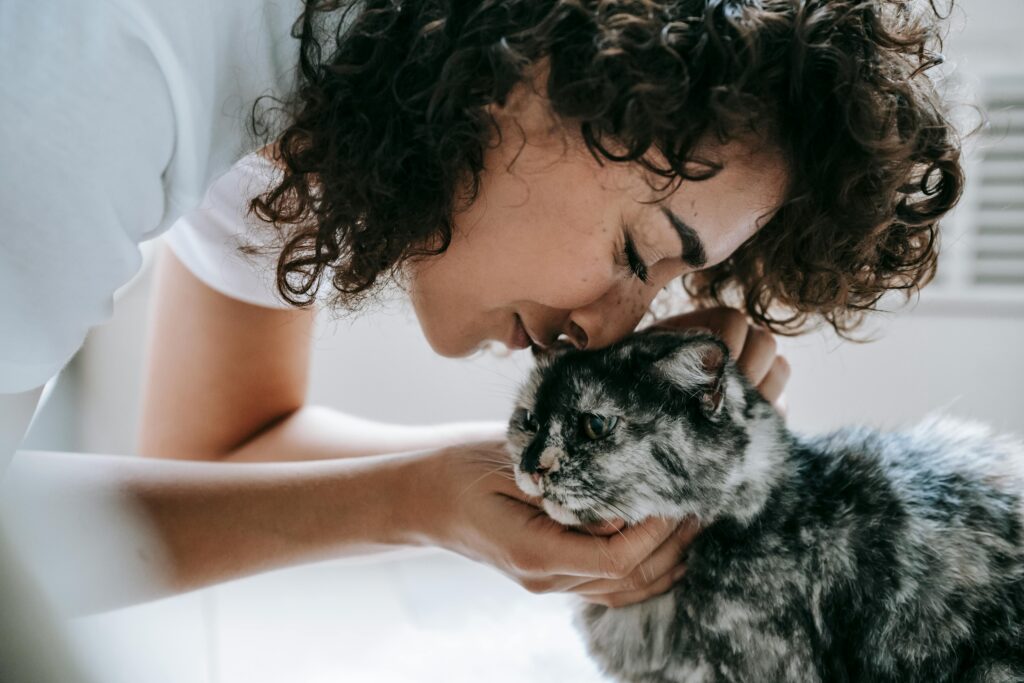
Offering comfort to someone who lost a pet goes beyond words. It’s about being present for them in their grief. Often, grieving pet owners need permission to feel their emotions openly. Let them cry, vent, reminisce – whatever form their grief takes, show that you accept it. You can say things like, “It’s okay to be heartbroken – take all the time you need to grieve. I’m here with you through this.” By doing so, you’re signaling that they don’t have to “put on a brave face” or pretend to be okay around you. Simply sitting with them in silence, offering a hug, or listening while they talk about their pet can be incredibly consoling.
The Power of Presence and Active Listening
Being there is sometimes the greatest comfort you can offer. Make yourself available to listen without judging or trying to immediately cheer them up. Let your friend share stories about their pet. This can help them process grief by celebrating the pet’s life. When they express sadness or guilt (“I keep thinking maybe I could have done more…”), listen empathetically and reassure them (“You gave [pet’s name] so much love and the best life possible”). Active listening – nodding, maintaining eye contact, and reflecting back what they say – shows that you truly care.
Encourage Expression of Feelings (Tears Are Okay!)
Many pet owners feel they shouldn’t “overreact” to a pet’s death, since society may not always validate it. Reassure them that it’s absolutely normal to cry, be angry, or feel lost after such a loss. If they apologize for breaking down, gently tell them it’s okay. By explicitly giving them permission to grieve, you remove any pressure to “stay strong” or hide their pain.
You can even offer ways for them to express their feelings: “If you ever want to share more stories or even just sit and look through photos of [pet’s name], I’d love to do that with you.” This tells them that you’re not afraid of their grief and you won’t shy away from remembering the pet.
Respect Their Grieving Process and Personal Boundaries
Everyone grieves differently. Some people may want to talk for hours about their pet; others might withdraw and speak very little. They might have days where they seem “okay” and days where the loss hits them all over again. Respect the grieving person’s needs and timing. Let them take the lead on how much or how little they want to share. If they prefer solitude at times, respect that – just let them know you’re a phone call or text away whenever they do want support.

Practical Things You Can Do
Comforting words and emotional support are vital, but often the best way to help someone who lost a pet is through practical actions. Grief can be emotionally and physically exhausting; everyday tasks might feel overwhelming to the bereaved pet owner. Offering concrete help can relieve some of their stress and show your support in tangible ways.
Rather than the generic “Let me know if you need anything,” try to anticipate needs and offer specific assistance that they can easily accept.
Offering Day-to-Day Help
In the immediate aftermath of the loss, simple daily tasks can become daunting. You can step in with thoughtful gestures to lighten their load. For example:
- Help with chores: Offer to walk their other dog (if they have other pets), clean the litter box, or help feed/care for remaining pets. Pet routines can be painful reminders of the loss, so assisting there is a big help. You might also handle basic household chores like taking out the trash or bringing over dinner so they don’t have to worry about cooking.
- Run errands: Grieving individuals might not have the energy to go out in public. Offer to pick up groceries, drive them to the vet to collect the pet’s ashes (if that applies), or grab any supplies they need.
- Assist with notifications: If they need to inform others (friends, family, pet sitter, etc.) or cancel appointments (groomer, vet, pet insurance), volunteer to help make those calls or send messages so they don’t have to repeat the difficult news multiple times.
These practical tasks may seem small, but when someone is in mourning, relief from everyday burdens is a true gift. It lets them focus on their grief and self-care instead of chores.
Helping with Memorials or Rituals
Many pet owners find comfort in creating a memorial or ritual to honor their pet. You can support this process in meaningful ways. Offer to help plan a small memorial service or gathering if they want one – even an informal get-together with close friends to share stories about the pet can be healing. You might assist in creating a tribute, such as:
- Photo album or scrapbook: Help gather printed photos of the pet or create a digital slideshow. This activity can be therapeutic as it encourages the owner to reflect on happy memories.
- Memorial space at home: Assist in planting a tree or flowers in the yard in the pet’s memory, or setting up a memory corner with the pet’s photo, collar, or favorite toy. This gives them a dedicated space to feel connected to their pet.
- Tribute video or social post: If your friend wants to announce the loss on social media or make a tribute video, you can help compose a thoughtful post or edit some video clips. Reading the supportive comments from others can remind them they’re not alone.
Be sure to follow their lead – suggest ideas gently, and see what resonates with them. The goal is to honor the pet’s life and give your friend a chance to say goodbye in a personal way. Your help in these memorial activities can make the process less daunting and more comforting.
Encourage Self-Care and Grief Resources
Grieving pet owners often neglect their own needs. You can gently encourage them to take care of themselves. Simple things like reminding them to stay hydrated, eat, or rest can be helpful. If you’re close, you might prepare a healthy meal and share it with them, or invite them for a short walk for some fresh air (if they’re up to it). In addition, consider guiding them to supportive resources:
- Support groups or hotlines: Let them know there are pet loss support groups (both in-person and online) and even pet loss hotlines (staffed by trained volunteers) that they can reach out to for understanding and help. Sometimes talking to others who’ve experienced similar loss can be very validating.
- Professional help: If you sense they are really struggling (extended depression, inability to function, or overwhelming guilt), gently suggest the option of speaking with a grief counselor or therapist who understands pet bereavement. There is no shame in seeking help; pet loss is a significant emotional trauma for many.
- Literature or online resources: You might share a helpful article or a recommended book on coping with pet loss (only if you think they’d be open to it). Organizations like the American Veterinary Medical Association (AVMA) and university veterinary hospitals often have grief resources you can pass along.
Remember to approach this support tactfully – never as “You should do this,” but rather, “This helped me/others in the past, maybe it could help you when you’re ready.”

Sympathy Gifts and Gestures: What to Get Someone Who Lost a Pet
When words alone don’t feel enough, a thoughtful gift for someone who lost a pet can show your compassion and help keep the pet’s memory alive. The best gifts are those that honor the bond between your friend and their pet, or that provide some comfort in their time of grief. Consider both tangible gifts and heartfelt gestures. Even a small token can speak volumes, as it shows you recognize their loss and want to support them. Here are some ideas for what to give or send to a grieving pet owner:
Memorial and Keepsake Gift Ideas
Tangible keepsakes can help your friend cherish the memories of their beloved pet. Some meaningful gift ideas for someone who lost a pet include:
- Custom photo frame or album: A beautiful frame allows them to display their favorite picture of the pet. This keeps the pet’s presence felt at home.
- Personalized jewelry: Consider a necklace or keychain engraved with the pet’s name, or a pendant that holds a small portion of pet ashes. A paw-print charm or custom piece (like a stylized portrait of the pet) can be a touching daily reminder of their friend.
- Garden stone or plaque: An engraved garden stone, plaque, or wind chime with the pet’s name gives them a spot outside to reflect. For instance, a personalized memorial stone can be placed in the pet’s favorite napping area in the yard.
- Stuffed animal or portrait: A custom stuffed animal that resembles their pet or a commissioned portrait painting of the pet can provide comfort. It’s something they can hold or look at to feel closer to their companion.
- Candle or memorial kit: There are pet memorial candle sets where they can light a candle in honor of their pet. Some kits include a small poem or ritual they can perform if that suits them.
When choosing a gift, think about your friend’s personality and what might resonate most. A practical person might appreciate something like a memory box to store the pet’s collar and tags, while a highly sentimental person might cherish a piece of art or jewelry. The thought and love behind the gift are what matter most.
Heartfelt Gestures and What to Send to Show You Care
If you cannot be with the person in person (or even if you can), sending a sympathy gesture can be very meaningful. Classic options include:
- Sympathy card or letter: A handwritten note where you share a fond memory of the pet or simply express your support can be kept and re-read whenever they need comfort. This personal touch often means more than a generic store-bought card message.
- Flowers or a plant: Sending flowers with a condolence message is a traditional gesture of sympathy. Alternatively, a living plant or tree they can plant in their yard serves as a living memorial for their pet.
- Donation in the pet’s name: Consider donating to an animal shelter, rescue, or charity in the pet’s memory. Let your friend know you made this donation honoring their pet’s life. This not only memorializes the pet but also turns their memory into something positive that helps other animals.
- Care package: Put together a small care package for your grieving friend. This could include comfort items like teas or hot cocoa, a cozy blanket, perhaps a book on pet loss or a journal, and tissues. Add a personal note and maybe a framed photo of their pet. Such a package delivers both practical comfort and emotional support.
These gestures show that you’re thinking of them and acknowledge the depth of their loss.
When a Pet Is Missing: How to Help Someone Through a Pet’s Disappearance
Not all pet loss involves the certainty of death. Sometimes a beloved pet goes missing – they run away, get lost, or even stolen – leaving their owner in agonizing limbo.
This kind of situation brings a unique form of grief known as ambiguous loss, because the person doesn’t have closure about what happened to their pet. Comforting someone whose pet is missing requires a balance of emotional support and proactive help. The person will be experiencing the fear and worry of not knowing their pet’s fate, often cycling through hope and despair. Here’s how you can support someone waiting for their lost pet’s return:
Providing Hope and Emotional Support (Ambiguous Grief)
When a pet is missing, your friend may be oscillating between hope and fear. Acknowledge how stressful and heartbreaking this uncertainty is. Encourage them to hold onto hope, but also let them express their fears without judgment. You might say, “I can’t imagine how hard this is, not knowing. I’m hoping with you that [pet’s name] finds their way home soon, and I’m here for you every step of the way.”
The goal is to validate their feelings – it’s normal to feel grief, guilt, anxiety, and everything in between when a pet is missing. Be patient with their emotional swings. If today they need optimism, be optimistic with them. If tomorrow they break down in tears, be the shoulder they cry on. Remind them to take care of themselves during the search (eating, sleeping, etc.), since the stress can be exhausting. This ambiguous grief is traumatic, and your steady companionship and encouragement can be a lifeline. Let them know you haven’t given up and you’ll continue to hope and search alongside them.
Taking Action: Helping Search for the Lost Pet
One of the most practical and immediate ways to console someone with a missing pet is to join the search efforts. Taking action can give your friend a sense of control and purpose, and it shows them they’re not alone in trying to find their furry friend. Here are ways you can help:
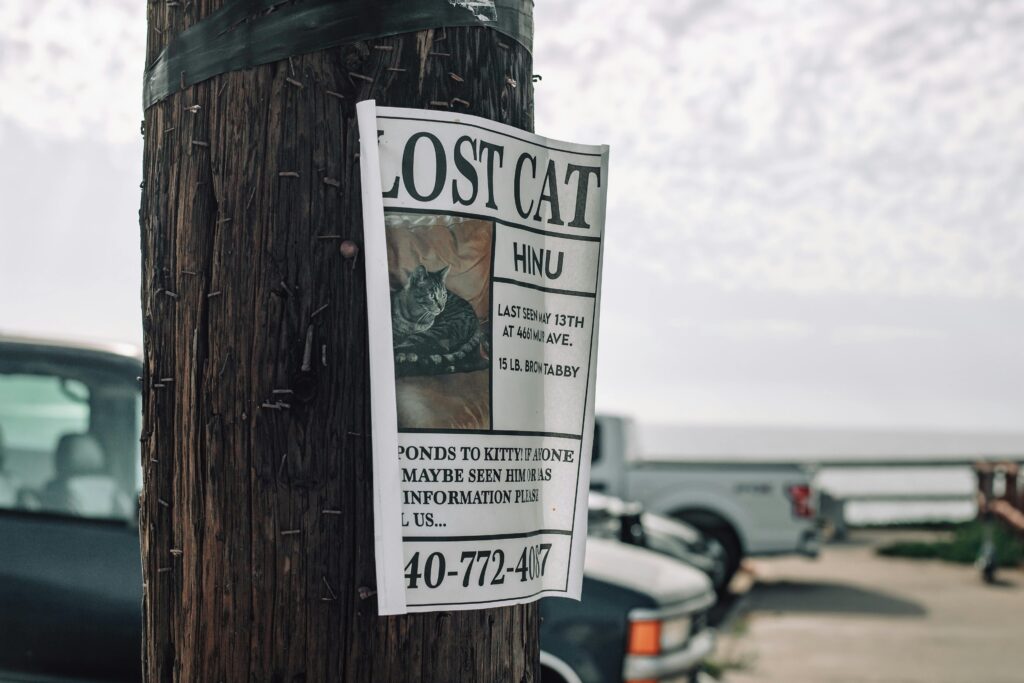
- Assist with making and distributing flyers: Help create a clear, colorful “Lost Pet” flyer or poster. Include a recent photo of the pet, description, the pet’s name, and your friend’s contact information. Print out plenty of copies and offer to post them around the neighborhood, at local vet clinics, pet stores, shelters, and community bulletin boards.
- Search the area: Volunteer to walk or drive around the area at times the pet might be active (dawn or dusk, for example). Call out the pet’s name, carry their favorite treats or a familiar sound (like a squeaky toy or jangling keys if the pet responds to those). Two pairs of eyes (or more) are better than one.
- Contact shelters and vets: Help your friend call all local animal shelters, animal control, and veterinary clinics to report the missing pet. You can even visit shelters in person with them to check for new intakes. Doing some of these calls on their behalf can take off some pressure.
- Use social media and online networks: Offer to post the missing pet’s information on social media platforms, community groups (Facebook groups for lost pets in your city, neighborhood apps like Nextdoor), and pet-finding websites. The more people who see the alert, the better the chances. Keep checking for any sightings or tips, and help your friend respond promptly.
By actively helping in the search, you are transforming helplessness into hope. Every flyer you hang or lead you follow is one step closer to a reunion, and your friend will take comfort in knowing that you’re as invested in finding their pet as they are.

PawBoost’s Mission and How Community Support Helps
Our mission is to reunite lost pets with their owners and to support pet parents in distress. If you or someone you know has lost a pet, PawBoost can be an invaluable resource. By reporting a lost pet through PawBoost, you activate a vast network of animal lovers and receive tools to aid in the search – from local email alerts to printable flyers. Every person who joins PawBoost’s Rescue Squad (it’s free to join) becomes part of that caring community that spreads the word and offers tips in lost pet cases. Even if you’re not dealing with a lost pet yourself, you can join the PawBoost community to help others – for example, by signing up for alerts in your area, you might be the extra pair of eyes that helps spot someone’s missing cat or dog. So far, we have facilitated over a million happy reunions, underscoring the power of community and vigilance.
In addition, we provide a supportive environment: success stories can offer hope to those currently searching or grieving. Being part of a mission that helps every lost pet find their way home is a meaningful way to honor the love we have for our own pets. For someone grieving a missing pet, knowing that “the community is searching with me” can be immensely comforting. And for pets who sadly aren’t found, the outpouring of support from the community shows that the pet’s life mattered. In short, we are here not only to help find lost pets, but also to ensure no pet parent has to feel alone during one of the scariest times of their life.
Conclusion: Ongoing Support on the Journey of Pet Grief
Comforting someone who lost a pet is not a one-time act – it’s an ongoing journey of support, empathy, and understanding. In the days and weeks after the loss, continue to check in on your friend. Grief doesn’t follow a neat timeline; there may be unexpected moments when the reality hits them again – like coming home to a quiet house, or seeing the pet’s favorite toy. Be patient and willing to listen during these times, even if it’s months later.
Encourage your friend to talk about their pet and keep the memories alive. Use the pet’s name, and don’t shy away from sharing a funny or sweet anecdote you recall. This signals that it’s okay for them to keep talking about their beloved companion. Some people may worry that they’re “burdening” others by still being sad; by proactively reaching out, you show that their feelings are not a burden to you.
Finally, remember that your compassion can have a lasting impact. By understanding the depth of pet loss grief, knowing what to say (and not say), offering both emotional and practical help, and integrating resources like community support, you become a source of light during one of the darkest times in your friend’s life. In offering comfort, you honor not just your friend, but the memory of the pet who brought so much joy. Supporting someone through pet loss is an act of kindness they will likely never forget – and it reaffirms that no one has to face the pain of losing a pet alone. Together, through empathy and community, healing becomes possible.