

Last Updated on July 13, 2026
What to Do If You Find a Lost Pet
Finding a lost pet can happen when you least expect it. One moment you are going about your day, and the next, a frightened dog, cat, or other animal is looking to you for help. What you do in those first few hours can make a real difference in reuniting that animal with a worried family.
First, thank you for caring enough to help a lost pet. Many people want to do the right thing but aren’t sure where to start. By taking the time to help, you’re already giving that animal a better chance of making it back home.
This guide covers the essential steps to take when you find any lost pet, whether it is a dog, cat, rabbit, or other domestic animal. While every situation is different, the advice below is designed to maximize the chances of a safe, happy reunion with the pet’s family.
Important Things to Know When You Find a Lost Pet
While the steps you take will often vary depending on the type of animal you have found, there are some important considerations that apply in every situation:
1. Be Aware of Local Laws and Ordinances Regarding a Lost or Found Pet
No matter how much you may fall in love with the animal you found, most U.S. states require you to make a genuine effort to locate the rightful owner before keeping or rehoming a pet. Laws and ordinances vary significantly by city and state, so it is worth checking with your local shelter, rescue organization, or police department to understand the rules that apply in your area. The fact that you are reading this guide is a good start to fulfilling your obligation.

Photo Credit: Pixabay via Pexels
This article from the Animal Legal and Historical Center at Michigan State University is a reliable starting point for understanding animal ownership laws, though consulting a local expert is always the best way to get accurate, location-specific guidance.
2. Keep the found pet separated from your other pets and children
A found animal is often frightened and may be in fight or flight mode. Even a friendly-looking stray could carry infectious diseases or parasites that could spread to your own pets. Keep the animal in a separate room or spare crate until you know more about their health status. This protects everyone involved, including the animal you found.
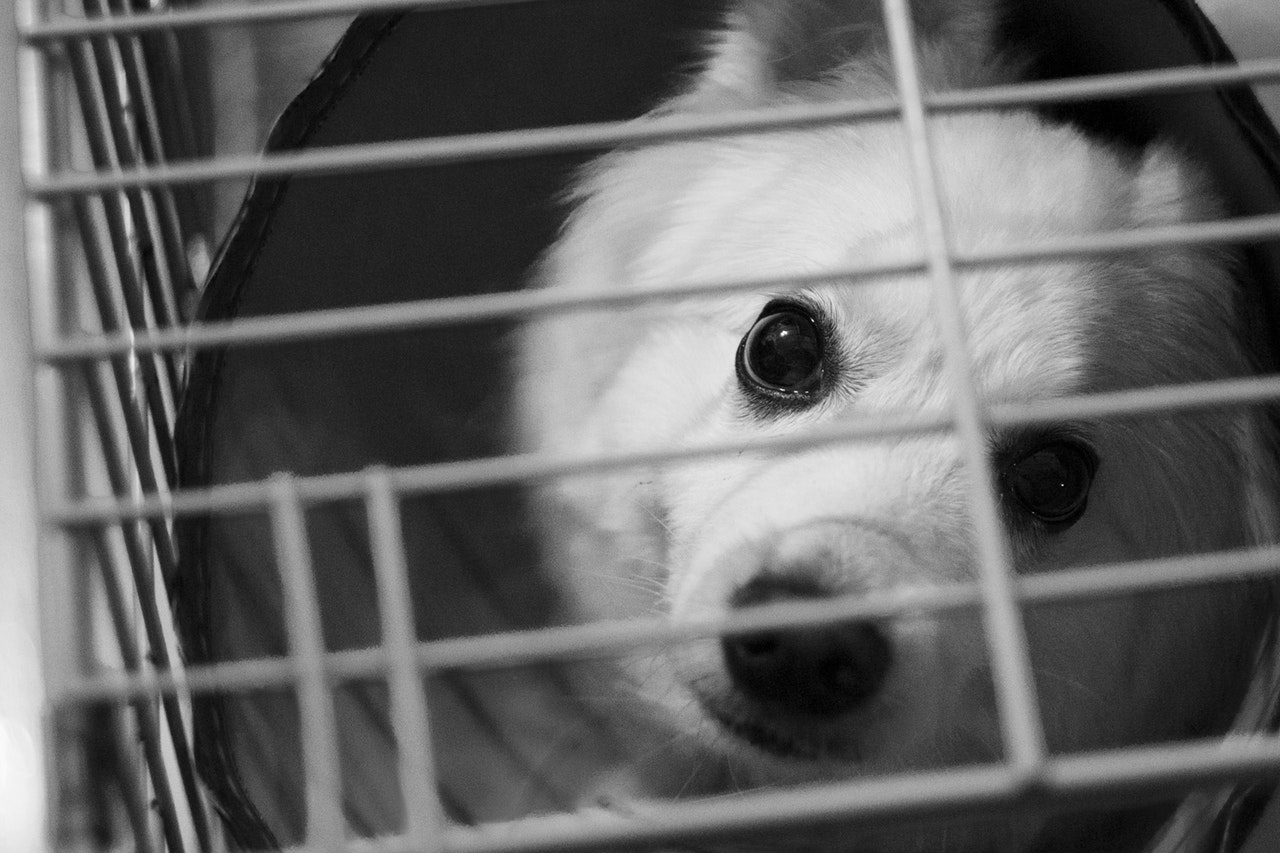
Photo Credit: Jimmy Chan via Pexels
3. Reserve judgment about the owner
It can be easy to think that a pet has gone missing because her pet parent isn’t responsible or just doesn’t care enough to take proper precautions. However, this is rarely the case!
There are hundreds of circumstances that can lead to a missing pet: A pet panicking and bolting due to fireworks or other loud noises, contractors working on the house and accidentally leaving doors or gates open, a friend or family member watching the pet that’s unaware of their escape artist personality.

Photo Credit: Cal David via Pexels
We’ve seen all these things happen many times at PawBoost to even the most loving and responsible pet parents. Unfortunately, some things are simply out of our control.
So reserve your judgment, and assume the best about the pet’s family. More than likely, they are absolutely devastated that their furry child is missing and are doing everything they can to reunite with them.
Common Lost Pets and What to Expect
Every animal is different, and knowing what you are dealing with can help you respond more effectively. Here is a quick overview of the most commonly found pets and what makes each situation unique.
Dogs
Dogs are among the most commonly reported stray animals processed through the municipal animal control system in the U.S. They may be friendly and approachable or frightened and unpredictable depending on their background. Stray dogs are subject to specific hold period laws in most states, and the process for reporting, containing, and rehoming them is more regulated than for other animals.
For more information, visit our complete guide to helping stray dogs.
Cats
Cats are actually the most common free-roaming animal in the U.S., outnumbering stray dogs by a significant margin. However, they are far less likely to enter the formal animal control system, partly because many live as outdoor or community cats with owners nearby. Cats are also more likely than dogs to hide or flee when frightened, which makes them harder to contain. Before assuming a cat is lost, observe their body condition and behavior. A well-fed, healthy-looking cat may simply be exploring their territory.
If you believe the cat is genuinely lost or in distress, the steps for reporting and scanning for a microchip are similar to those for dogs.
Rabbits
A rabbit found outdoors is almost always a domestic pet rather than a wild animal. Domestic rabbits are not equipped to survive outside and need help quickly. They are fragile, stress easily, and should be handled as little as possible. Contact a local rabbit rescue or exotic animal vet if you are unsure how to proceed.
Birds
A pet bird found outdoors, particularly a parrot, cockatiel, or similar species, is likely lost rather than wild. Do not attempt to grab the bird, as this can cause injury or drive it further away. Try to keep it in sight and offer food if possible. Contact a local avian rescue or animal control for guidance on safe capture.
Other small animals
Guinea pigs, hamsters, and similar small animals found outdoors are almost certainly escaped pets. They are vulnerable to predators and temperature extremes, so time is critical. Contain them gently in a secure box with ventilation and contact a local shelter or exotic animal rescue as soon as possible.
General Steps to Help a Found Pet
No matter what type of animal you have found, the following steps apply in most situations. Think of them as a general framework.
Phase 1: Assess the Situation Safely
Before approaching any found animal, take a moment to observe from a distance. An animal that is injured, cornered, or severely frightened may react unpredictably even if it is normally friendly. Look for signs of injury, illness, or aggression before getting closer. If the animal appears dangerous or severely ill, contact animal control or a local rescue rather than attempting to handle it yourself.
Phase 2: Secure the animal
If the animal seems approachable, contain it as calmly and gently as possible. Use a leash, carrier, or box depending on the species. Move slowly, avoid direct eye contact with dogs, and speak in a soft, reassuring tone. Once secured, move the animal away from traffic or other hazards and provide water if available. Never leave a found animal unattended in an open area or tied outside.
Phase 3: Check for identification
Check the animal for a collar, tags, or any visible identification. Rabies tags and license tags can both be traced back to an owner even without a name or phone number on them. A rabies tag can be traced through the veterinary clinic that issued it, while a license tag can be traced through your local animal control or licensing department. If no visible ID is present, the next step is a microchip scan.

Photo Credit: Stokpic via Pexels
Phase 4: Scan for a microchip
A microchip is a small transponder implanted under the animal’s skin that carries a unique ID number. Most animal shelters and veterinary clinics offer free microchip scans with no appointment needed. If a chip is detected, the ID number can be looked up using the AAHA Universal Pet Microchip Lookup Tool to identify which registry it is enrolled with. The registry will then contact the owner on your behalf. Note that microchipping is most common in dogs and cats, but other pets such as rabbits and birds are sometimes chipped as well.
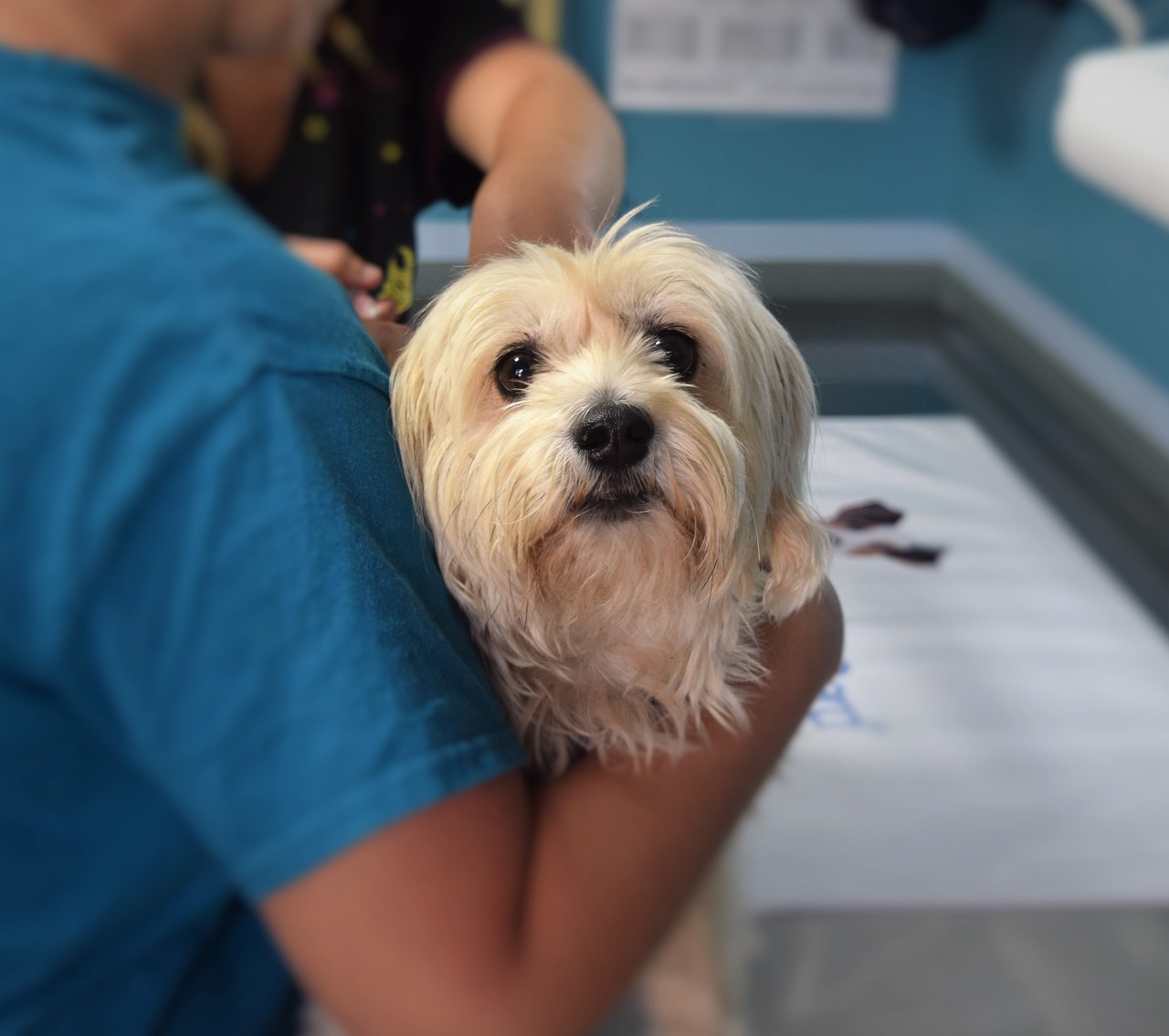
Photo Credit: jaminriverside via Pixabay
Phase 5: Report and raise awareness
File a found pet report with your local animal shelter or animal control agency as soon as possible. This is often where owners search first. Don’t know all of your local shelter organizations? Try Googling the term “animal shelters near [insert city/town name here]” or “animal control near [insert city/town name here]” to see a list. Look for your local SPCA, animal control facility, pound, or Humane Society.
Important: Depending on local laws, if you bring the pet you found with you to the shelter, they might force you to surrender it. Be aware most shelters have a finite stray hold period during which the owner can claim their pet. After this, the pet you found will either be adopted out or euthanized.
At the same time, post a found alert on PawBoost to reach thousands of local pet owners in your area, and share on neighborhood platforms like Craigslist, Nextdoor and local Facebook groups. Put up physical flyers near where you found the animal, including a clear photo, the date and location, and your contact information. Hold back one or two identifying details so you can verify the true owner if someone contacts you.
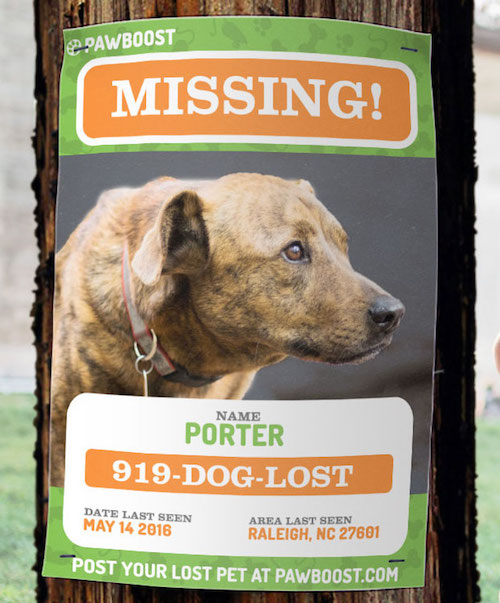
PawBoost creates a free, eye-catching printable flyer (8.5″ x 11″) for you when you report a found pet. If you want an even higher impact sign, follow these tips to learn how to create an eye-catching poster that can be read from inside a speeding car.
Moreover, it is important to also tell neighbours about the pet you found. Most lost pets don’t stray more than a few miles from where they went missing (although some do stray much further). Making your neighbors aware that you found a pet is a surefire way to increase your odds of reuniting the pet with her family. Make sure everyone you speak to has your contact information and knows what the found pet looks like so they can get in touch if they find the owner.
Reuniting The Found Pet With The Rightful Owner
Finding a potential match is exciting, but it is important to take a few precautions before handing the animal over. Unfortunately, not everyone who comes forward is the true owner, and there are nonetheless scammers out there looking to take advantage of a desperate situation.
1. Ask for Proof of Ownership Documents
If someone contacts you claiming to be the owner, ask them to provide documentation before returning the animal. Vet records, adoption papers, breeding documents, or family photos showing the pet are all valid forms of verification. If the person cannot produce any of these, treat the situation with caution before proceeding.
2. Ask for Specific Identifying Markings or Traits (but don’t ask leading questions)
If someone cannot provide documents, ask them to describe something specific about the animal that would not be visible in any photos you may have posted online. Unique markings, behavioral quirks, or physical traits only a true owner would know are good indicators of a legitimate claim. Avoid leading questions like “does she have a white spot on her chest?” and instead let them describe the animal in their own words. If they cannot come up with anything specific and have no documentation, it is likely not the rightful owner.

Photo Credit: Pixabay via Pexels
3. Meet in a public place to make the exchange
Once you are confident the person is the rightful owner, arrange to meet somewhere public rather than at your home. A parking lot, veterinary clinic, or other busy location works well. This simple precaution protects both parties and ensures a safe handoff.

Photo Credit: freestocks.org via Pexels
A Note on Emotional Attachment
It is completely natural to grow attached to an animal you have been caring for, sometimes even over just a few days. If that happens, remember that returning a pet to their family is one of the most meaningful things you can do. The relief and gratitude of a family reunited with their pet makes every effort worthwhile.
Comments are closed.