
View Lost Cats Near Saint Albans, VIC

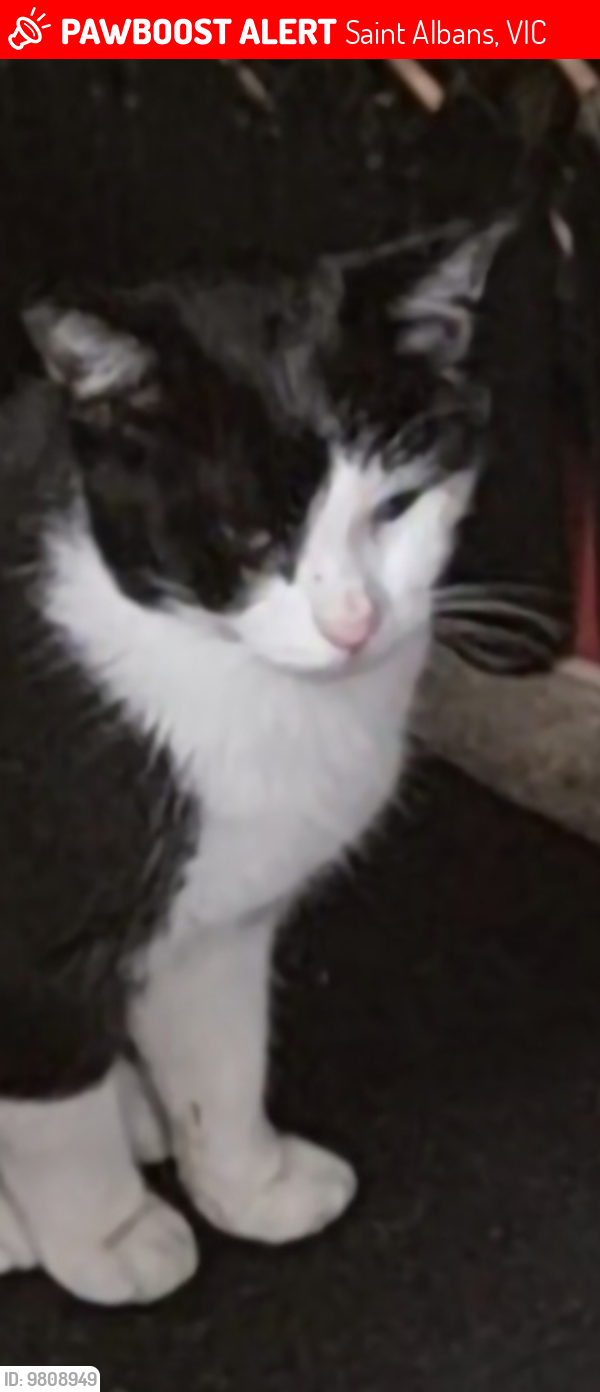
James Dean is Missing in Saint Albans, VIC

Share on

Status

LOST

Date Last Seen

November 23, 2023

Location Last Seen

Saint Albans, VIC 3021

Nearest Landmark

Right eye partially closed. Has aunique light colour fur right under his jaw.

Name

James Dean

Sex

Male

PawBoost ID

69808949

Microchip #

956000016699678

Species

Cat

Description

Black and white short hair domestic.

Message from Owner

Any help is appreciated. He never strays so i am very concerned for his safety. I am extremely worried. 🙏

Comments on this Facebook alert

Sarah F.
3 years ago
Put up flyers everywhere and doorknock
Reply
Annie F.
3 years ago
Thank you all so much 🙏
Reply
Sarah F.
3 years ago
Shared
Reply
Debbie M.
3 years ago
I saw this post on how to find a lost cat, it seems to have worked for a lot of people so might be worth a shot; Early morning walk technique: There is a technique we call the 3am walk that has worked for a lot of people reunited with their pets. Displaced or scared cats will often remain in hiding and completely silent for most of the day and night. Even if it is close by and can hear you, it is unlikely your cat will respond. Because of this, the best time to head outside and call her/him is between 3-4am. It can vary between 2-6 am, whenever your area is most quiet. It may take a few nights of trying this method too. Most recently, a good number of people have found their cats just from doing a 3am walk and call. Your cat is most likely to respond and leave its hiding spot around this small window of quiet time. It only takes a couple of fence jumps to land streets away, so do your best to cover as many streets as you can. Hopefully your cat is only a house or two away from where it escaped. Tap a can calling your cats name or shacking the dry food bag/box calling their name and saying what you usually say to call them to dinner or breakfast time. Leaflets and knocking on doors: Its also a good idea to ask neighbours if you can check their yards, sheds, garages and roof spaces. If you can give them a printed leaflet with a picture of your lost cat and your phone number. Leave these at shops etc too. Leaving the Kitty tray outside: Some suggest to leave it out to attract your cat back home with the scent. Which may work, but it's important to understand that the kitty tray may attract other cats, especially Tom Cats that will see this as a threat to his territory. The kitty tray method is designed to try and give the lost cat a scent he/she is familiar with to come back home. So if you suspect strays are around, be careful you're not making it harder for yours to get home safely. If you want to try leaving the litter outside, please note that the tray shouldn't be left out for too long and needs to be watched over. Same with leaving food, bedding and clothing out. Indoor cats: Indoor escape artists usually stick close to home and we often see a great outcome because of this.....Expect your cat to remain in hiding for most of the day and night. Displacement often changes the behaviour of cats. This means a normally vocal cat may keep quiet. Timid cats especially may spend some weeks in hiding before becoming visible. Even then, they are not likely to be seen during daylight. It is also unlikely that your cat will respond to being called during daylight. As a result, many people mistakingly believe their cat is no longer close by. An inside cat won't have gone too far. Start on your own property with a torch (even in the daylight, yes) and look under your house (if it is on stumps/piles) under any decking, under all vehicles, in the wheel arches, under upturned wheelbarrows, piles of iron, roofing tiles, underneath any outbuildings, dog kennel, wood piles, under or behind a garden shed, wheelie bins, inside skip bins, shipping containers, car boots or under the car bonnet. Under all garden shrubbery along driveways and footpaths. And then do the same with your near neighbours. Don't ask your neighbours to look, 'cos they probably won't. Ask them if you can look in their yards. Don't forget over the back fence too. Take your cat carrier with you, so when you find puss, pop straight into the carriewr, so he doesn't squirm out of your arms when carrying home. Don't forget to look up as well. If chased up a tree or on to a roof. Best of luck.
Reply
Kay T.
3 years ago
Shared.
Reply
Claire A.
3 years ago
Early morning walk technique: There is a technique we call the 3am walk that has worked for a lot of people who have found their pets. Displaced or scared cats will often remain in hiding and completely silent for most of the day and night. Even if it is close by and can hear you, it is unlikely your cat will respond. Because of this, the best time to head outside and call her/him is between 3-4am. It can vary between 2-6 am, whenever your area is most quiet. It may take a few nights of trying this method too. Most recently, a good number of people have found their cats just from doing a 3am walk and call. Your cat is most likely to respond and leave its hiding spot around this small window of quiet time. It only takes a couple of fence jumps to land streets away, so do your best to cover as many streets as you can. Hopefully your cat is only a house or two away from where it escaped. Tap a can calling your cats name or shacking the dry food bag/box calling their name and saying what you usually say to call them to dinner or breakfast time. Take a torch it is easier to see cats eyes shining out from the dark with a torch. Take a cat carrier for when you find your cat you can securely get them home. Leaflets and knocking on doors: Its also a good idea to ask neighbours if you can check their yards, sheds, garages and roof spaces. If you can give them a printed leaflet with a picture of your lost cat and your phone number. Leave these at shops etc too. Leaving the Kitty tray outside: Some suggest to leave it out to attract your cat back home with the scent. Which may work, but it's important to understand that the kitty tray may attract other cats, especially Tom Cats that will see this as a threat to his territory. The kitty tray method is designed to try and give the lost cat a scent he/she is familiar with to come back home. So if you suspect strays are around, be careful you're not making it harder for yours to get home safely. If you want to try leaving the litter outside, please note that the tray shouldn't be left out for too long and needs to be watched over. Same with leaving food, bedding and clothing out. Indoor cats: Indoor escape artists usually stick close to home and we often see a great outcome because of this.....Expect your cat to remain in hiding for most of the day and night. Displacement often changes the behaviour of cats. This means a normally vocal cat may keep quiet. Timid cats especially may spend some weeks in hiding before becoming visible. Even then, they are not likely to be seen during daylight. It is also unlikely that your cat will respond to being called during daylight. As a result, many people mistakingly believe their cat is no longer close by. An inside cat won't have gone too far. Start on your own property with a torch (even in the daylight, yes) and look under your house (if it is on stumps/piles) under any decking, under all vehicles, in the wheel arches, under upturned wheelbarrows, piles of iron, roofing tiles, underneath any outbuildings, dog kennel, wood piles, under or behind a garden shed, wheelie bins, inside skip bins, shipping containers, car boots or under the car bonnet. Under all garden shrubbery along driveways and footpaths. And then do the same with your near neighbours. Don't ask your neighbours to look, 'cos they probably won't. Ask them if you can look in their yards. Don't forget over the back fence too. Take your cat carrier with you, so when you find puss, pop straight into the carrier, so he doesn't squirm out of your arms when carrying home. Don't forget to look up as well. If chased up a tree or on to a roof. Microchip: Check the microchip contact details are current. You can do this via your vet or online/over the phone with the registry. If you are unsure which registry you are with use the website petaddress.com.au enter the microchip number and it will tell you. Hope this helps. 😻
Reply
Mario P.
3 years ago
I'm really sorry to hear about your lost pet! If you need a professional tracking service, I recommend checking out (@barktracker_inc) on instàgràm. They are known for their efficient and effective tracking services, and they can usually find missing pets within hours. Their tracking ss are legendary, so don't hesitate to reach out if you need help!.
Reply
Cheryle J.
3 years ago
Shared
Reply
Val W.
3 years ago
Shared 3943
Reply
Zinny P.
3 years ago
Oh no! I will keep an eye out for your pet. Please check with the local shelters in our area. Try putting up posters in the area he was lost... don't forget to files a missing animals report send a message to them " Satellitesensingforlostpets" on Instàgrm gram they are expert in finding missing/stolen pet. they found mine in less than a two days I texted, give them a try hopefully they help you get yours back. the sooner the better...
Reply

Help this alert reach more local people Help more people see this pet

Share this Facebook post with nearby friends, neighborhood groups, or anyone who may recognize James Dean. The more people share and engage with it, the more Facebook will show it to others nearby.

Open Facebook PostOpen Post
Post link https://www.facebook.com/LostPetsMelbourneVIC/posts/734128475415775
Pawboost White Dog Hero

JOIN THE

RESCUE

SQUAD

The Rescue Squad™ is a group of 7,648,718 pet lovers who have signed up for local lost & found pet alerts.

Join The Rescue Squad™

Contact Owner