
View Reunited Dogs Near Elk, WA

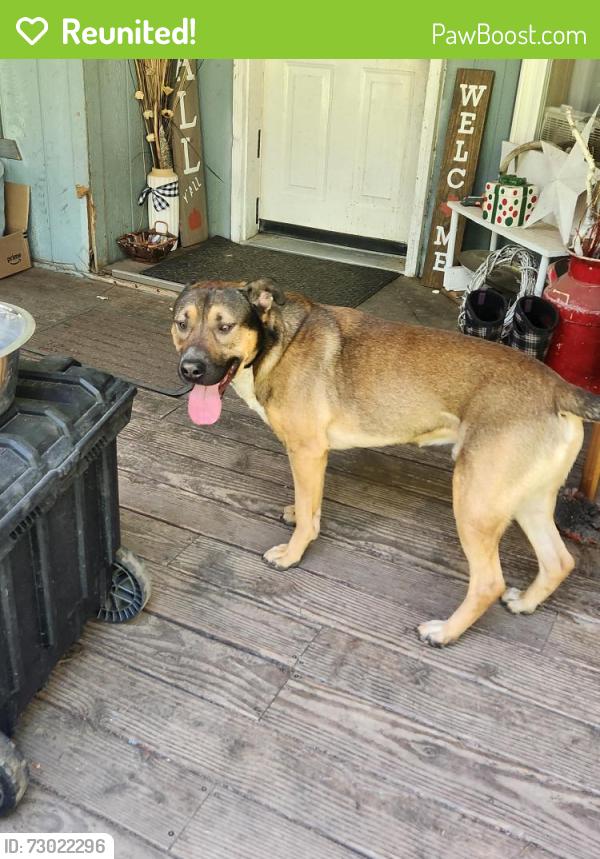
Reunited Dog in Elk, WA 99009

Share on

Status

REUNITED - reunited after 13 days, 10 hours

Date Last Seen

June 15, 2026

Name

Sig

Sex

Male

PawBoost ID

73022296

Species

Dog

Description

Brown and black green collar

Facebook Community Response

Tamara R.
2 weeks ago
Sending love and prayers for this big beautiful boy, Sig to be reunited with his loving family very soon 🙏🏻💕🐕💕🙏🏻
Reply
Tubberson T.
2 weeks ago
Copied: Helping animals isn’t just about charity. It’s about compassion, empathy, and recognizing that every living creature shares this planet with us. They experience fear, pain, joy, and love just as we do. When people choose to care for them, they’re not only improving an animal’s life but also making the world a kinder place for all. The beauty of it is that you don’t have to be rich, famous, or an expert to help. Sometimes, it’s as simple as giving fresh water to a thirsty stray, driving a lost pet to safety, or supporting local rescue groups. In a world where animals often face neglect, abuse, and abandonment, those who help them are true everyday heroes. May we all be inspired to lend a hand and create a future where compassion for animals is the norm, not the exception. 🐾❤️ You might like animals more than humans because they offer uncomplicated, unconditional love and companionship without judgment, expectations, or the complexities of human social dynamics, which can be appealing after negative experiences with people. People may also feel a strong protective instinct toward animals due to their perceived innocence and vulnerability, tapping into innate desires to care for the helpless. This preference is a normal and valid emotional response for many, even if the bonds with animals differ from human ones. Here are some key reasons people might feel this way: Unconditional Love and Acceptance: Animals often provide affection without judgment, criticism, or demands, making them very comforting companions. Simplicity and Lack of Expectations: Animals don't have complex social needs or hidden agendas; they are straightforward and predictable, offering a simpler form of connection than human relationships. Protection and Innocence: Many people feel an instinct to protect animals because they are seen as innocent, vulnerable, and often helpless, similar to a child. Past Negative Experiences: Previous hurt or poor treatment from other humans can lead people to prefer the company of animals, who are less likely to intentionally cause pain. Relaxing Presence: The act of interacting with animals can be soothing and grounding, with studies showing people may subconsciously match their heartbeats and breathing to animals. Emotional Connection without Complex Communication: While humans can be challenging to understand, some people feel they can more easily connect with and understand animals, especially through their body language and tone of voice. Appreciation for Nature: For some, a preference for animals stems from a deeper appreciation for the natural world and a desire to align with living beings in balance with their environment.💚💚💚💚💚💚💚💚💚💚💚💚💚💚💚💚
Reply
Virginia M.
2 weeks ago
Prayers someone is looking for their baby
Reply
Bobbie B.
2 weeks ago
It’s every pet parent’s nightmare: Your dog or cat has gotten loose and you don’t know where he or she is. Don’t panic—there are steps you can take to locate your pet. Swift action, coupled with major neighborhood networking, will increase the odds of having your furry friend back in your arms. The key is to get the word out to as many people in as many places as possible, so don’t be shy about enlisting the help of your friends and family in the search efforts. Remember, identification can be a lifesaver for a lost pet. It’s a good idea for all your animal companions—even indoor-only pets—to always wear a collar with an ID tag that includes your name, current phone number and any relevant contact information. If you’ve chosen to microchip your pet as a means of permanent identification, keep in mind that microchips are only as good as the information provided to the chip’s company. If you’ve moved or changed your phone number since registering your pet’s chip, be sure to submit an update as soon as possible. July 1 is National ID Your Pet Day, which serves as an annual check-in to make sure your pets’ identification information is up to date. If your pet does go missing, below are actions you can take to begin the search process. Search Your Home and Alert Neighbors As soon as you notice your pet is missing, talk to your family members or housemates and ask where they last saw your pet. Search your home carefully—under beds, in closets, dark places, small places, behind bulky furniture—in case your pet may be hiding or sleeping somewhere. Shaking a food dish, treat jar or favorite toy will sometimes lure animals out of a hiding place. If you are sure your pet is not in or around the home, take a slow ride or walk around your neighborhood. Bring along a recent photo of your pet and ask neighbors if they’ve seen him or her. Check under porches and shrubs, and ask neighbors to check in sheds and garages in case your pet was accidently locked in. Work the Phones Calls should be made to the local animal control agencies, veterinary hospitals, shelters (both municipal and private) and rescue groups in your area. One of them may already have your pet in custody. Check in with shelters daily—and pay these visits in person with photos of your pet to distribute to shelter staff. If there are no shelters close to your home, contact the police. Tell Your Social Media Networks Send an email about your lost pet to local friends, colleagues and family members and ask them to pass on the information to anyone they can. Then, be sure to share the news with your social media networks. Most communities have local “Lost Pet” Facebook pages where they will post information about missing pets. Reach out to those page administrators and see if they will share information about your pet. You can create your own Facebook page or digital card for your lost pet and share it across your social networks—and ask friends and family to spread the word to their contacts. Create a “Lost Pet” Flyer You’ll want to create a flyer that will stand out and get noticed by people who may have seen your pet. Repeated viewings of a consistent message are more likely to stick in people’s minds, so we recommend sticking with one design for your flyer. Start with a big, bold headline that people can read from a distance, like “LOST DOG” or “MISSING CAT.” Include a clearly printed, recent photo of your pet and list the breed, , coloring, age, weight, any distinguishing features and when and where he or she was last seen. Provide your name and two phone numbers: yours and a friend or family members in case you cannot be reached. Blanket the Neighborhood Good places to post your flyers include dog parks and runs, pet supply stores, pet grooming shops and veterinary offices. Various commercial establishments like grocery and convenience stores, gas stations, laundromats, bars, cafes and restaurants are other good high-traffic options. Cover lampposts and trees near where you think your pet was lost, and around busy commercial and pedestrian sections of town. Put up flyers around schools or at kids’-eye level. Children can be more observant than adults, especially when it comes to animals. Don’t Give Up! This one is important! Remember that many lost animals have found their way back home. Where to Report Found Animals If you’ve found a lost pet or stray animal in your area, contact your local shelter for guidance on the best steps to take. For those located in New York City, you can find more information on how to report a stray animal on NYC311. Residents of Los Angeles can reference the LA Animal Services website. When coming across stray kittens outdoors, be sure to review the ASPCA’s online resource about the best course of action to take to avoid unintentionally orphaning kittens who are being cared for by their mother.
Reply

More Lost & Found Pets Near Elk, WA

More Lost Pets in Your Area
Pawboost White Dog Hero

JOIN THE

RESCUE

SQUAD

The Rescue Squad™ is a group of 7,620,719 pet lovers who have signed up for local lost & found pet alerts.

Join The Rescue Squad™

Contact Owner