
View Lost Dogs Near Clear Lake, WA

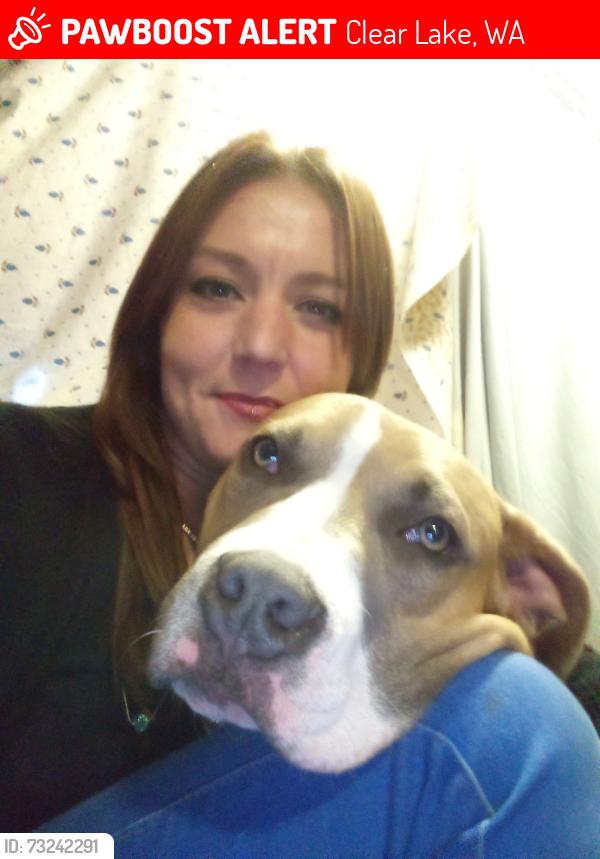
Danger is Missing in Clear Lake, WA

Share on

Status

LOST

Date Last Seen

August 8, 2026

Location Last Seen

Clear Lake, WA 98235

Nearest Landmark

By boat launch

Name

Danger

Sex

Male

PawBoost ID

73242291

Species

Dog

Description

He has tan fur a little white tip on his tail and chest

Message from Owner

Please I want my dog he wasn't wearing a collar

Comments on this Facebook alert

Rick F.
2 weeks ago
Looks like a pity poo
Reply
Jody I.
2 weeks ago
Susan Tankersley looks like him
Reply
Cathy J.
2 weeks ago
Hope u r reunited w/ur pup soon🐶
Reply
Vale G.
2 weeks ago
Susan Tankersley I saw the same post ! Hopefully that is DangeršŸ©·šŸ«¶šŸ»
Reply
Nancy W.
2 weeks ago
Any updates. Was the dog pictured above in the comments your dog
Reply
Sheri C.
2 weeks ago
Shared..
Reply
Sheri C.
2 weeks ago
Oh what a sweet heart... I hope Danger is found soon 🐾
Reply
Shanna C.
2 weeks ago
For his people: I hope your pup is safe and back with you soon. ā¤ļø Here are some potentially helpful tips—please forgive me if you’ve already tried some or if anything doesn’t apply to your situation. I’m sharing as many ideas as possible because sometimes one small thing can make all the difference. šŸ• General Tips for Any Lost Dog Avoid calling loudly, chasing, or approaching a frightened dog, especially if your dog is shy, newly adopted, or easily spooked. Lost dogs can enter ā€œsurvival modeā€ and may hide or run—even from their favorite humans. For shy or frightened dogs, avoid large search parties or repeatedly approaching the area. Keep the last-known location as calm as possible and let sightings help guide your search. Create a scent station at the last-known location using your unwashed clothing, your dog’s bedding, or other familiar-smelling items. This gives your pup a familiar scent associated with home and safety. If safe to do so, leave a door or gate available for your dog to return through, especially if they were lost close to home. Monitor the area rather than leaving an opening unattended. Set up a feeding station in a quiet, safe location where your dog has been seen or is likely to travel. Use food your dog finds especially tempting. If possible, use a motion-activated wildlife/security camera to monitor the feeding station or last-known location. This can help determine whether your dog is visiting, what time they are coming, and whether other animals are taking the food. Use food strategically rather than leaving large amounts unattended. If wildlife or other animals are a problem, a camera can help you determine what is visiting the feeding station. Post on local lost-and-found pet pages, Nextdoor, neighborhood apps, Facebook groups, and other local community pages. Put up clear flyers with a recent photo, your contact information, and the last-known location. Ask neighbors to check their properties, including garages, sheds, crawlspaces, fenced areas, under decks, and other places where a dog could become trapped or frightened. Contact local shelters, humane societies, animal control, rescues, and veterinary clinics. File a lost-pet report and check back regularly. If possible, visit shelters in person because descriptions and identification can sometimes be imperfect. If your dog is microchipped, report them as missing to the microchip company and make sure your contact information is current. šŸ‘€ If You See Your Dog This is especially important if your dog is frightened or has been running from people: Do not chase, run toward, or try to grab your dog. Even a normally friendly dog may bolt when frightened. Avoid staring directly at them or repeatedly calling their name. Turn slightly sideways, stay calm, and keep your movements slow. If it is safe, sit or crouch down and allow your dog to approach you rather than approaching them. You can gently toss high-value treats or food nearby without moving toward the dog. If your dog doesn't approach, don't chase them. Note the exact location, time, and direction they traveled and report the sighting to anyone helping with the search. If possible, keep eyes on the area from a safe distance without pursuing the dog. A camera or feeding station may help establish a predictable pattern. šŸ  If Lost Close to Home Keep your home and surrounding area calm and quiet. Your dog may return when things settle down. Use familiar sounds at normal volumes, such as jingling keys, opening the treat bag, or other sounds your dog associates with you. Avoid shouting or repeatedly calling. Keep a scent station near home or the last-known location. Ask nearby neighbors to check garages, sheds, crawlspaces, fenced yards, under decks, and other hiding or trapping places. If you have sightings, try to determine whether your dog is staying within a particular area rather than immediately assuming they have traveled far. šŸ“ If Lost Away From Home Return to and ā€œanchorā€ the last-known location when it is safe and permitted. Keep familiar scent items there and make the area a calm, consistent point of reference. Avoid repeatedly moving around the area or pursuing sightings, particularly with a shy or frightened dog. Too much activity can cause them to move again. If possible, have one calm, familiar person remain near the area from a distance rather than having many people searching at once. Use sightings, feeding stations, and trail cameras to learn your dog’s movements before changing your strategy. Be patient. A frightened dog may take hours, days, or sometimes longer to settle into a predictable pattern. 🪤 If Your Dog Is Returning to One Area If your dog is consistently visiting a feeding station or another location but will not approach people, consider contacting a local rescue, shelter, or experienced lost-dog recovery volunteer for help. A humane trap may sometimes be appropriate, but it is best to get guidance on the correct size, placement, bait, monitoring, and weather protection before using one. Never leave a trapped dog exposed to extreme heat, cold, rain, or direct sun, and make sure the trap can be monitored appropriately. šŸ’› Please Don't Give Up Hope Many lost dogs are found days or even weeks later. A frightened dog may be hiding, moving mostly when it is quiet, or slowly developing a predictable routine. Keep sharing sightings, checking shelters, talking with neighbors, maintaining your scent/feeding station when appropriate, and using cameras when possible. I hope your pup finds their way safely home soon. šŸ’›šŸ¾
Reply

Help this alert reach more local people Help more people see this pet

Share this Facebook post with nearby friends, neighborhood groups, or anyone who may recognize Danger. The more people share and engage with it, the more Facebook will show it to others nearby.

Open Facebook PostOpen Post
Post link https://www.facebook.com/LostPetsSkagitCountyWA/posts/1649361810528434
Pawboost White Dog Hero

JOIN THE

RESCUE

SQUAD

The Rescue Squadā„¢ is a group of 7,662,434 pet lovers who have signed up for local lost & found pet alerts.

Join The Rescue Squadā„¢

Contact Owner