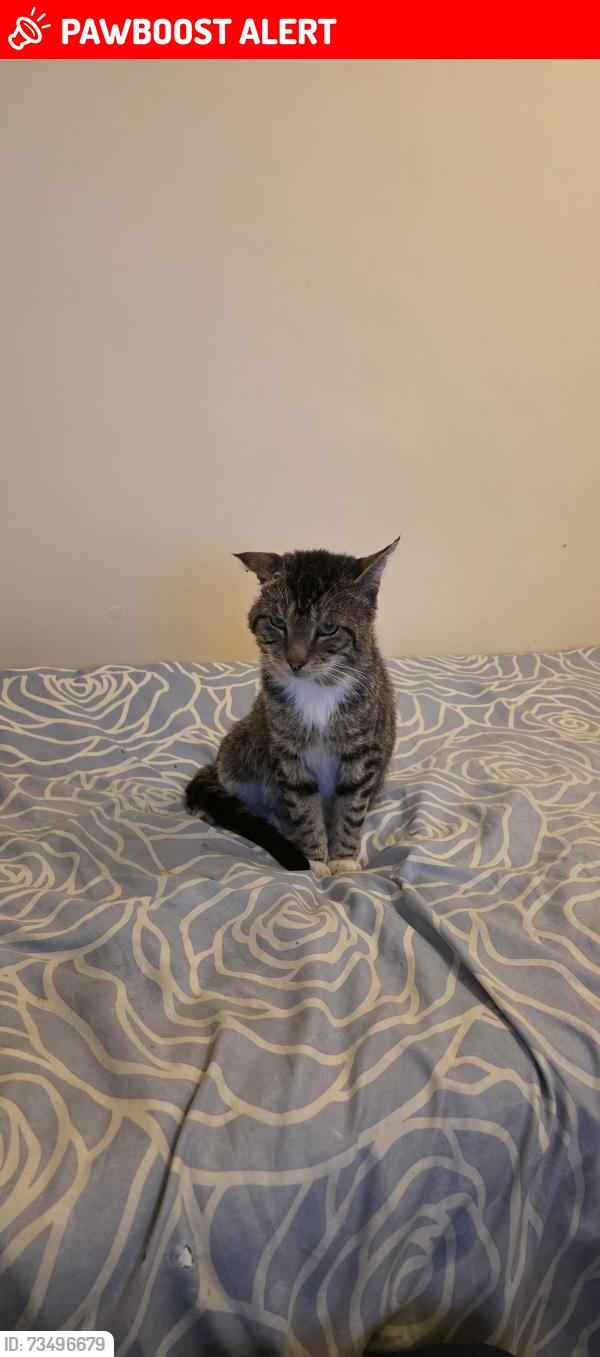

View Lost Cats Near Darlaston, England WS10

Tigger is Missing in Darlaston, England

Share on

Status

LOST

Date Last Seen

October 1, 2026

Location Last Seen

Darlaston, England WS10 8UF

Nearest Landmark

Near Wolverhampton Street

Name

Tigger

Sex

Male

PawBoost ID

73496679

Species

Cat

Message from Owner

N/A

Comments on this Facebook alert

Verity L.
3 days ago
Here’s some lost cat advice, some of which may be helpful: First, check your home, garden, and immediate vicinity THOROUGHLY. Cats seldom stray far, but can easily get shut in sheds, garages, cars, greenhouses and even attics and crawl spaces! Kittens will squeeze into the smallest of spaces and fall asleep. Check any water-butts, ponds, under bushes and decking, using a long stick and a torch if necessary. Check all the surrounding streets, again under bushes and undergrowth. If there are fields/woods nearby, thoroughly search these too. Check any empty houses as cats can get through the smallest of spaces, or shut in via “in-only” catflaps. Knock on your neighbours doors up to 2 streets away and ask them to check sheds/garages/outhouses WHILE YOU WAIT. Do not be shy, offer to wait while they check, or to check yourself with their supervision. Ask neighbours to prop open these doors so if your cat is hiding s/he can come out later. If your cat recognises the smell of home, hang dirty washing on your line, put smelly trainers in your garden with any cat bedding (undercover so that it doesn’t get wet). Anything that smells familiar will help guide your cat home if s/he has lost their scent. Put up posters (in plastic) as soon as possible. Not everybody is on social media. Include a clear photo or 2. If there are any distinctive physical conditions or characteristics about your cat, feature them prominently in any fliers / online posts. Put posters up further than you would think. Local shops, post office, pub, library, local primary schools (small children are incredibly observant), bus stops and rail stations. Stick one in the back window of your car. Speak to postman and dogwalkers to ask them to TELL you if they see your cat. Print off enough fliers to put them through all neighbour’s letterboxes. Go out looking at night, when it is quiet and there is less traffic. Work your way back towards home as you call them, so not to inadvertently lead them further away from home. Take a powerful torch and search under hedges, in little gaps, anywhere a cat can squeeze to hide. Also look high - trees, garage roofs, etc. Cats can go high when threatened or frightened. The torch light will reflect in their eyes making it easy for you to see them. If possible, make sure there is a way for your cat to get back in the house even if you are asleep (eg, wedge open the catflap). KEEP doing all these things as scared cats in survival mode may not respond to their owner at first. If your cat is microchipped (all cats should be by law), contact the chip company to ensure they have your correct details, especially your phone no. Don’t wait for them to come to you. Alert the chip company that he's missing, put him on animal search any missing pet register as both are free. Call local vets to see if your cat has been brought in injured. KEEP DOING THIS, as you may not speak to the same person every time, plus your cat may have been brought in after you phoned. Ask vets to display a poster of your missing cat. Even if your cat is chipped, not all vets routinely scan for a chip! Chips can also fail or migrate to anywhere in your cat. Call Cats Protection / RSPCA and any rescues in the area that your cat might be brought in to, and give them a description too. Not all rescue centres routinely scan a cat for a chip. Again, KEEP DOING THIS at weekly intervals. On Facebook set your post to “Public” and tag yourself in your cat’s photo so you can follow up any leads from subsequent shares. It is ESSENTIAL to include a clear photo, colour/breed/distinguishing features, where s/he has gone missing from (down to specific road/postcode) and when/where your cat was last seen. Say if your cat is chipped and neutered or not (more advice on unneutered cats below). Ask people to share on all social media. Share your cat to any local lost & found pages, community pages, national lost cat pages, local cat rescue groups and local vet pages. Always include your contact number. Ask everyone to share. If you are not on social media, ask a family member or friendly neighbour to do this for you. Check the Found posts on local Facebook groups and Nextdoor.co.uk. See if the local paper runs free Lost & Found Pets ads. Again, not everybody is online. Follow up every lead you get until you have absolutely discounted 100% that this is your cat. Remember that people can be unobservant and may identify the cat’s gender or colour incorrectly. IF YOUR CAT IS AN INDOOR CAT OR KITTEN, OR HAS ESCAPED WHILE AWAY FROM HOME (DISPLACED)�An escaped cat or kitten will behave very differently from an outdoor cat in its own territory. Your cat will be disoriented and for the first 3 days it will likely stay within a 5 house radius. They tend to run out and very quickly become afraid and freeze (the exception would be an unneutered cat who could be chased away fighting or mating). These first 3 days it is vital to follow this advice. Often advice from lost and found is to put out their used litter tray. PLEASE IGNORE THIS ADVICE. Now your cat is out of their territory and in other cats’ territory, s/he will likely be afraid and hiding very close. By putting out litter with their pheromones in, you are alerting other cats (maybe feral, aggressive un-neutered males, or dominant cats) to your cat’s presence on their turf. They will automatically react with prepared aggression to see it off. This is the last thing your hiding cat needs. Instead use your own scent or the scent of the home as per the above. When searching, it is possible that your voice will be full of anxiety and your cat will not recognise it. You could be stood right near your frightened cat and they may not respond due to fear. Instead, walk round making phone calls or chat with a friend while searching. This normalises your voice to one your cat will recognise. Listen carefully for faint meows all the time. The most important advice for an escaped house cat/kitten is this: in the evening and through the night, leave a door open (where possible). Keep the entrance as quiet and dark as possible. Make their path home the least frightening as you can. Only when they are in the home and familiar with the surroundings again will they relax. The majority of missing indoor cats make their way home in the early hours of the morning when they feel it is safest. Likewise for a displaced cat, do not be surprised if s/he comes close by but will still not come right to you. This is fear and nothing personal. Try to have the loan of a trap from Cats Protection / a local rescue, but please NEVER leave a trap unattended. Most of all try to stay calm and follow this advice. WHEN YOUR CAT COMES BACK�Keep them inside for at least a month. If they are not microchipped, it is now a legal requirement, so get them chipped before letting them out again. There are places that will do this for free / cheap so there are no excuses. Put a quick-release collar on them to signal to neighbours that your cat has a home. Cats have an internal GPS which only resets once they are used to their surroundings and feel safe. Having them inside for a month with lots of toys helps them to spread their scent which helps them to reset their GPS to recognise their new home. IF YOUR CAT IS NOT NEUTERED�Get him/her neutered or keep them inside. There are places that will do it for cheap. The life of an unneutered cat (both male and female) left to roam outside is a dangerous one. They will roam further looking for a mate, male cats will fight and be injured by other males over territory. Females can get pregnant from 4 months old and can get pregnant again while already pregnant, or having just given birth. Rescues are overwhelmed with unwanted and unwell stray mums and kittens. Males and females who are mating can contract FIV which is incurable. There are no excuses to let an unneutered cat or kitten roam outdoors.
Reply
Saz H.
3 days ago
Please check garages, garden bushes if neighbours etc YOURSELF. Your cat will most likely respond to you. Leave shed doors etc open for a good time, be patient ok. Take treats and water xxxGo out late at night or early hours of morning when it's quiet and safer for cats to cross roads and come out of hiding. Try to search by thinking of your home as centre of a circle. Go to edge of circle, then start calling, stop, listen hard, repeat slowly all the way back home. Repeat from different points on circle. If your cat hears you they will follow your voice in the right direction. Do same when door knocking. Your cat could be laying low to feel safe.
Reply
Kate F.
3 days ago
Shared
Reply
Jennie W.
4 days ago
❤️🙏🏿💕🤞💕🤞💕🙏🏿❤️
Reply

Help this alert reach more local people Help more people see this pet

Share this Facebook post with nearby friends, neighborhood groups, or anyone who may recognize Tigger. The more people share and engage with it, the more Facebook will show it to others nearby.

Open Facebook PostOpen Post
Post link https://www.facebook.com/LostPetsWolverhamptonENG/posts/1645111467628203
Pawboost White Dog Hero

JOIN THE

RESCUE

SQUAD

The Rescue Squad™ is a group of 7,702,390 pet lovers who have signed up for local lost & found pet alerts.

Join The Rescue Squad™

Contact Owner