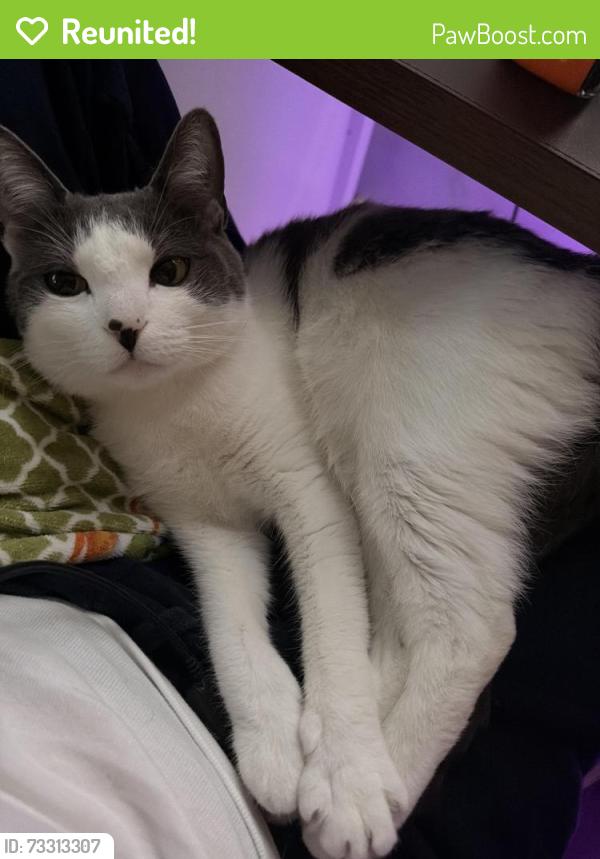

View Reunited Cats Near Albany, NY

Reunited Cat in Albany, NY 12203

Share on

Status

REUNITED - reunited after 3 days, 12 hours

Date Last Seen

August 25, 2026

Name

Caterpillar

Sex

Female

PawBoost ID

73313307

Species

Cat

Description

CAT HAS BEEN FOUND thank you! She came home covered in ticks - I assume she was outside the whole time, roaming through the woods.


Comments on this Facebook alert

Ruth R.
2 weeks ago
Did you post on Steve caparizzo site
Reply
Jo O.
2 weeks ago
Put some unwashed clothing/blankets outside.
Reply
Linda T.
2 weeks ago
https://youtu.be/lC_-Dqmx2sU?is=qB5KWAS2f6XK45JA
Reply
Linda T.
2 weeks ago
Post in stiresband tye Nextdoor neighbothood app. Contact friends or neighbors with Ring doorbells and ask them to post for you on the network
Reply
Linda T.
2 weeks ago
Comprehensive Guide for Finding a Lost Cat Behavior: Cats go into a fight or flight mode when outside, but usually stay within 200 yards. Your cat will typically hunker down very close to home. If you know where they got out, go 300 - 500 yards in both directions close to there looking for small tight places can hide. Sheds, garages, wood piles under decks, small holes, storm drains. Utilize Video doorbells yours and neighbors baby video monitors and trail cameras to see when your pet is coming home. They may or may not recognize their name or your face. They WILL recognize, in most cases, sounds or smells: the sound of a food can opening, favorite toy, etc. Take a moment and think of all the sounds that perk up their ears and make them come running to you. Record them on your smart phone and play them when tracking. Indoor cats lost outside become active in the evening usually around 7pm-5am. The best times for you to actively search is between 11pm – 2am. If it is safe to do so, leave a door or window slightly open at night put food and water near the door, also place a video monitor near. Again only if it is safe for you to do this. NOTE - Get permission from your neighbors to look around their yards. Flyers: Posting flyers and posters can pose a problem for some communities please find out the laws in your area before posting. Putting flyers on or in mailboxes is also illegal. Your flyer should be color and as accurate to the actual colors and description of your cat. Place your flyer in plastic coverings and hang them with bright colored duct tape to catch the eye of people walking by. Post flyers everyplace you can within a mile of where your pet went missing. Place flyers at bus stops, dog walking paths, and any business that will let you in the area. Do not give your address or amount of reward; this will protect you a bit from scammers. Never give/send money without seeing your pet. Also leave a flyer with your Mailman, UPS, FedEx, Amazon and any other delivery drivers. Bus Drivers, Ice Cream trucks, local patrol cops, fire stations. Garbage and recycling guys too. Use Social Media is imperative; many lost and found groups have members who just match missing pets with found pets in trying to reunite families. Post on FB missing pets in your area and Pawboost for just 2 examples. File missing pet reports with all the animal control agencies in your area. Investigate if there are local Trap and Release and feeding groups in your area who may be willing to help. As well as reputable dog tracking teams. Check with shelters and vets as far away as 20 miles daily in person if you can. Sometimes the person finding your pet may live further away than your city. Feeding stations: This will help draw in your cat and verify that your cat is in the location. This is a large piece of cardboard with a thick layer of flour placed on top. In the center of the flour place food. Lay down feeding stations in several places to get your pet on a repeating path and keep them in the area. Check the stations often and look for foot prints and signs that the food has been eaten. Once you see foot prints in the flour you should have an idea where to trap. Scent Strips: Cut up some scent strips out of your old cloths or bed sheets etc. (one inch by three-inch strips) put them on the ground about 3 feet apart or so. (I wore a shirt for 5 days to make it smell as strong.) The smell on the strip can last 3-5 days. Cat Chum: Mix a gallon of water with 1-2 cans of tuna/sardines. DO NOT place your scent strips in your chum mix. When laying down scent lines it near the opening of the trap and run them in straight lines way from /feeding station/trap/home. Make these lines the safest way to traps or home avoiding roads and heavy pedestrian areas. You can and should use Scent strips and Cat Chum at the same time but keep them at least three or more feet apart when you lay them down. Tracking: Try to have someone with you to keep everyone else from checking out what you are doing and for safety. Take a flashlight (even during the day), look under bushes, decks, any place they could get their head into. They maybe in sheds behind garbage cans, in hollowed out trees and storm drains. Note: Cats have a floating collarbone that allows them to get there body into any space where their head can get through. Check under decks, sheds, in sheds, and garages, in trees and small tight dark places, even if you do not think your cat could get into it. Use a flashlight to shine eyes (this can cause them to just freeze in place) If you hear or see them REMAIN CALM sit down, make the sounds they recognize, call their name open and toss food. Most of all LET THEM COME TO YOU. It may take hours even if you are within10 feet of each other. Trapping: Get humane traps and place them close to the house or tree lines with favorite foods. (Sardines Tuna, or greasy chicken). Place a trap close by hidden under something that smells like home or you. Ask Neighbors to only put out water NOT food. Let your cat find food in the traps. In the trap put down 2 pages of newspaper the width of the trap. Place one page from the back over the trip plate. Place the 2nd page behind the trip plate to the door. This prevents a smart cat from pulling all the food to them easily. This helps hid the fact that it is a trap. Lay small chunks of food and food oil to a larger portion of food at the back behind the trip plate. (No bowls) Cover the trap with tarp or a blanket that smells like home but leave both ends open so the smell of the food gets out. Ensure that the trip plate and door are clear of anything that will prevent the trap from being sprung. This is very important if you do not use the newspaper on the floor of the trap. Check the traps at least two times a day. Also if possible, hang dirty laundry out at night, sometimes your cat is able to smell their way home. Place at least one trap near your home, as your cat maybe coming home while you sleep. Use Video monitors and/or trail camera to monitor. Establish a pattern, walk between your traps and home. Do this as often as you can. Get your scent into the air. This helps keep your pet in the area and increases the chances of getting your pet into a trap. Avoid crossing roads, train tracks and dangerous areas. Making Cat Shelter: Get/use a small cat carrier that is just big enough for your cat. Place a blanket that smells like you outside and straw inside. Place the carrier under cover somewhere tight and dark if possible. Leave the door open. Place food and water a favorite toy just inside the door. When approaching the shelter do it slowly and from the front. If your cat is there sit down and let them come to you. Do not make sudden movements, let them build trust. Turn your body and lower your head look as non-threatening as possible. Toss treats to the side of you and NEVER CHASE OR YELL at them. Litter (last resort): Put the UNCLEANED litterbox outside. For Multi-cat homes take the litter, bag it, then place the litter out further away from your strips and chum. NOTE this should be a last resort, as this can draw in Tomcats, Strays, and in some cases Predators that may keep your cat from coming home even hurt your cat. This is a LAST RESORT option and should be monitored with video monitors or trail cameras. If you are seeing danger then pull the box right a way. Your cat is looking for home! Keep that in mind, so draw them to home. Most of all NEVER GIVE UP. People have found their cats even after years of looking. Researched & written by Donna Harman
Reply
Natalia V.
2 weeks ago
Sandra Jillson thank you so much
Reply
Sandra J.
2 weeks ago
Prayers for kitty’s safe return.
Reply
Lynn S.
2 weeks ago
We got our kitty back using a humane trap we bought at Tractor Supply store. Partially cover the trap to help hide it, but make sure there’s still good airflow. Use strong-smelling food like sardines or tuna as bait, and place the trap near an entryway or area your cat is familiar with.
Reply
Susan S.
2 weeks ago
LOST CAT TIPS There have been so many lost cat posts of late in our area. I am sharing these lost cat tips to help as I myself Susan Samantha Cox have been involved with lost cat groups that try to reunite lost pets. Sharing them on my David Cassidy Memorial Legacy Group DCMLG page These are some tips that have been used for cats in the groups I have been with but also tips from other lost animal groups. These are some very valuable tips. If you have a cat I suggest that you save this post. Here are the tips. Use sardines (not olive oil) juice trace up to entrance of house - place sardines inside door and leave door ajar for them to enter. Put something that smells like you, on your porch or lawn. Leave bowls of food out - tuna/sardines, rotisserie chicken. Pour chicken broth up the sidewalk to your front door. SCENT is so important as a tool to find your lost cat!! Do these things right away: • Go out searching after it's dark and quiet. Cats come out of hiding after dark, especially between 2-5 AM. • Bring a bag of treats to shake. Stand in front of your house and call softly. Many times cats will come running. • FLIERS MUST GO UP ASAP TO GET SIGHTINGS. Every pole/tree/neighbors stoops/porches. Offer reward. Give fliers to mailman, UPS drivers, fed ex drivers, etc Local supermarket, dry cleaners, drug store should have a flier. • Report your cat as lost to local humane societies and veterinary clinics and shelters. Go to the shelter etc in person. Do not rely on the shelter as the person on the phone does not know every pet brought in. • Delegate tasks like putting up flyer and posters to friends so that you get them out and up immediately. • Go out and search for your cat. Cats can get stuck in neighbor's sheds and garages and even basements. Look under bushes, in and around sheds, or neighbor's porches with flashlight. A cat's eyes glow so you can spot them. • Don't drive around! If your cat is an indoor only cat, chances are your cat hasn't travelled more than 2-4 blocks away. • Very important to leave a door or window open, no matter what weather, for him to come back in the middle of the night. Use a scratching post or chair in front of the door or window. Put some food nearby . Many cats are scared but will come out after dark and return inside. Most cats return between 2-5 AM. • This is information gathered from various sources and a a study that was done on lost cats: • Cats are very different from dogs when panicked. They are territorial and your cat’s territory was inside of your home. Once a cat is transplanted into unfamiliar territory, fear sets in and it seeks shelter because it is afraid. They panic immediately and look to hide usually near the escape point or within a 5 house radius of their home where they've never been before. Cats that are afraid (and cats that are injured) will seek areas of concealment such as under a deck, under a house, under a porch, or in heavy brush and they will not meow! Panicked cats hide in silence. Silence is their only protective measure from predators. They can stay concealed for days, sometimes weeks! • Just because you don’t see or hear your cat does not mean he or she is not nearby and hiding in fear from the loud noises, etc. Some will not meow! Meowing would give up their location to a predator. Their behavior has nothing to do with whether the cat loves you, whether it recognizes your voice, or whether it can smell you–it has everything to do with the fact that most frightened cats will hide in silence! • This is an interesting behavioral pattern that Missing pet sites have observed with displaced cats. Many of these cats initially hide in silence, but eventually break cover and meow, return to their home or the escape point (window or door), or finally enter a humane trap. While some cats take only hours or a few days to reach their threshold, many others take several days (typically ten to twelve days) before they break cover. We suspect the threshold is reached due to their thirst, although more research needs to be conducted into this behavior. • Some people have tried to sleep out on their porch and their lost cat jumped up on them at 5am to sleep. • In an attempt to capture your cat, use humane traps with sardines in your yard or in your neighbor’s yard where your cat is likely hiding in fear. If you choose not to, place small amounts of cat food (and water) and hopefully you’ll eventually be able to determine where the cat is hiding. • If your cat is microchipped, please call the company to make sure they have your correct info in case someone takes your kitty to be checked and so they can contact you • Also: inquire on the Local Feral Cat rescue FB page it might join a colony and eat with them. Give your location and ask if any group has seen a new cat hanging around. Though ferals will fight him for the food.
Reply
Natalia V.
2 weeks ago
We are the owners
Reply
Pawboost White Dog Hero

JOIN THE

RESCUE

SQUAD

The Rescue Squad™ is a group of 7,673,792 pet lovers who have signed up for local lost & found pet alerts.

Join The Rescue Squad™

Contact Owner