
View Lost Cats Near Hartford, CT

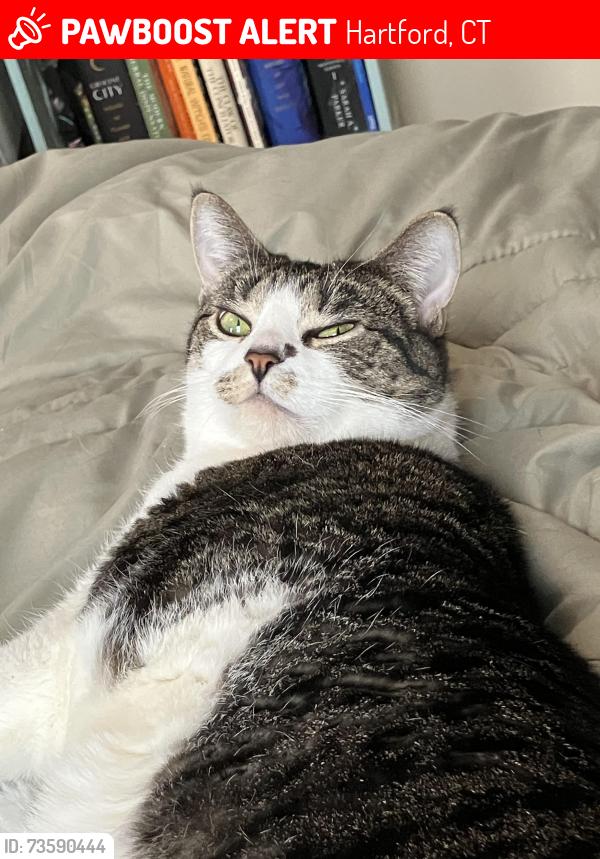
Nova is Missing in Hartford, CT

Share on

Status

LOST

Date Last Seen

November 2, 2026

Location Last Seen

Hartford, CT 06105

Nearest Landmark

Farmington Ave. South Whitney Pizza.

Name

Nova

Sex

Female

PawBoost ID

73590444

Species

Cat

Description

White cat with grey stripes. Has a round black birthmark on her nose.

Message from Owner

N/A

Comments on this Facebook alert

Lost P.
2 days ago
Please check www.lostpetscia.com which has free multiple lost pet postings from PawBoost, Pet FBI, shelters and many others.
Reply
Melinda L.
5 days ago
Prayers for his safe return!
Reply
Jason H.
5 days ago
I Copied and combined advice from lost-cat recovery groups and successful reunions, and thought it might help others in our community: 🐱 Lost Indoor Cat Rescue Tips If your indoor cat has escaped and isn’t familiar with the outdoors, there’s a very good chance he or she is hiding close to home—often in your yard or an immediate neighbor’s yard. When indoor cats get outside, they usually become frightened and make a beeline for the nearest cover. They often hide silently and may stay in the exact same spot for days. 🏡 Start Close to Home Thoroughly check: • Under decks, porches, and crawl spaces • Thick bushes and shrubs • Open sheds, garages, and barns • Wood piles and window wells • Under parked vehicles, wheel wells, and engine compartments Tip: Ask neighbors for permission to thoroughly check their yards and outbuildings yourself. A frightened cat won't usually come out for a stranger. Crack a Window Open If safe to do so, crack open a window or screen door near the ground level (especially in a room your cat frequented). The familiar smell of the inside of their home wafting out into the yard is a powerful beacon that tells a disoriented, hiding cat exactly where safety is. 👃 Use Familiar Scents (The Safe Way) Put outside: • Your cat’s bedding or favorite blanket • Worn clothing (T-shirts, pillowcases) that smells like you Scent Tip: If possible, hang these clothes up high (on a clothesline, deck railing, or low branch) rather than leaving them flat on the ground. This allows the breeze to catch your scent and carry it much further through the neighborhood. • Vacuum dust from your home (it contains familiar scents and fur) ⚠️ Note: Avoid putting out a dirty litter box. While popular advice, the scent can actually attract predators or territorial neighborhood cats, scaring your missing cat away. 🥩 Food and Water • Place smelly food (tuna, sardines, wet food) and a bowl of water outside only while actively monitoring the area during the day. • Do not leave food or water out unattended overnight. It attracts raccoons, skunks, and strays that will terrify your cat and keep them from coming home. 🌙 Search at Night (Crucial!) • Many lost cats only become active after dark when the world gets quiet. • Go out late at night with a strong flashlight. Hold the light at eye level and scan slowly—a cat’s eyes will reflect brightly in the beam. • Sit quietly, call their name calmly, and shake a treat bag. Be patient; a terrified cat might watch you for a long time before making a sound. 🌲 Look Up (Trees) • If a cat is chased or startled, they may sprint straight up a tree and get too terrified to climb back down. • Scan High: Search the branches at night with a flashlight to catch their eye-reflection. They can sit silently 30+ feet up and blend right in. • The Ladder Trick: Securely prop a ladder against the tree trunk and leave it there. It acts as a ramp for them to walk down when it gets quiet. • Who to Call: Fire departments rarely help, but local tree service/arborist companies have the right gear and are usually glad to assist. You can also search CatInATreeRescue.com for a directory of local tree climbers. 📷 Use Tech & Cameras • Direct your Ring, security, or motion-activated trail cameras toward the house exits and where you left the scent items. • Many owners discover their cat is visiting the porch between 2:00 AM and 4:00 AM without them ever knowing it. 🪤 Consider a Humane Trap If your cat has been missing more than a day or two, a humane trap is often the most effective tool. You can buy them at hardware stores or borrow them from local rescues/animal control. • Trap tips: Line the bottom with a familiar-smelling towel (but keep fabric clear of the trip plate). Cover the top and sides with a blanket so it feels like a safe, dark tunnel. Check it frequently. Check the trap frequently—every 30 to 60 minutes if possible, and at least every 2 hours—to keep him safe from extreme weather, distress, or predators, and to quickly release any unintended local wildlife. 🗣️ Get the Word Out • Post on Facebook, Nextdoor, Ring, and local lost pet groups. • Contact local animal control, shelters, rescues, and vets with a photo. • Make neon flyers: Use bright neon poster board. Keep the text massive (e.g., "LOST BLACK CAT" and your phone number) so drivers can read it in 3 seconds. • Ensure your cat’s microchip information is up to date. ❤️ Don’t Give Up Too Soon! Do not assume the worst. Many missing indoor cats are found days, weeks, or even months later because their owners stayed persistent. S/N: Cats and dogs tend to stay close to home. Please have your pets spayed/neutered and microchipped if you haven’t already. It’s the best way to ensure a happy reunion if the unexpected happens!
Reply
Jason H.
5 days ago
More tips : Search Tips for Busy, High-Traffic Areas (Farmington Ave / South Whitney) When an indoor or displaced cat gets lost near a busy commercial street, their behavior and the search strategy need to adapt quickly to the environment. 1. Understand "Hiding in Place" Behavior • The Silent Period: Displaced cats in unfamiliar or noisy areas are almost always terrified. They rarely come when called or meow back; instead, they lock down into strict survival mode (often called "silent mode"). • Immediate Radius: A frightened cat usually doesn't run far right away. They typically look for the absolute closest, darkest, and tightest hiding spot within a 3 house or 50–100 yard radius of where they escaped. 2. Key Hiding Spots to Check Closely In a mixed residential and commercial district, focus heavily on secure, hidden pockets: • Vehicles: Always check under parked cars, inside wheel wells, up into engine compartments, and undercarriage shields before anyone moves a car. • Around Buildings: Look behind and under large commercial AC units, trash/recycling dumpster enclosures, pallets, exterior stairwells, and narrow gaps between brick walls or fences. • Overgrown Landscaping: Thick shrubbery, ivy patches, hedge rows, and window wells right up against foundations. 3. Actionable Steps for the Owner & Searchers • Search During Quiet Hours: The best time to physically search with a flashlight is late at night or very early in the morning (between 11:00 PM and 4:00 AM) when street traffic, pedestrians, and business noise die down. A cat is much more likely to peek out or respond when it's quiet. • Use a Flashlight (Eye Shine): Shine a high-powered flashlight under cars, decks, and dark crevices. Look for glowing cat eyes reflecting back at you. • Set a Safe Trap (If Sighted): If the cat is spotted but too panicked to approach humans, a baited humane drop-trap is often the safest method in a busy area rather than chasing them into traffic. Keep smelly, high-value food (like warmed canned tuna, mackerel, or rotisserie chicken) inside or near a secure station. • Check Traps Frequently and Continuously: • Never leave a humane trap unmonitored for long periods. In a busy public area, trapped cats can panic, hurt themselves, or become vulnerable to weather, stress, or other animals. • Keep visual eyes on the trap from a safe, quiet distance (or use a wireless trap alarm/camera monitor) so the cat can be secured and brought inside the moment they trigger it. • Skip the Litter Box: Avoid putting a used litter box outside, as strong outdoor odors can draw in stray cats, raccoons, or territorial predators that will drive a frightened lost cat even further away. • Fliers & Local Notification: Alert immediate local businesses, especially anyone with outdoor seating or garages (like South Whitney Pizza or nearby shops), asking them to check their security cameras and storage areas.
Reply
Jason H.
5 days ago
I asked Ai for tips : Search Tips for Busy, High-Traffic Areas (Farmington Ave / South Whitney) When an indoor or displaced cat gets lost near a busy commercial street, their behavior and the search strategy need to adapt quickly to the environment. 1. Understand "Hiding in Place" Behavior • The Silent Period: Displaced cats in unfamiliar or noisy areas are almost always terrified. They rarely come when called or meow back; instead, they lock down into strict survival mode (often called "silent mode"). • Immediate Radius: A frightened cat usually doesn't run far right away. They typically look for the absolute closest, darkest, and tightest hiding spot within a 3 house or 50–100 yard radius of where they escaped. 2. Key Hiding Spots to Check Closely In a mixed residential and commercial district, focus heavily on secure, hidden pockets: • Vehicles: Always check under parked cars, inside wheel wells, up into engine compartments, and undercarriage shields before anyone moves a car. • Around Buildings: Look behind and under large commercial AC units, trash/recycling dumpster enclosures, pallets, exterior stairwells, and narrow gaps between brick walls or fences. • Overgrown Landscaping: Thick shrubbery, ivy patches, hedge rows, and window wells right up against foundations. 3. Actionable Steps for the Owner & Searchers • Search During Quiet Hours: The best time to physically search with a flashlight is late at night or very early in the morning (between 11:00 PM and 4:00 AM) when street traffic, pedestrians, and business noise die down. A cat is much more likely to peek out or respond when it's quiet. • Use a Flashlight (Eye Shine): Shine a high-powered flashlight under cars, decks, and dark crevices. Look for glowing cat eyes reflecting back at you. • Set a Safe Trap (If Sighted): If the cat is spotted but too panicked to approach humans, a baited humane drop-trap is often the safest method in a busy area rather than chasing them into traffic. Keep smelly, high-value food (like warmed canned tuna, mackerel, or rotisserie chicken) inside or near a secure station. • Check Traps Frequently and Continuously: • Never leave a humane trap unmonitored for long periods. In a busy public area, trapped cats can panic, hurt themselves, or become vulnerable to weather, stress, or other animals. • Keep visual eyes on the trap from a safe, quiet distance (or use a wireless trap alarm/camera monitor) so the cat can be secured and brought inside the moment they trigger it. • Skip the Litter Box: Avoid putting a used litter box outside, as strong outdoor odors can draw in stray cats, raccoons, or territorial predators that will drive a frightened lost cat even further away. • Fliers & Local Notification: Alert immediate local businesses, especially anyone with outdoor seating or garages (like South Whitney Pizza or nearby shops), asking them to check their security cameras and storage areas.
Reply
Linda M.
5 days ago
Shared
Reply

Help this alert reach more local people Help more people see this pet

Share this Facebook post with nearby friends, neighborhood groups, or anyone who may recognize Nova. The more people share and engage with it, the more Facebook will show it to others nearby.

Open Facebook PostOpen Post
Post link https://www.facebook.com/LostPetsHartfordCT/posts/1151689240722726
Pawboost White Dog Hero

JOIN THE

RESCUE

SQUAD

The Rescue Squad™ is a group of 7,726,266 pet lovers who have signed up for local lost & found pet alerts.

Join The Rescue Squad™

Contact Owner